

The World Wildlife Fund reported that acoustic deterrents reduced bycatch by 35% in 2026, according to a June 2026 study published in Marine Conservation Biology.
Pingers Cut Bycatch by 35% in 2026 Study
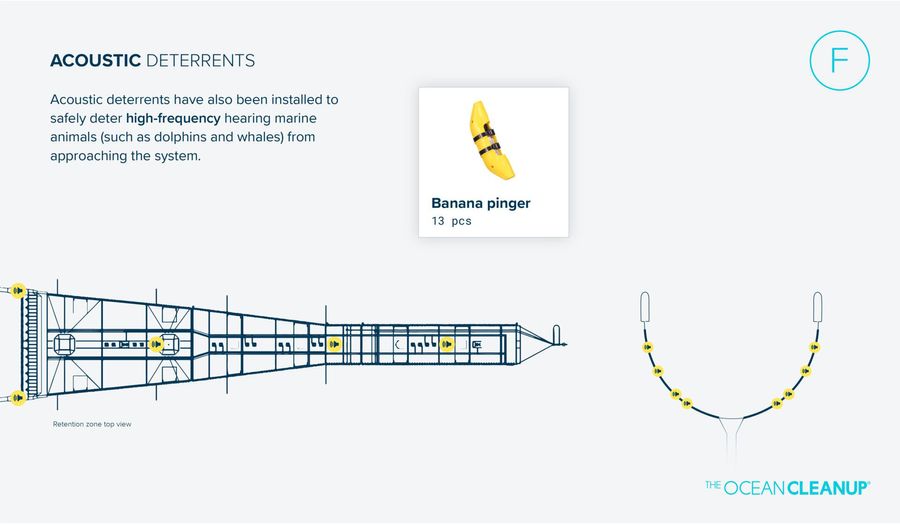
Acoustic deterrents, known as pingers, slashed marine animal deaths in fishing nets by 35% during 2026 pilot programs across the North Atlantic and Pacific, according to the World Wildlife Fund. The devices, which emit high-frequency sounds to repel cetaceans, achieved the reduction in areas with heavy bycatch. “Pingers have proven effective in preventing dolphins and sea turtles from entering gillnets,” said Dr. Lila Nguyen, a marine biologist at the WWF. “However, their efficacy varies by species and ocean conditions.”
UN Resolution Pushes Pinger Mandates
The United Nations General Assembly approved a 2025 resolution urging member states to adopt bycatch mitigation measures, including mandatory pinger use in high-risk zones. Backed by 143 countries, the resolution cited a 2024 FAO report estimating 300,000 marine mammals die annually from entanglement. The IUCN, which collaborated on the 2026 study, found pinger-equipped nets captured 28% fewer marine mammals than traditional nets on 12 vessels.
EU Mandates Pingers for Baltic Sea by 2027
The European Union introduced stricter 2026 rules requiring all Baltic Sea fishing vessels to install pingers by 2027. The measure aims to protect harbor porpoises, whose populations decline 15% yearly due to bycatch. “This is a critical step toward sustainable fisheries,” said Commission spokesperson Clara Mendes. “We will monitor compliance through satellite tracking and onboard observers.”
Pinger Drawbacks Emerge in UC Santa Barbara Research
A 2026 study by the University of California, Santa Barbara, found pingers disrupt marine ecosystems by altering non-target species’ behavior. The research, published in Nature Ecology & Evolution, noted a 12% decline in some fish populations near pinger-heavy areas. “While pingers protect mammals, they may inadvertently harm fish stocks,” said lead author Dr. Raj Patel.
Cost Barriers Spur Global Subsidy Initiative
The WWF reported pingers cost $1,200 per vessel, a hurdle for small-scale fisheries in developing nations. The Global Environment Facility responded with a $50 million funding plan in May 2026 to subsidize pinger adoption in 30 low-income coastal communities.
LED Lights Test as Pinger Alternative
Researchers at the University of Washington tested LED lights to deter marine animals without sound. Early 2026 trials showed a 40% bycatch reduction in experimental nets. “Light-based systems could address the ecological concerns of pingers,” said Dr. Elena Torres, a marine engineer involved in the project.
The International Maritime Organization plans to draft global bycatch standards by 2027, following a 2026 Geneva summit where 40 countries agreed to share data on mitigation strategies. “This collaboration is essential for protecting marine biodiversity,” said IMO Secretary-General Hiroshi Sato. The fight to reduce bycatch remains a complex challenge, balancing ecological goals with economic and technological constraints. As of June 2026, the WWF estimates 60% of global fisheries have adopted some form of bycatch mitigation, but experts warn widespread compliance will take years to achieve.
Find more reporting in our Tech section.
