
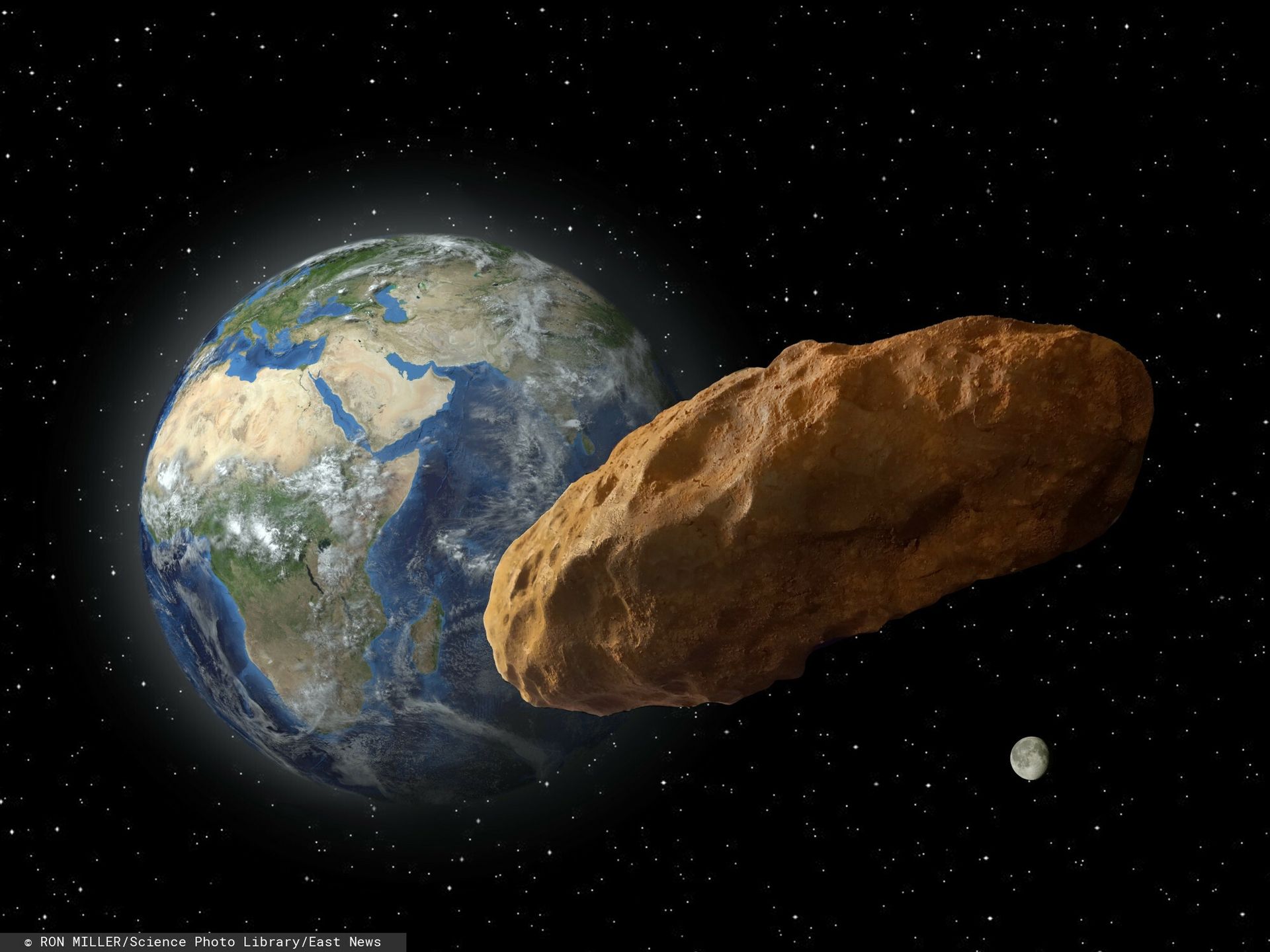
The European Space Agency (ESA) and the Japan Aerospace Exploration Agency (JAXA) have officially strengthened their alliance to safeguard Earth from potential cosmic threats. On May 7, 2026, the two agencies signed a memorandum of cooperation focused on planetary protection, centered around the upcoming Ramses mission to study the asteroid Apophis.
The agreement was formalized at the Italian Embassy in Berlin, with the Italian Space Agency providing additional support. A critical component of the mission’s execution lies with OHB Italia, the Italian firm holding the primary contract for the project.
Targeting Apophis in 2029
The Ramses mission is designed to observe and analyze the asteroid Apophis as it makes a close approach to Earth in 2029. This collaboration represents a significant leap in international space security, moving from theoretical planning to active operational deployment.
This initiative is part of a broader strategic effort in planetary defense. According to the agencies, the primary objectives include the rapid detection of near-Earth objects, precise trajectory analysis and the evaluation of impact risks to develop effective defense strategies. Such efforts are essential for innovation in space surveillance and the long-term protection of the planet.
A Global Commitment to Space Safety
The May 7 agreement is the culmination of a partnership that began to take shape in late 2024. In November of that year, ESA and JAXA first issued a statement announcing their intent to expand cooperation in the field of planetary protection.
Reflecting on the significance of the partnership, ESA Director General Josef Aschbacher stated: “Planetary defense is a global responsibility. Today’s agreement translates declarations into concrete actions and the partner realization of a mission, based on trust, technical competencies, and a shared commitment to protecting our planet.”
By combining the technical expertise of Europe and Japan, the Ramses mission aims to provide critical data on asteroid behavior, reinforcing the global infrastructure required to mitigate the risks posed by potentially hazardous celestial bodies.
Za 3 lata Ziemię minie Apophis. Europa i Japonia przygotowują misję
