

Ukrainian President Volodymyr Zelenskyy sent the White Eagle Order to Polish President Andrzej Duda on June 20, 2026, just hours after Duda revoked the honor from Zelenskyy over Ukraine’s designation of a military unit as “Heroes of the UPA,” a move that sparked diplomatic tensions between the two nations. The dispute centers on the historical legacy of the Ukrainian Insurgent Army (UPA), which Poland views as responsible for wartime massacres of ethnic Poles, while Ukraine sees it as a symbol of resistance.
The Revocation and Its Context
Poland’s decision to strip Zelenskyy of the White Eagle Order, the country’s highest civilian award, followed weeks of escalating rhetoric. On June 19, Duda stated that the “pain threshold” of Polish citizens had been exceeded by Ukraine’s recognition of the UPA, a group that Poland associates with wartime atrocities. “We know what war is, what independence is, and what the Russian threat is,” Duda said, citing Poland’s 20th-century struggles against Soviet and Nazi domination. “But this act crossed a line.”
The move was framed as a response to Zelenskyy’s May 26 decision to honor a special operations unit with the “Heroes of the UPA” title, a designation Ukraine’s government defended as a restoration of historical justice. However, the UPA’s role in the 1943 Volhynia massacres, in which thousands of Poles were killed, remains a sensitive issue in Polish historiography. Duda’s revocation required approval from Prime Minister Donald Tusk, who has remained silent on the matter, though his government has not opposed the action.
According to BBC News, Zelenskyy’s response was immediate: he announced the awarding of the White Eagle Order to Duda, calling it a “symbol of trust” and accusing Poland of “undermining solidarity” in the face of Russian aggression. “We will continue to fight for our freedom, and we will not forget the support of the Polish people,” Zelenskyy wrote on Telegram.
Ukrainian Officials’ Reactions
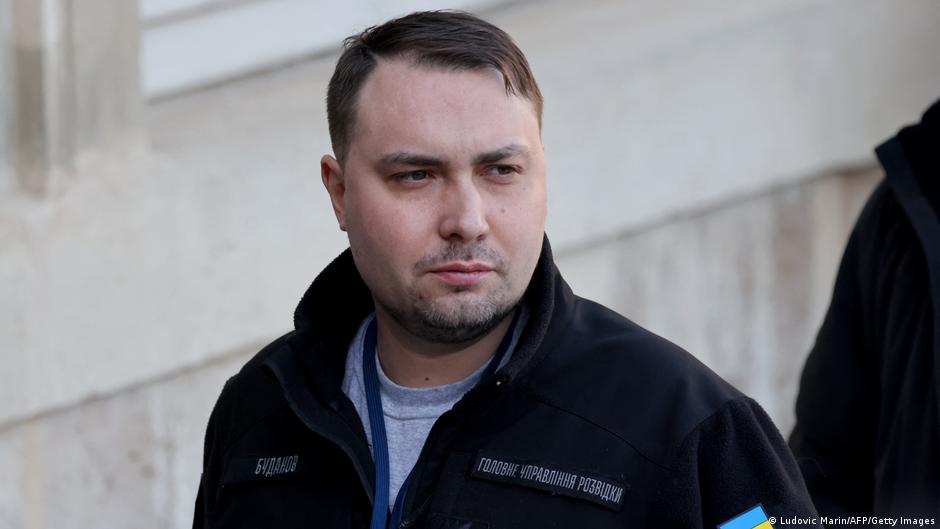
The dispute has escalated within Ukraine’s leadership. On June 20, Kirill Budanov, head of Ukraine’s Office of the President, announced his refusal of the Gold Officer’s Cross of the Order of Polonia Restituta, a Polish award he received in 2025. “This is a hostile act against Ukrainians and a gift to the Moscow aggressor,” Budanov wrote on social media, highlighting what he called Poland’s double standards. “Why hasn’t the White Eagle Order been revoked from Mussolini or Hitler’s collaborators?”
Ukrainian Ambassador to Poland Vasyl Bodnar also returned his Polish medal, stating that the decision “deeply wounds the Ukrainian people.” Bodnar emphasized the historical bond between the two nations, noting that Poland was one of Ukraine’s earliest supporters during Russia’s full-scale invasion. “We respect Poland’s sovereignty, but we cannot accept this symbolic attack on our national identity,” he said.
The backlash reflects broader tensions over historical narratives. While Ukraine seeks to reframe the UPA as a liberation movement, Poland’s government has consistently condemned the group. Duda’s office has also criticized Ukraine for not condemning “totalitarian cults,” a reference to Russia’s invasion and the UPA’s complex legacy.
Poland’s Historical and Political Rationale
Duda’s revocation of the White Eagle Order aligns with Poland’s broader strategy to assert its historical narrative in the face of Russian influence. The Polish president emphasized that the decision was not anti-Ukrainian but a defense of “shared European values.” “We cannot allow the glorification of those who committed crimes against our people,” he said, according to Ukrainska Pravda.
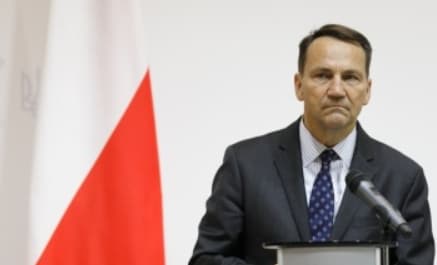
However, the move has drawn criticism from Polish foreign policy analysts. Radosław Sikorski, Poland’s foreign minister, argued that the dispute “benefits only Moscow.” In a post on X, Sikorski cited an article by journalist Witold Jurasz, which stated that Duda’s decision was a “moral victory but a strategic loss for Poland.” “The president should focus on diplomacy, not anti-diplomacy,” Jurasz wrote, as reported by Europa Przyszłość.
The conflict also highlights Poland’s internal political divisions. Duda, a conservative, faces pressure from centrist Prime Minister Tusk, who has called for de-escalation. Tusk’s silence on the matter has been interpreted as a sign of his reluctance to challenge the president on historical issues, despite his pro-Ukrainian stance.
Regional Implications and Expert Analysis
The crisis has strained Ukraine-Poland relations at a critical moment. Both nations are key allies in Western support for Ukraine’s war effort, but the dispute risks undermining cooperation. Analysts warn that the conflict could ripple beyond bilateral ties. “This isn’t just about history—it’s about who gets to shape the narrative of Eastern Europe’s future,” said a scholar at the Institute of Eastern Studies, citing DW.
Historically, Poland and Ukraine have had a fraught relationship, marked by territorial disputes and ideological clashes. The UPA’s legacy remains a flashpoint, with both sides accusing the other of historical revisionism.
Find more reporting in our News section.
