

In a bold experiment aimed at tackling screen addiction among youth, families in Yukon Territory have completed a 10-day challenge to disconnect from all screens—no televisions, video games, tablets, or smartphones. The initiative, which concluded on April 26, 2026, brought together participants for a final day of screen-free activities, offering a glimpse into the potential benefits of unplugging in an increasingly digital world.
Why a Digital Detox?
The challenge, part of a broader movement to promote healthier screen habits, encouraged participants to replace leisure screen time with in-person interactions, outdoor activities, and creative pursuits. Even as the initiative was voluntary, it reflects growing concerns among health experts about the impact of excessive screen use on mental health, sleep patterns, and social development in children and adolescents.
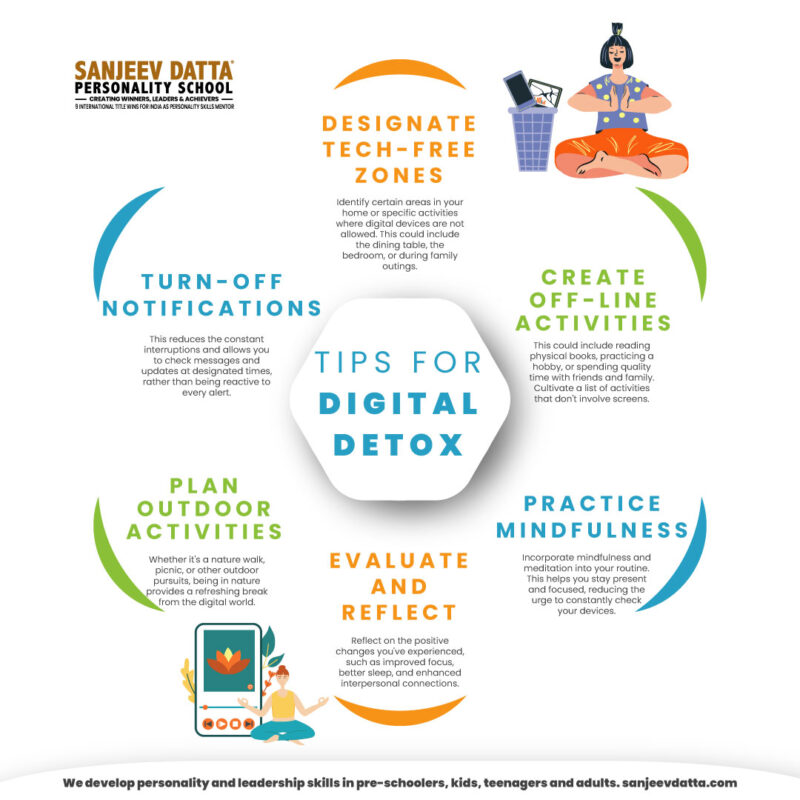
Organizers emphasized that the goal wasn’t to demonize technology but to help young people—and their families—develop a more balanced relationship with digital devices. “It’s about learning to use screens intentionally, rather than letting them control our time and attention,” said one participant in a post-challenge reflection shared by local media.
Real-World Benefits
Though the Yukon challenge didn’t include formal scientific measurements, similar initiatives in other regions have reported tangible benefits. Schools and families participating in past “screen-free” weeks have noted improvements in classroom behavior, reduced verbal and physical aggression, and stronger family bonds. Some studies also suggest that cutting back on screen time can lead to better sleep quality, improved focus, and even a lower risk of obesity in children.

For many participants in Yukon, the most noticeable change was the shift in daily routines. Without the pull of screens, families spent more time outdoors, engaged in board games, or simply had longer conversations. “It was surprising how much extra time we had when we weren’t scrolling or watching videos,” said one parent. “The kids complained at first, but by the end, they were asking to keep some of the changes.”
A Growing Movement
The Yukon challenge is part of a larger trend of communities and schools experimenting with screen-free periods. Similar events have been held in Quebec, France, and other parts of Canada, often framed as opportunities to “observe the world differently” and reconnect with offline activities. While these initiatives vary in scope, they share a common focus: helping young people develop healthier digital habits before screen use becomes an ingrained, hard-to-break behavior.
Public health experts caution that screen time isn’t inherently harmful—it’s the *amount* and *context* that matter. Educational screen use, for example, can be beneficial, while passive scrolling or excessive gaming may contribute to anxiety, sleep disruption, and reduced physical activity. The challenge, then, is finding a middle ground where technology serves as a tool rather than a distraction.
Lessons for Families
The Yukon experiment offers a few key takeaways for families looking to reduce screen time:

- Start small: A full 10-day detox may feel overwhelming, but even shorter periods—like a screen-free weekend—can help reset habits.
- Replace, don’t just remove: The most successful participants filled their time with alternatives, such as sports, reading, or arts and crafts.
- Model healthy habits: Parents who joined the challenge alongside their children reported greater success than those who didn’t participate.
- Build it social: Group activities, like the final gathering in Yukon, reinforced the sense of community and made the experience more enjoyable.
While the long-term effects of such challenges remain to be studied, the immediate feedback from participants suggests that even temporary breaks from screens can foster mindfulness about digital consumption. For families struggling with screen overuse, the message is clear: unplugging doesn’t have to be permanent to be powerful.
As one Yukon participant put it: “We’re not giving up screens forever. But now we know we can live without them—and that’s a good reminder for all of us.”
