
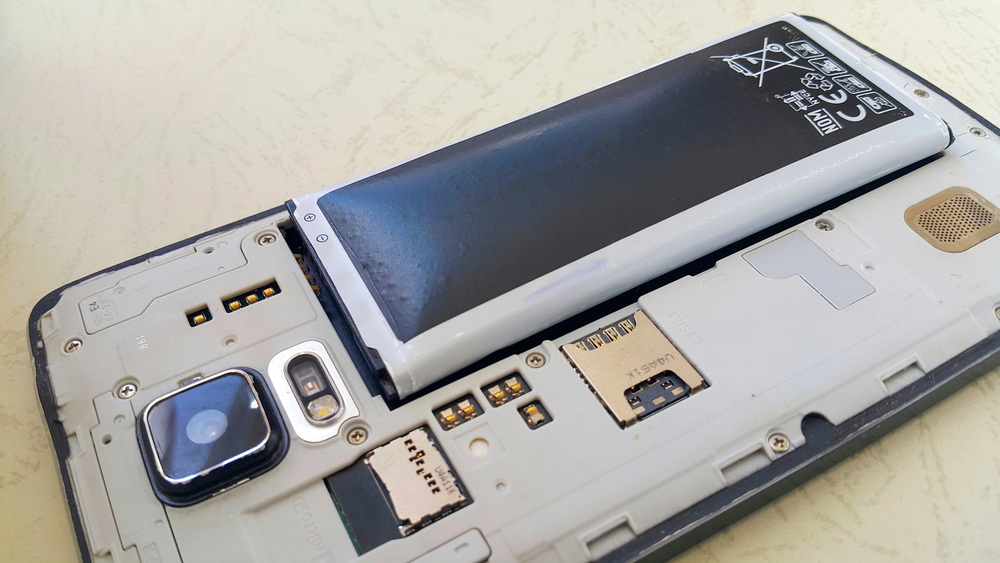
Starting in February 2027, the European Union will require that all new mobile phones, tablets, and cameras sold in its member states feature user-replaceable batteries, according to a regulation adopted in 2023 and now entering its implementation phase. The rule, which forms part of a broader battery regulation covering the full lifecycle from production to recycling, mandates that batteries must be removable using common household tools, without adhesives, special screws, or sealed casings that prevent access. The regulation aims to combat premature device failure and reduce electronic waste by enabling consumers to extend the lifespan of their electronics through simple battery swaps. Officials noted that just a few years ago, some water-resistant phones still allowed battery replacement with minimal effort, but manufacturers have since moved toward designs that fuse batteries to screens and other components, making repairs economically unviable. In addition to user-replaceability, the EU regulation sets collection and recycling targets for portable batteries, requiring a 63% collection rate by 2027 and 73% by 2030. It likewise establishes material recovery goals, including a 50% lithium recycling rate by 2027 rising to 80% by 2031, and mandates minimum recycled content levels for cobalt, lead, lithium, and nickel in certain battery types. Industry analysts said the change represents a significant shift from past practices, where manufacturers often prioritized thin, sealed designs over serviceability. While some brands have already begun testing compliant designs, the regulation gives companies until early 2027 to fully adapt their product lines. The policy mirrors earlier EU efforts to standardize charging ports and extend product support periods, reinforcing a broader strategy to improve device longevity and sustainability across consumer electronics.
2027: Replaceable Batteries Mandated Across the EU – What You Need to Know
10
