
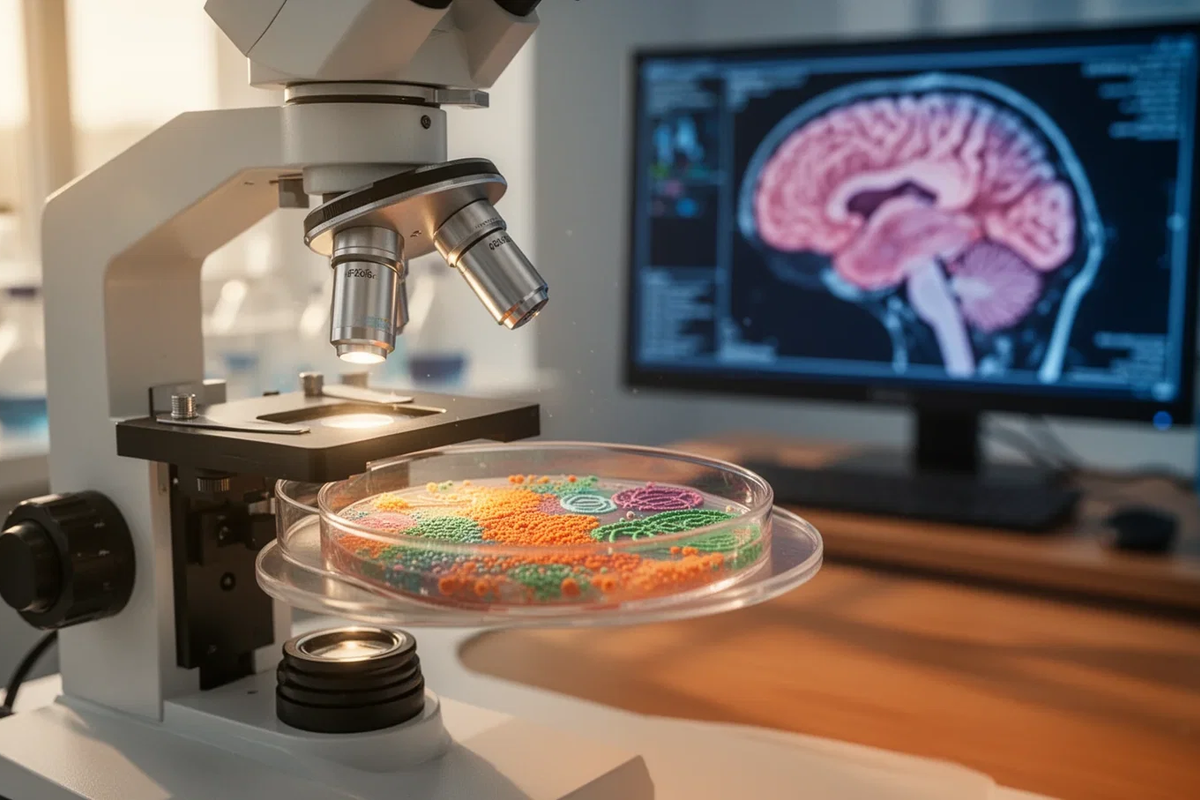
Recent research is highlighting the growing connection between gut health and brain disorders, suggesting that changes in the digestive system may play an early role in conditions like dementia and Parkinson’s disease.
Scientists are increasingly focusing on the gut-brain axis—the communication network linking the gastrointestinal tract and the central nervous system—as a potential window into neurodegenerative diseases. Recent findings indicate that imbalances in gut bacteria, known as the microbiome, could appear years before neurological symptoms emerge.
In studies related to dementia, researchers have observed that certain microbial patterns in the gut may correlate with cognitive decline, although therapeutic interventions targeting these mechanisms have so far yielded disappointing results in clinical trials.
Similarly, evidence is building that Parkinson’s disease might originate in the gut, with abnormal protein deposits first detectable in the digestive tract before spreading to the brain via the vagus nerve. Changes in intestinal inflammation and microbial composition have been identified in individuals long before diagnosis, offering a possible biomarker for early detection.
One line of inquiry points to chronic inflammation damaging the vagus nerve, disrupting gut-brain signaling and potentially triggering neurodegenerative processes. This theory gained attention through research involving centenarians, whose longevity may be linked to resilient gut-brain communication.
Experts caution that while these associations are promising, they do not yet prove causation. However, the consistent findings across multiple studies suggest that monitoring gut health could become a valuable strategy in identifying at-risk individuals earlier.
The implications extend beyond diagnosis. If gut changes truly precede brain pathology, interventions such as diet, probiotics, or anti-inflammatory treatments might one day delay or prevent disease onset—though such applications remain speculative without further validation.
For now, the research underscores a shifting perspective: neurodegenerative diseases may not start solely in the brain, but could be influenced by processes starting far downstream, in the intestines.
