
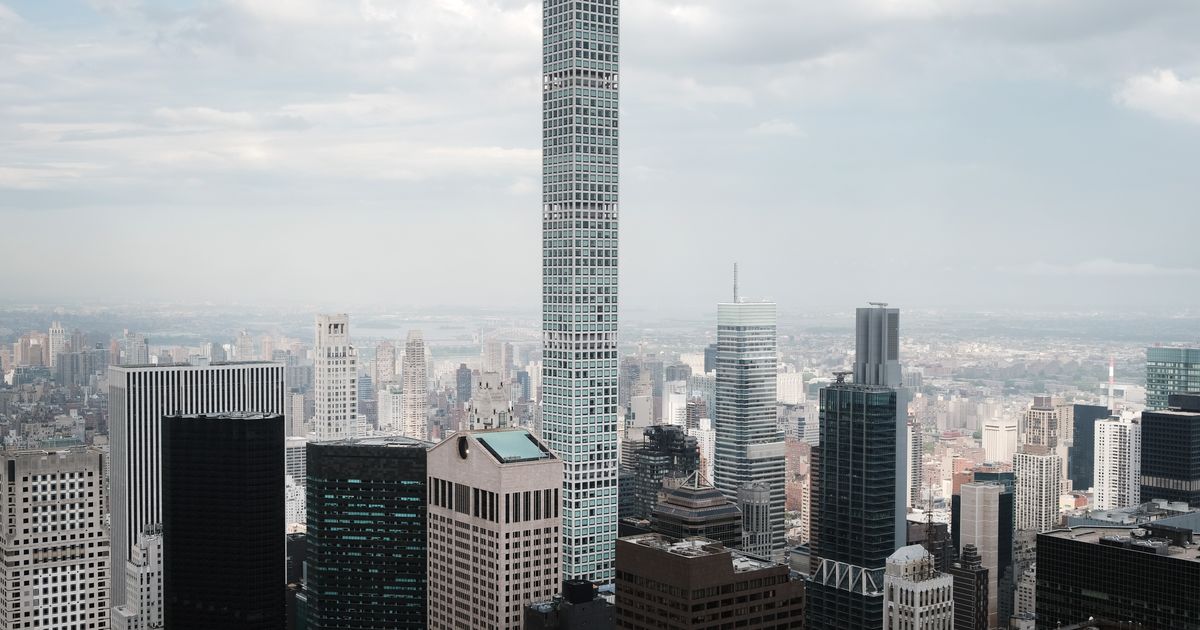
Cracking Façade at 432 Park Avenue Raises Safety Concerns
New York, NY – A new report details ongoing structural issues at 432 Park Avenue, Manhattan’s supertall luxury condominium, raising concerns about potential safety hazards and the long-term viability of the building.
Developers reportedly prioritized aesthetics over durability during construction of the 1,400-foot tower, leading to significant cracking in the façade. According to court documents and interviews with engineers, the desire for an “absolutely pure building” – a stark white exterior – led to the rejection of cement additives that would have improved the concrete’s strength. One director at the architect’s firm reportedly wrote in a 2012 email that pursuing the desired color would lead to “failure and lawsuits.” A structural engineer on the project stated the choice was “color or cracks.”
The condo board filed a lawsuit in 2021 alleging over 1,500 defects, including “life safety” issues, and a second suit this year claimed developers were warned about the cracking and attempted to conceal it from inspectors and buyers. Experts warn that continued deterioration could result in falling concrete, elevator malfunctions, and ultimately, an “uninhabitable” building. “There’s no sidewalk shed that’s going to protect you from chunks of concrete popping off a 1,400-foot building,” one engineer told reporters. This situation highlights the potential risks associated with prioritizing design over structural integrity in high-rise construction. The Department of Buildings has stated that inspections have not revealed immediate safety concerns, but a recent review by a firm hired by the condo owners found new cracks and “missing chunks” of concrete.
Currently, 11 of the building’s 125 units are on the market, and only one sale has closed this year. Even developer Harry Macklowe had plans to sell his units but abandoned them after defaulting on the associated loans. The ongoing issues at 432 Park Avenue are a stark reminder of the complexities of modern construction and the potential for costly consequences when quality is compromised; you can learn more about building safety regulations from the New York City Department of Buildings. Residents are also facing increased common charges and a $5.3 million renovation to the private restaurant.
Representatives for the developers maintain that the complaints are exaggerated and that many issues have been addressed, while the Department of Buildings continues to monitor the situation.
