
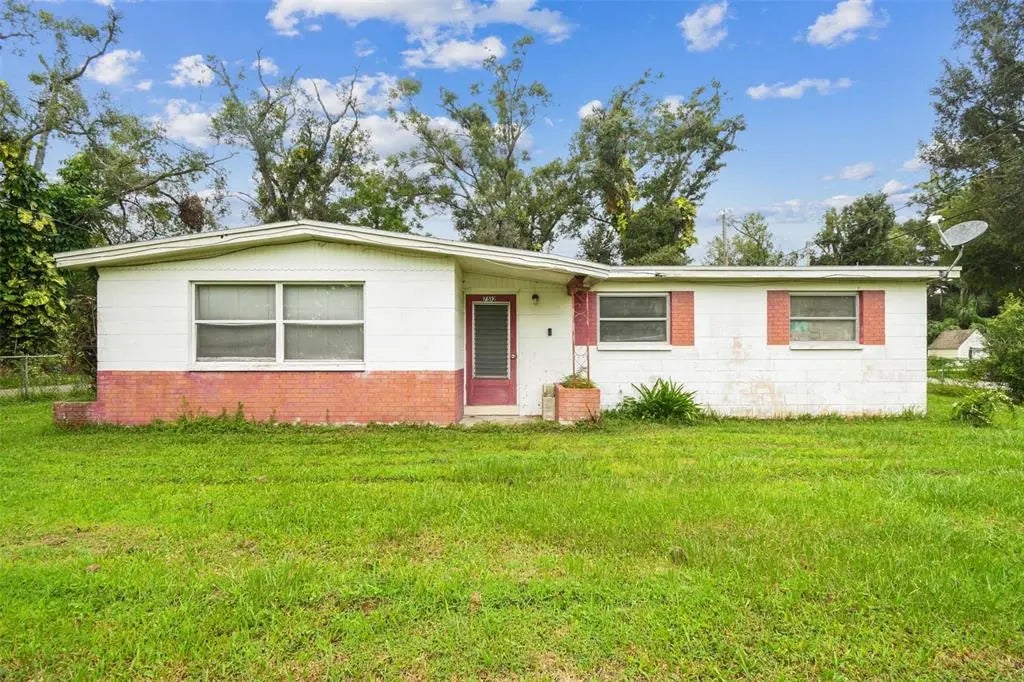
Investing in Tampa Real Estate: Future Trends and Opportunities
Explore the evolving landscape of Tampa real estate, from income-generating properties to portfolio investments, and discover the trends shaping the market.
The Allure of Income-Producing Properties
The provided property listing highlights a key advantage: immediate income. This is a cornerstone of smart real estate investing. The ability to generate revenue from day one, thru tenant occupancy, significantly reduces the financial burden and risk associated with property ownership. This is notably attractive in a market like Tampa, where rental demand remains consistently high.
Pro Tip: When evaluating income-producing properties, meticulously analyze the rental income versus expenses (mortgage, property taxes, insurance, maintenance). A positive cash flow is the ultimate goal.
Tampa’s Real Estate Market: A Look Ahead
Tampa’s real estate market is dynamic. Several factors are influencing its trajectory, including population growth, job creation, and overall economic health.Understanding these trends is crucial for making informed investment decisions.
Population Growth and Demand
Tampa continues to attract new residents, driving up demand for housing. This influx is fueled by a combination of factors, including a favorable climate, a growing job market, and a relatively affordable cost of living compared to other major metropolitan areas. This sustained demand supports both rental and property values.
Job Market Expansion
The Tampa Bay area has experienced significant job growth in recent years, particularly in sectors like healthcare, technology, and finance. This creates a strong employment base,which in turn supports the housing market. More jobs meen more people looking for places to live, further boosting demand.
The Rise of Portfolio Investments
The listing mentions a larger portfolio being offered. This reflects a growing trend of investors seeking to diversify their holdings and perhaps benefit from economies of scale. Buying multiple properties concurrently can streamline management and potentially offer better returns. this approach is often favored by experienced investors.
Did you know? Real estate investment trusts (REITs) offer another avenue for portfolio diversification, allowing investors to participate in the real estate market without directly owning properties.
Key Considerations for Tampa Real estate Investors
Navigating the Tampa real estate market requires careful consideration of several factors:
Location,Location,Location
As always,location is paramount. Research neighborhoods with strong growth potential, good schools (if targeting families), and convenient access to amenities and employment centers. Areas undergoing revitalization frequently enough present attractive investment opportunities.
Property Condition and Potential
Thoroughly inspect any property before making an offer. Consider the property’s condition, potential for renovation, and any necessary repairs. factor these costs into your investment analysis. Look for properties with features that are in high demand, such as updated kitchens and bathrooms, outdoor living spaces, and energy-efficient appliances.
Financing and Market Analysis
Secure financing before you start seriously looking at properties. Work with a local lender who understands the Tampa market. Conduct a thorough market analysis to determine the fair market value of the property and assess its potential rental income. Compare the property to similar properties in the area to ensure you’re making a sound investment.
Property Management
If you’re not planning to manage the property yourself, consider hiring a professional property management company. They can handle tenant screening, rent collection, maintenance, and other responsibilities, freeing up your time and reducing your stress.
The future of Real Estate Investing in tampa
The Tampa real estate market is poised for continued growth, driven by the factors discussed above. However, it’s essential to stay informed and adapt to changing market conditions. Here are some emerging trends to watch:
smart Home technology
The integration of smart home technology is becoming increasingly popular. features like smart thermostats, security systems, and appliances can enhance a property’s appeal and potentially increase its rental value. They can also improve energy efficiency and reduce operating costs.
Sustainability and Green Building
Environmentally conscious tenants are increasingly seeking sustainable and energy-efficient properties. Investing in properties with features like solar panels,low-flow fixtures,and energy-efficient windows can attract these tenants and potentially increase property values.
The Rise of Short-Term Rentals
While not explicitly mentioned in the original listing, the short-term rental market (e.g., Airbnb) is a factor in manny markets. However, local regulations and market saturation can impact profitability.Research local ordinances and assess the demand for short-term rentals in the specific area before considering this strategy.
Frequently Asked Questions (FAQ)
- What is a good return on investment (ROI) for a rental property in tampa?
- A good ROI varies,but many investors aim for a cash-on-cash return of 8% or higher. This is highly dependent on the specific property and market conditions.
- How do I find a good property manager in Tampa?
- Ask for referrals from other investors, check online reviews, and interview several companies to find one with experience and a good reputation.
- What are the biggest risks of investing in Tampa real estate?
- Risks include market fluctuations, tenant vacancies, property damage, and unexpected maintenance costs. Thorough due diligence and proper insurance can mitigate these risks.
Decoding the Future of Real Estate: trends Shaping Tampa’s Landscape
The real estate market is constantly evolving, and understanding the trends is crucial for anyone looking to buy, sell, or invest. This analysis delves into the potential future of real estate, focusing on the key elements highlighted in the provided data: property size, year built, property type, and community location. We’ll explore how these factors are likely to shape the Tampa real estate market and beyond.
The Allure of Smaller Properties: A Shift in Acreage
The data indicates a property size of 0.23 acres. this reflects a broader trend towards smaller, more manageable properties, especially in urban and suburban areas. This shift is driven by several factors, including rising land costs, a desire for lower maintenance, and a growing preference for walkable communities.
Did you know? The average lot size for new single-family homes has been shrinking for decades, reflecting this trend.
Future Trend: We can anticipate a continued emphasis on “smart growth” and “infill progress,” where developers focus on building on existing, underutilized land. This will likely lead to more townhouses, condos, and smaller single-family homes, particularly in desirable locations like Tampa.
Vintage Charm Meets Modern Living: The Significance of Year Built
The property’s year built is 1961. This age can be a significant factor, as it often indicates a property with established character and potential for renovation. Older homes often offer unique architectural details and are located in well-established neighborhoods.
Pro Tip: When considering an older home, factor in potential renovation costs and the need for upgrades to meet modern energy efficiency standards.
Future Trend: The demand for renovated older homes will likely remain strong.Homeowners are increasingly seeking to blend vintage charm with modern amenities. This trend will fuel the growth of the remodeling and renovation industry, with a focus on sustainable and energy-efficient upgrades.
Residential Real Estate Evolution: Property Type and Sub-Type
The property is classified as “Residential” and a “Single Family Residence.” While single-family homes remain a cornerstone of the market, the future will likely see a diversification of housing options.
Case Study: In many major cities, we’re seeing a rise in co-living spaces, micro-units, and mixed-use developments that combine residential, commercial, and recreational spaces.
Future trend: Expect to see more diverse housing options, including:
- Multi-generational homes: Designed to accommodate multiple generations under one roof.
- Co-housing communities: where residents share common spaces and resources.
- Accessory dwelling Units (ADUs): Small, autonomous living units on the same property as a single-family home.
Tampa’s Real Estate Outlook: Community Information and Location
The property’s location in Tampa is a key factor. Tampa, like many growing cities, is experiencing significant population growth and economic development. This drives demand for housing and influences property values.
Data Point: Tampa’s population has grown significantly in recent years, leading to increased demand for housing and rising property values.
Future Trend: Tampa’s real estate market will likely continue to be robust, with growth concentrated in areas with good schools, access to amenities, and proximity to employment centers. Expect to see continued investment in infrastructure and development projects to support this growth.
FAQ: Your Real Estate Questions Answered
Here are some frequently asked questions about the future of real estate:
- What factors influence property values?
- Location, property size, condition, and market demand are key factors.
- are smaller properties a good investment?
- They can be, especially in desirable locations with high demand.
- What are the benefits of buying an older home?
- Character, established neighborhoods, and potential for customization are key benefits.
- How is technology impacting real estate?
- Virtual tours, online property searches, and data analytics are transforming the industry.
Reader Question: What are the best neighborhoods in Tampa for families?
The best neighborhoods depend on individual needs and preferences. Research neighborhoods with good schools, parks, and community amenities.
In conclusion: The real estate market is dynamic, and understanding the trends is essential for making informed decisions. By considering factors like property size, age, type, and location, you can position yourself for success in the evolving real estate landscape.
Ready to explore the Tampa real estate market? Contact a local real estate agent today to discuss your needs and start your property search!
The Future of Real Estate: Trends shaping Tampa and Beyond
The real estate landscape is constantly evolving, and understanding the emerging trends is crucial for both buyers and sellers. This article delves into the potential future of real estate, focusing on the Tampa, Florida area, while also considering broader national and global influences. We’ll explore how factors like location, amenities, and technology are reshaping the industry.
Location, Location, location: The Shifting Sands of Desirability
The age-old adage “location, location, location” remains paramount, but the definition of a prime location is changing. While the provided data highlights Tampa’s Palm River/Progress Village area, the future will likely see a continued emphasis on areas offering a blend of affordability, accessibility, and lifestyle amenities.
Pro Tip: Consider areas with planned infrastructure improvements, such as new public transportation lines or expanded roadways. These can significantly increase property values over time.
Case Study: The revitalization of downtown Tampa is a prime example. Investments in infrastructure, entertainment venues, and residential developments have transformed the area, attracting new residents and businesses. This trend is highly likely to continue, with a focus on creating walkable, mixed-use communities.
Amenities: Beyond the Basics
The provided data mentions “Amenities,” which are becoming increasingly vital. Today’s buyers are looking beyond just a roof over their heads. They wont access to features that enhance their lifestyle. This includes everything from smart home technology to community features.
Did you know? The demand for homes with dedicated home offices, outdoor living spaces, and energy-efficient features has surged since the pandemic.
Future Trends:
- Smart Home Integration: Expect to see more homes equipped with integrated smart home systems, allowing for remote control of lighting, security, and climate control.
- Community Amenities: Developments with shared amenities like co-working spaces,fitness centers,and community gardens will continue to be popular.
- Sustainability: Eco-kind features, such as solar panels, electric vehicle charging stations, and water-efficient landscaping, will become increasingly desirable.
Technology’s Impact: Transforming the Real Estate experience
Technology is revolutionizing every aspect of the real estate industry, from property searches to virtual tours. The use of data analytics, artificial intelligence (AI), and virtual reality (VR) is becoming more prevalent.
Data Point: According to the National Association of Realtors, online property searches are the primary way most buyers find their homes.
Future Trends:
- Virtual and Augmented Reality: VR and AR will allow potential buyers to experience properties remotely, reducing the need for in-person visits.
- AI-Powered Property Valuation: AI algorithms will provide more accurate and real-time property valuations, helping buyers and sellers make informed decisions.
- Blockchain for Transactions: Blockchain technology could streamline the buying and selling process, making transactions more secure and efficient.
The Role of Subdivisions and City Planning
The provided data mentions “Subdivision” and “City,” highlighting the importance of planned communities and urban development. the future will likely see a greater emphasis on smart city initiatives and sustainable urban planning.
Example: Cities like Tampa are investing in public transportation, green spaces, and mixed-use developments to create more livable and sustainable communities.
FAQ: Your Real Estate Questions Answered
Q: What are the most critically important factors to consider when buying a home in the future?
A: Location, amenities, and technological integration will be key.
Q: How will technology impact the home-buying process?
A: Expect more virtual tours, AI-powered valuations, and streamlined transactions.
Q: What are some emerging trends in home design?
A: Smart home features, outdoor living spaces, and sustainable design elements are becoming increasingly popular.
Conclusion: Navigating the Future of Real Estate
The real estate market is dynamic, and staying informed about emerging trends is essential for success. By understanding the factors shaping the future of real estate, you can make informed decisions and position yourself for long-term gains. Whether you’re a buyer, seller, or investor, the future of real estate offers exciting opportunities.
Reader Question: What are your biggest concerns or questions about the future of real estate? Share your thoughts in the comments below!
Future Trends in Real Estate: what’s Next for Homebuyers and Investors?
The real estate market is constantly evolving. From the rise of smart homes to shifts in urban living, understanding the future trends is crucial for both homebuyers and investors. This article delves into the potential future of real estate, drawing insights from current market data and emerging technologies. We’ll explore how factors like location, property features, and interior design are poised to change the way we live and invest.
The Shifting Landscape of Location, Location, Location
The age-old adage “location, location, location” remains relevant, but its meaning is transforming. While proximity to city centers was once paramount, the pandemic accelerated a trend toward suburban and even rural living. This shift is driven by the desire for more space, access to nature, and a lower cost of living. However, this trend is not uniform. Some cities are experiencing a resurgence as people return to urban cores, drawn by cultural amenities and job opportunities.
Key Trends:
- Suburban Growth: Expect continued growth in suburban areas, particularly those with good schools, parks, and community amenities.
- Urban Revitalization: Cities are adapting by investing in infrastructure, green spaces, and mixed-use developments to attract residents.
- Remote Work Impact: The rise of remote work continues to influence location choices, with people prioritizing lifestyle and affordability over proximity to a physical office.
Did you know? According to a recent study by the National association of Realtors,the demand for homes in suburban areas increased by 15% in the last year,while urban areas saw a slight decrease.
Smart Homes and Tech-Driven Property Features
Technology is revolutionizing the way we interact with our homes. Smart home features, such as automated lighting, climate control, and security systems, are becoming increasingly common. These features not only enhance convenience but also improve energy efficiency and home security. The integration of artificial intelligence (AI) is also playing a role, with systems learning homeowner preferences and optimizing home operations.
Key Trends:
- Smart Home Integration: Expect a wider adoption of smart home technologies, with seamless integration across various devices and platforms.
- Energy Efficiency: Homes will increasingly incorporate energy-efficient features, such as solar panels, smart thermostats, and energy-efficient appliances.
- Enhanced Security: Advanced security systems, including facial recognition and remote monitoring, will become standard features.
Pro Tip: When buying a home, consider the potential for future technology upgrades. Ensure the property has adequate wiring and infrastructure to support smart home features.
Interior Design: Functionality and Personalization
Interior design is evolving to meet the changing needs of homeowners. The focus is shifting towards functionality, personalization, and sustainability. open-concept layouts are still popular, but there’s a growing demand for flexible spaces that can adapt to different uses, such as home offices and entertainment areas. Sustainable materials and eco-friendly designs are also gaining traction.
Key Trends:
- Multifunctional Spaces: Homes will be designed with flexible spaces that can serve multiple purposes, such as a living room that converts into a home office.
- Personalization: Homeowners will seek to personalize their spaces, with custom designs and features that reflect their individual styles and needs.
- Sustainable Design: The use of sustainable materials, energy-efficient appliances, and eco-friendly practices will become increasingly important.
Case Study: A recent survey by Houzz found that 78% of homeowners are prioritizing home office spaces in their renovations, reflecting the continued impact of remote work.
The Future of Real Estate investment
Real estate remains a popular investment option, but the strategies are evolving. Investors are increasingly looking at option investment models, such as real estate crowdfunding and fractional ownership. Data analytics and market research are becoming essential tools for identifying profitable investment opportunities. The focus is shifting towards properties with high growth potential and strong rental yields.
Key Trends:
- Data-Driven Decisions: Investors will rely on data analytics and market research to make informed investment decisions.
- Alternative Investment Models: Expect a rise in real estate crowdfunding and fractional ownership models, making real estate investment more accessible.
- Focus on Sustainability: Investors will prioritize properties with sustainable features and energy-efficient designs.
Frequently Asked Questions (FAQ)
Q: Will remote work continue to impact real estate trends?
A: Yes, remote work is expected to continue influencing location choices and the demand for home office spaces.
Q: Are smart homes a good investment?
A: Smart home features can increase property value and appeal to buyers, making them a worthwhile investment.
Q: What are the most important factors to consider when buying a home in the future?
A: Location, energy efficiency, smart home capabilities, and flexible living spaces will be key considerations.
Q: How can I stay informed about real estate trends?
A: Follow real estate news sources, consult with real estate professionals, and stay updated on market data.
Conclusion: Embracing the Future of Real Estate
The real estate market is dynamic, and understanding the future trends is essential for success. By staying informed about location preferences, technological advancements, interior design innovations, and investment strategies, you can make informed decisions and capitalize on the opportunities that lie ahead. The future of real estate is about adapting to change,embracing technology,and creating homes that meet the evolving needs of homeowners and investors.
Ready to explore the real estate market? Contact a local real estate agent today to discuss your needs and start your journey towards finding your dream home or making a smart investment!
Future Trends in Real Estate: The Rise of Single-Story Living and Enhanced Exterior Spaces
The real estate market is constantly evolving, shaped by changing demographics, technological advancements, and evolving lifestyle preferences. Analyzing property details, like those of 7512 Rhode Island drive, provides valuable insights into emerging trends. this article delves into the potential future of single-story homes and the importance of exterior features, offering a glimpse into what homebuyers will be seeking in the years to come.
The Enduring appeal of Single-Story Homes
single-story homes, often referred to as ranch-style homes, have long been a popular choice, particularly among retirees and families with young children. The convenience of having all living spaces on one level offers significant advantages in terms of accessibility and ease of maintenance. But their appeal is broadening.
Accessibility and Aging in place
as the population ages, the demand for homes that support “aging in place” is increasing. single-story homes inherently offer better accessibility for individuals with mobility challenges. This eliminates the need for stairs, making daily living easier and safer.This trend is supported by data: the U.S. Census Bureau projects a significant increase in the 65+ population in the coming decades.
Did you know? The National Association of Home Builders (NAHB) reports a growing preference for single-story homes among all age groups, not just seniors.
Family-Friendly Design
For families with young children, single-story homes offer the benefit of easier supervision. Parents can keep a closer eye on children playing both inside and outside. This design also simplifies the movement of furniture and other items, making everyday life more convenient.
Energy Efficiency and Sustainability
While the initial construction costs might be higher, single-story homes can be more energy-efficient in the long run.With all living spaces on one level,heating and cooling systems can be more effectively managed. This aligns with the growing consumer interest in sustainable living and reducing environmental impact.
Exterior Features: Expanding Living Spaces and enhancing curb Appeal
The exterior of a home is no longer just about curb appeal; it’s about extending the living space and creating a functional and enjoyable outdoor environment.Features like courtyards and storage, as seen in the property details, are becoming increasingly critically important.
Courtyards: Private Sanctuaries
Courtyards offer a private outdoor space,perfect for relaxation,entertaining,or simply enjoying the fresh air. They provide a sense of seclusion and can be designed to complement the home’s architecture. The trend towards courtyards reflects a desire for more intimate outdoor living experiences.
Pro tip: Consider incorporating features like outdoor kitchens, fire pits, or agreeable seating areas to maximize the functionality of your courtyard.
storage Solutions: Maximizing Space and Association
Adequate storage is a crucial factor for homebuyers. Exterior storage, such as sheds or built-in storage units, provides valuable space for storing tools, equipment, and seasonal items.This helps to declutter the interior of the home and maintain a tidy exterior.
Corner Lots: Maximizing Space and Privacy
Corner lots, as noted in the property details, offer several advantages.They often provide more yard space, increased privacy, and easier access. they can also offer opportunities for creative landscaping and design.
Technological Integration and Smart Home features
The future of real estate is intertwined with technology.Smart home features are becoming increasingly common, enhancing convenience, security, and energy efficiency.
Smart Home Integration
expect to see more homes equipped with smart home technology, including smart thermostats, security systems, and lighting controls. These features allow homeowners to manage their homes remotely and optimize energy consumption.
Outdoor Technology
Outdoor spaces are also becoming smarter. This includes features like automated irrigation systems, outdoor lighting controlled by smart devices, and even outdoor entertainment systems.
Case Study: The Rise of the “Outdoor Room”
In many regions, particularly those with favorable climates, the concept of the “outdoor room” is gaining traction. This involves creating a fully functional outdoor living space that includes a kitchen, dining area, and comfortable seating. This trend is driven by the desire to connect with nature and enjoy a more relaxed lifestyle.
FAQ: Frequently Asked Questions
Are single-story homes more expensive to build?
While the initial construction costs might be higher per square foot, single-story homes can offer long-term savings in terms of energy efficiency and maintenance.
What are the benefits of a courtyard?
Courtyards provide a private outdoor space for relaxation, entertaining, and enjoying the fresh air, enhancing the overall living experience.
How can I make my home more accessible?
Consider features like wider doorways, ramps, and grab bars to improve accessibility for individuals with mobility challenges.
Ready to explore the possibilities? Contact a local real estate agent today to learn more about single-story homes and exterior features that meet your needs!
Future Trends in real Estate: What’s Next for Foundations, schools, and Additional Information?
Exploring the evolving landscape of real estate, from innovative foundation technologies to the future of school districts and the importance of thorough property information.
The Foundation of the Future: Beyond the Slab
The provided data highlights “Slab” as the foundation type. While a common and cost-effective choice,the future of foundations is poised for significant innovation. We’re moving beyond the customary, with a focus on sustainability, resilience, and adaptability.
Pro Tip: Consider the long-term implications of your foundation choice. Factors like soil conditions, seismic activity, and potential for flooding should influence your decision.
Emerging Trends:
- Sustainable Materials: Expect to see more use of eco-friendly materials like recycled concrete, bio-based polymers, and even mycelium-based foundations. These options reduce the environmental footprint and can offer superior insulation.
- Smart Foundations: Sensors embedded in foundations can monitor soil moisture, temperature, and structural integrity, providing early warnings of potential problems. this proactive approach can save homeowners significant costs in the long run.
- Modular and Adjustable Foundations: As climate change intensifies, the ability to adapt to rising sea levels and changing ground conditions becomes crucial.Modular foundations allow for easier adjustments and repairs.
Case Study: In coastal areas, companies are experimenting with foundations designed to withstand flooding and erosion, incorporating features like elevated platforms and water-resistant materials.
School Districts and Real Estate: A symbiotic Relationship
The provided data lists the elementary, middle, and high schools associated with the property. School district quality is a major factor influencing property values. As demographics shift and educational philosophies evolve, the relationship between schools and real estate will become even more intertwined.
Did you know? Properties located within highly-rated school districts often command a premium price.
Future Trends:
- School Choice and Property Values: The rise of charter schools, magnet programs, and open enrollment policies gives families more options. This can lead to increased demand for properties near specific schools, regardless of traditional district boundaries.
- The Impact of Remote Learning: The pandemic accelerated the adoption of remote learning technologies. This could lead to a re-evaluation of school district boundaries and a potential shift in the importance of proximity to physical school buildings.
- Community Schools and integrated Services: Schools are increasingly becoming hubs for community services, offering healthcare, childcare, and other resources.This trend can make properties near these schools even more desirable.
Data Point: according to the National Association of Realtors, school district quality is a top factor influencing homebuyer decisions, especially for families with children.
additional Information: The Power of Clarity and Data
The “Date Listed” is a crucial piece of information. In the future, the availability and accessibility of comprehensive property information will become even more critical. Transparency and data-driven insights will empower buyers and sellers alike.
Reader Question: What other types of information will be considered “essential” in the future?
Future Trends:
- enhanced Property Data: Expect to see more detailed information available, including energy efficiency ratings, environmental hazard assessments, and neighborhood demographics.
- AI-Powered Property Analysis: Artificial intelligence will play a larger role in analyzing property data, providing insights into market trends, investment potential, and potential risks.
- Digital Twins and Virtual Tours: Virtual reality and augmented reality will allow potential buyers to experience properties remotely, providing a more immersive and informative experience.
Real-Life Example: Some real estate platforms are already incorporating drone footage,3D models,and interactive floor plans to enhance the property viewing experience.
Frequently Asked Questions (FAQ)
- What are the benefits of sustainable foundations?
- Reduced environmental impact, improved insulation, and potential cost savings over the long term.
- How can school district quality affect property values?
- Properties in highly-rated school districts often command higher prices and experience faster appreciation.
- What kind of additional information will be available in the future?
- Expect more detailed data on energy efficiency, environmental hazards, and neighborhood demographics.
Decoding the Future: Trends Shaping the real Estate Landscape
Analyzing the data from a recent property listing,we can extrapolate potential future trends in the real estate market.This article delves into these trends, offering insights and predictions for buyers, sellers, and investors.
The Rise of the “X” factor: Flood Zone Implications
The listing indicates the property is located in Flood Zone “X.” This designation, while frequently enough perceived as low-risk, is becoming increasingly significant. As climate change intensifies, even areas previously considered safe are facing increased flood risks. This impacts property values,insurance premiums,and overall desirability.
Future Trend: We anticipate a growing emphasis on flood risk assessment. Buyers will demand more detailed information, including historical flood data, elevation certificates, and projections based on climate models. Insurance costs will likely rise,potentially making properties in higher-risk zones less attractive.
Real-Life Example: In coastal regions, we’ve already seen a shift. Properties in areas with increased flood risk are experiencing slower appreciation rates compared to those in safer zones. This trend is expected to spread inland as extreme weather events become more frequent.
Foreclosure and Short Sale: A Shifting Landscape
The listing specifies “No” for both Foreclosure and Short Sale.This suggests a healthy market, but the absence of these distressed property types doesn’t guarantee future stability. Economic downturns, rising interest rates, and unforeseen events can quickly alter this dynamic.
Future Trend: The prevalence of foreclosures and short sales is cyclical.While currently low, economic factors could trigger an increase. Investors should monitor economic indicators, such as unemployment rates and interest rate hikes, to anticipate potential shifts in the market.
Case Study: The 2008 financial crisis saw a surge in foreclosures, leading to a significant drop in property values. Understanding the factors that led to that crisis can help investors prepare for future market corrections.
The Power of Location: Corner Lots and Market Appeal
The listing highlights a “sprawling corner lot.” Corner lots often offer increased privacy, larger yards, and potentially easier access. This feature can significantly enhance a property’s appeal, especially in densely populated areas.
future Trend: Properties with desirable features, such as corner lots, will likely maintain their value or appreciate at a higher rate. Buyers are increasingly prioritizing space, privacy, and outdoor living, making these features highly sought after.
Data Point: Recent market data shows that homes on corner lots often sell for a premium compared to similar properties on interior lots. This premium can range from 5% to 15%, depending on the location and specific features.
The Role of the Real Estate Office: Local Expertise
The listing mentions “KELLER WILLIAMS SOUTH TAMPA” as the office. This highlights the importance of local real estate expertise. Agents with in-depth knowledge of a specific area can provide valuable insights into market trends, neighborhood dynamics, and property values.
Future Trend: The role of the local real estate agent will remain crucial. while online platforms provide access to information,buyers and sellers will continue to rely on agents for personalized advice,negotiation skills,and market expertise. The best agents will leverage technology while maintaining a strong local presence.
Reader Question: How can I find a reputable real estate agent in my area?
FAQ: Your Real Estate Questions Answered
- What is a flood zone?
- A geographic area defined by the Federal Emergency Management Agency (FEMA) based on its flood risk.
- What are the benefits of a corner lot?
- Increased privacy, larger yards, and potentially easier access.
- How do I research a property’s flood risk?
- Check the FEMA flood map and consult with a local insurance agent.
- What is the difference between a foreclosure and a short sale?
- A foreclosure is when the lender takes ownership of a property due to the owner’s failure to pay the mortgage. A short sale is when the lender agrees to accept less than the amount owed on the mortgage.
Conclusion: Navigating the Evolving Real Estate Market
The real estate market is constantly evolving. By understanding the key trends,such as flood risk,market cycles,and the importance of location and local expertise,buyers and sellers can make informed decisions and navigate the market successfully.
did you know? The real estate market is influenced by a complex interplay of economic, social, and environmental factors. Staying informed is key to making sound investment decisions.
Ready to explore the real estate market further? Contact a local real estate agent today to discuss your specific needs and goals. They can provide personalized guidance and help you find the perfect property or sell your existing one.
Decoding the Future of Real Estate: Trends Shaping tomorrow’s homes
The real estate landscape is constantly evolving. From technological advancements to shifting demographics, the way we buy, sell, and live in homes is undergoing a significant conversion. Let’s delve into the key trends that are poised to reshape the future of real estate, drawing insights from data and expert analysis.
Smart Homes and the Internet of Things (IoT)
The integration of smart home technology is no longer a futuristic concept; it’s becoming a standard feature.Homes are increasingly equipped with connected devices, from smart thermostats and security systems to voice-activated assistants. This trend is driven by the desire for convenience, energy efficiency, and enhanced security.
Real-Life Example: According to a recent report by Statista, the global smart home market is projected to reach over $140 billion by 2027. This growth is fueled by the increasing affordability and accessibility of smart home devices.
Pro Tip: When considering a property,assess its smart home compatibility. Look for features like pre-wired smart home systems or the ability to easily integrate smart devices. This can significantly increase a home’s value and appeal.
The Rise of Sustainable and Eco-Friendly Homes
Environmental consciousness is a major driver in the real estate market. Homebuyers are increasingly seeking sustainable and eco-friendly features, such as energy-efficient appliances, solar panels, and water-saving fixtures.This trend is not only beneficial for the environment but also offers long-term cost savings.
Case Study: In California, homes with solar panels are selling at a premium compared to those without. This demonstrates the growing demand for sustainable features and their impact on property values.
Did you know? Green building certifications, such as LEED (Leadership in Energy and Environmental Design), are becoming more common, providing a benchmark for sustainable construction and design.
Changing Demographics and Housing Preferences
Demographic shifts are influencing housing preferences. Millennials and Gen Z are entering the housing market, bringing with them different priorities than previous generations. They often prioritize location, walkability, and access to amenities over large square footage.
Data Point: A recent study by the National Association of Realtors found that millennials are increasingly drawn to urban and suburban areas with access to public transportation and a variety of lifestyle options.
Reader Question: How can real estate developers adapt to these changing preferences?
Answer: Developers are responding by building more mixed-use developments that combine residential units with retail, dining, and entertainment options. They are also focusing on smaller, more efficient living spaces.
The Impact of Remote Work on Real Estate
The rise of remote work has had a profound impact on the real estate market. With the adaptability to work from anywhere, many people are relocating to more affordable areas or seeking larger homes with dedicated office spaces.
Example: Cities like Boise, Idaho, and Austin, Texas, have experienced significant population growth as remote workers seek a better quality of life and lower cost of living.
Pro Tip: If you’re a remote worker, consider the availability of high-speed internet and the presence of co-working spaces in your desired location. These factors are crucial for productivity and connectivity.
The Role of Data Analytics and AI in Real Estate
Data analytics and artificial intelligence (AI) are transforming the real estate industry. AI-powered tools are used for property valuation, market analysis, and lead generation. This technology helps buyers and sellers make more informed decisions.
Real-Life Example: Real estate platforms are using AI to personalize property recommendations based on individual preferences and search history. This enhances the home-buying experience.
FAQ: Your Quick Guide to Real Estate Trends
Q: What are the most important factors influencing home values?
A: Location, market conditions, and property features (e.g., smart home technology, energy efficiency) are key factors.
Q: How can I stay informed about real estate trends?
A: Follow industry publications, real estate blogs, and consult with a local real estate professional.
Q: What are the benefits of buying a home with smart home features?
A: increased convenience, energy efficiency, enhanced security, and potential for higher resale value.
Q: Is it a good time to invest in real estate?
A: The real estate market is cyclical. Consult with a financial advisor and real estate professional to assess your personal financial situation and the current market conditions.
Q: What are the long-term benefits of sustainable homes?
A: Reduced utility bills, lower environmental impact, and increased property value.
Q: How is remote work changing the real estate market?
A: It’s leading to shifts in location preferences, with more people seeking larger homes and affordable areas.
Q: How can I find a real estate agent who understands these trends?
A: Look for agents with experience in the local market, a strong online presence, and a commitment to continuing education.
Q: What are the key considerations for first-time homebuyers in the current market?
A: Affordability, location, and long-term investment potential are crucial factors.
Q: How can I prepare my home for sale in a changing market?
A: Consider upgrades that appeal to current trends, such as smart home features, energy-efficient appliances, and updated kitchens and bathrooms.
Q: What role does technology play in the home-buying process?
A: Technology streamlines the process, from online property searches and virtual tours to digital document signing.
Q: What are the benefits of living in a walkable neighborhood?
A: Reduced reliance on cars, increased social interaction, and access to amenities.
Q: How can I assess the energy efficiency of a home?
A: Look for energy-efficient appliances, insulation, and windows. Consider a home energy audit.
Q: What are the advantages of a mixed-use development?
A: Convenience, walkability, and access to a variety of amenities.
Q: How can I use data analytics to make informed real estate decisions?
A: Utilize online tools and consult with real estate professionals who use data to analyze market trends and property values.
Q: what are the long-term implications of climate change on real estate?
A: Increased focus on sustainable building practices, and potential shifts in property values based on climate risk.
Q: How can I find a home that meets my specific needs and preferences?
A: Work with a real estate agent who understands your priorities and can definitely help you navigate the market.
Q: What are the key factors to consider when choosing a location?
A: Proximity to work, schools, amenities, and transportation options.
Q: How can I finance my home purchase in a changing market?
A: Explore different mortgage options, and consult with a mortgage lender to determine the best financing strategy.
Q: What are the benefits of a home warranty?
A: Protection against unexpected repair costs for appliances and systems.
Q: How can I negotiate the best price for a home?
A: Work with a skilled real estate agent who can definitely help you navigate the negotiation process.
Q: What are the legal considerations when buying or selling a home?
A: Consult with a real estate attorney to ensure all legal requirements are met.
Q: How can I protect my investment in a changing market?
A: Stay informed about market trends, and consult with real estate professionals to make informed decisions.
Q: what are the benefits of a home inspection?
A: Identifies potential issues with the property before you buy.
Q: How can I prepare for the closing process?
A: Gather all necessary documents, and work with your real estate agent and attorney to ensure a smooth closing.
Q: What are the long-term benefits of homeownership?
A: Building equity, creating a sense of community, and providing a stable living environment.
Q: How can I stay informed about local real estate market conditions?
A: subscribe to local real estate newsletters, and follow local real estate professionals on social media.
Q: What are the key considerations for selling a home in a changing market?
A: Pricing strategy, staging, and marketing are crucial factors.
Q: How can I find a reliable contractor for home improvements?
A: Get referrals from friends and family, and check online reviews.
Q: What are the benefits of a home equity loan?
A: Access to funds for home improvements or other expenses.
Q: How can I protect my home from natural disasters?
A: Consider flood insurance, and take steps to mitigate potential risks.
Q: What are the benefits of a home security system?
A: Protection against theft and intrusion, and peace of mind.
Q: How can I create a budget for homeownership?
A: Factor in mortgage payments, property taxes, insurance, and maintenance costs.
Q: What are the benefits of a home warranty?
A: Protection against unexpected repair costs for appliances and systems.
Q: How can I negotiate the best price for a home?
A: Work with a skilled real estate agent who can definitely help you navigate the negotiation process.
Q: What are the legal considerations when buying or selling a home?
A: Consult with a real estate attorney to ensure all legal requirements are met.
Q: How can I protect my investment in a changing market?
A: Stay informed about market trends, and consult with real estate professionals to make informed decisions.
Q: What are the benefits of a home inspection?
A: Identifies potential issues with the property before you buy.
Q: How can I prepare for the closing process?
A: Gather all necessary documents, and work with your real estate agent and attorney to ensure a smooth closing.
Q: What are the long-term benefits of homeownership?
A: Building equity,creating a sense of community,and providing a stable living environment.
Q: How can I stay informed about local real estate market conditions?
A: Subscribe to local real estate newsletters, and follow local real estate professionals on social media.
Q: What are the key considerations for selling a home in a changing market?
A: Pricing strategy, staging, and marketing are crucial factors.
Q: How can I find a reliable contractor for home improvements?
A: Get referrals from friends and family, and check online reviews.
Q: What are the benefits of a home equity loan?
A: Access to funds for home improvements or other expenses.
Q: How can I protect my home from natural disasters?
A: Consider flood insurance, and take steps to mitigate potential risks.
Q: What are the benefits of a home security system?
A: protection against theft and intrusion, and peace of mind.
Q: How can I create a budget for homeownership?
A: Factor in mortgage payments, property taxes, insurance, and maintenance costs.
Conclusion
The real estate market is dynamic, and staying informed about emerging trends is essential for making sound investment decisions. By understanding the forces shaping the future of housing,you can position yourself for success in this ever-evolving landscape.
Ready to explore the possibilities? Contact a local real estate professional today to discuss your specific needs and goals.
Tampa’s Real Estate Outlook: Navigating the Shifting Sands
The Tampa real estate market, like many others, is in constant flux. Understanding the potential future trends is crucial for anyone looking to buy,sell,or invest in property. Let’s dive into what the data suggests and what it means for you.
is Tampa’s Housing Market Overvalued?
One of the key questions on everyone’s mind is whether Tampa homes are overpriced. According to a 2023 report, homes in Tampa were priced significantly higher than expected [[2]]. This data suggests that the market might potentially be due for a correction.However, it’s important to remember that market valuations can change rapidly.
Did you know? The Beracha and Johnson Housing Index is a widely used metric for assessing housing market valuations.
Potential for Price Declines
Some analyses indicate a risk of price declines in the Tampa market. One source flagged Tampa as a market with a potential for a major price decline [[1]]. While these predictions are not guarantees, they highlight the importance of staying informed and prepared for potential market shifts.
Pro tip: Keep an eye on interest rate trends, as they can significantly impact housing affordability and market dynamics.
Factors Influencing the Market
Several factors can influence the Tampa real estate market. Population growth, job creation, and interest rate fluctuations all play a role. As Tampa continues to attract new residents, demand for housing may remain strong, potentially offsetting some of the downward pressure from overvaluation.
reader Question: How can I stay informed about the latest market trends in Tampa?
Expert Insights and Data Points
Industry experts and data analysis provide valuable insights. Such as, the University of Florida’s Warrington College of Business often hosts events and publishes research on real estate trends [[3]]. staying connected with these resources can provide a deeper understanding of the market.
Did you know? Real estate market analysis often incorporates data from various sources, including sales figures, economic indicators, and demographic trends.
Navigating the Future
The Tampa real estate market presents both opportunities and challenges. while some indicators suggest potential price declines, the market’s overall trajectory will depend on a complex interplay of economic and demographic factors. Staying informed, consulting with real estate professionals, and carefully evaluating your options are essential steps for anyone involved in the Tampa housing market.
What are your thoughts on the Tampa real estate market? Share your comments and questions below!
