
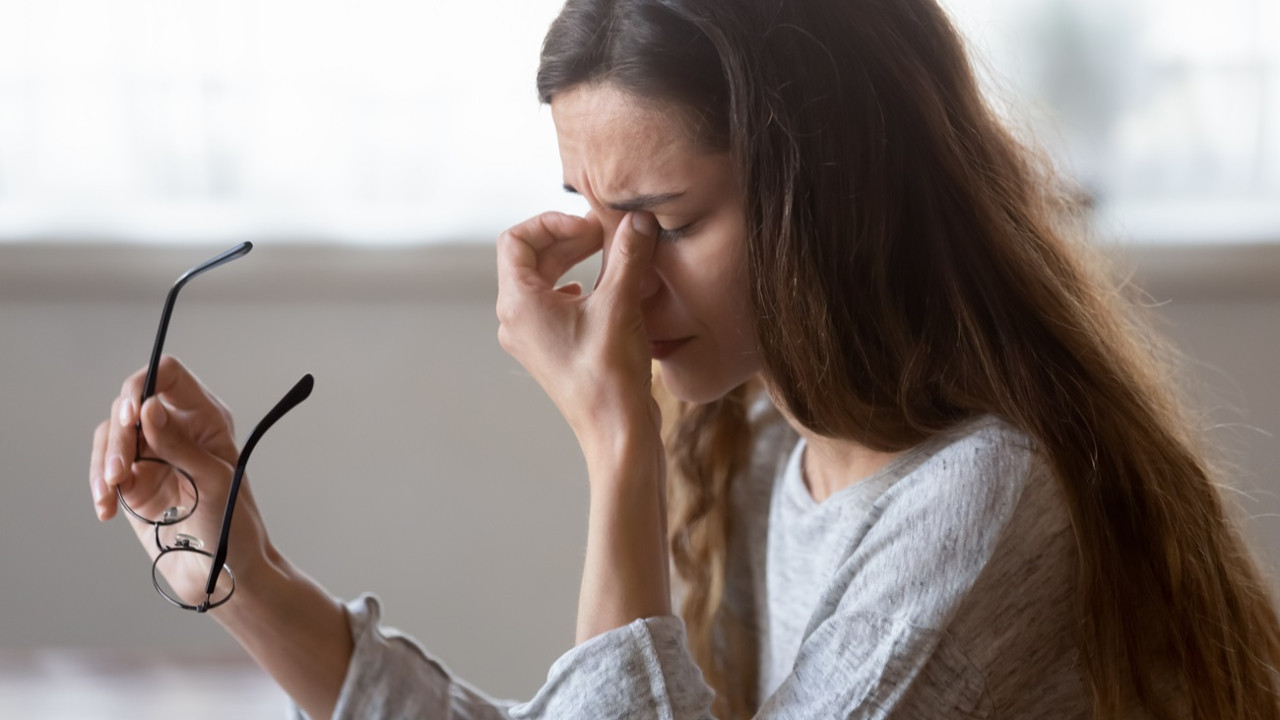
Millions of contact lens wearers may be unknowingly putting their vision at serious risk by sleeping in their lenses, eye health experts warn. A growing body of medical advice highlights how this seemingly harmless habit can lead to severe eye infections—and even vision loss.
The Hidden Danger of Overnight Lens Leverage
Contact lenses offer convenience and an alternative to glasses, but improper use can have devastating consequences. One of the most common—and dangerous—mistakes is wearing lenses while sleeping, a practice that deprives the cornea of essential oxygen, according to Dr. Uğur Tunç, an ophthalmologist and assistant professor at Medipol University’s Acıbadem Regional Hospital in Istanbul.

“When a contact lens remains on the eye, the cornea cannot get enough oxygen,” Dr. Tunç explained. “This problem becomes even worse during sleep since the eye is closed, cutting off its oxygen supply almost entirely. Over time, this can lead to serious complications.”
Why Oxygen Matters for Eye Health
The cornea, the eye’s clear outer layer, relies on oxygen from the surrounding air to stay healthy. Unlike other parts of the body, it has no blood vessels to deliver oxygen, making it especially vulnerable to suffocation when covered by a lens for extended periods.
“The most severe consequence of sleeping in contact lenses is infection,” Dr. Tunç warned. “Corneal infections are extremely serious and, in advanced cases, may require a corneal transplant to restore vision.”
Beyond Sleep: Other Common Lens Mistakes
While sleeping in lenses is one of the most hazardous habits, experts also caution against exposing lenses to tap water. Dr. Tunç emphasized that even a quick rinse under the faucet can introduce harmful bacteria and parasites to the eye, increasing the risk of infection.
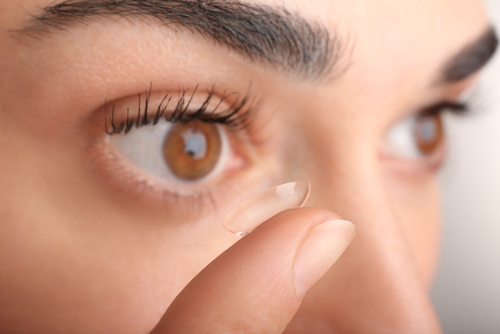
“Tap water contains microorganisms that can thrive on a contact lens, creating a breeding ground for infection,” he said. “Lenses should never come into contact with water—whether from the sink, shower, or swimming pool.”
A Public Health Concern
With contact lens use widespread—particularly among younger adults and those with active lifestyles—experts urge better education on proper lens care. Many users underestimate the risks of seemingly minor shortcuts, like napping in lenses or skipping disinfection steps.
“Contact lenses are medical devices, not fashion accessories,” Dr. Tunç noted. “When used correctly, they’re safe and effective. But ignoring basic hygiene and usage guidelines can turn them into a serious health threat.”
For those who struggle with lens removal at the finish of a long day, experts recommend setting a nightly reminder or keeping a backup pair of glasses handy. The few extra minutes spent on proper lens care could prevent irreversible damage to one of the body’s most delicate organs.
