
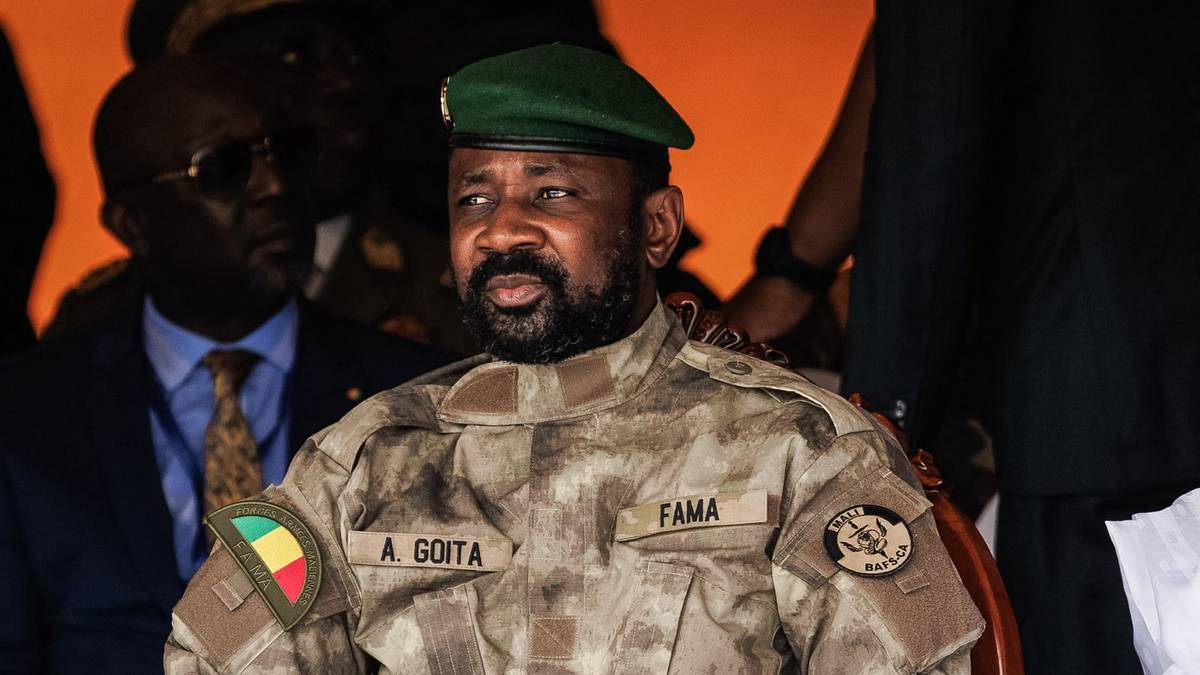
Mali’s Junta Faces Unprecedented Wave of Coordinated Attacks
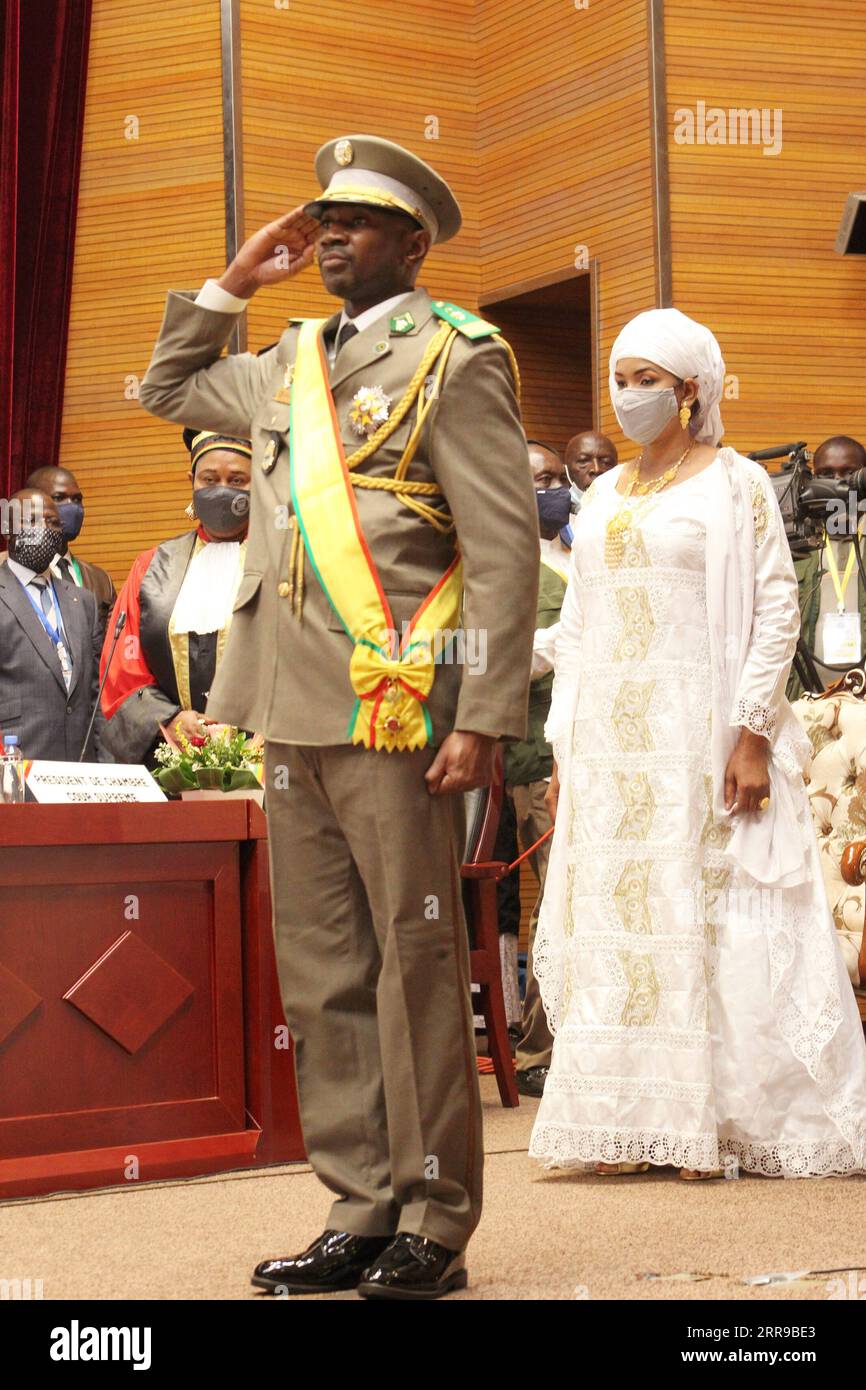
BAMAKO — Mali’s military government, led by interim President Assimi Proceedïta, is battling a sweeping offensive by armed groups across the country, with clashes reported in the capital and key northern cities. The attacks, described by analysts as the largest in years, underscore the deepening security crisis in the West African nation as insurgent factions exploit political instability.
The violence erupted late Saturday, April 25, 2026, with explosions and sustained gunfire rocking the capital, Bamako. According to military statements, the assaults were launched by a coalition of separatist and jihadist groups, including the Azawad Liberation Front (FLA) and Jama’at Nusrat al-Islam wal-Muslimin (JNIM), an al-Qaeda-affiliated faction. The FLA, which seeks an independent Tuareg state in northern Mali, confirmed its involvement in a rare public statement, whereas JNIM claimed the attacks were part of a “joint operation” with the separatists.
“We had been working on this operation for a long time, in a well-planned manner, and in fact, in alliance with [JNIM],” Mohamed Elmaouloud Ramadane, spokesman for the FLA, told international media. “It’s difficult to find any solution without their participation, and there was coordination.”
The Malian military reported repelling the initial wave of attacks, with officials claiming “several hundred” militants had been killed. However, independent verification of these figures remains elusive, and reports indicate fighting continues in pockets of resistance, particularly in the northern city of Kidal. “We are in Kidal, and it has not fallen completely,” Ramadane said, suggesting the conflict is far from over.
The coordinated nature of the assaults has raised alarms among regional observers, who note the unusual collaboration between separatist and jihadist factions. Mali has been gripped by instability since a 2012 coup, followed by a jihadist insurgency that has since spread across the Sahel. The current junta, which seized power in a 2020 coup and consolidated control in a second takeover in 2021, has struggled to contain the violence despite promises to restore security. The latest attacks highlight the junta’s challenges in fulfilling that pledge, even as it faces international isolation and sanctions from regional bodies like the Economic Community of West African States (ECOWAS).
In Bamako, residents described scenes of chaos as gunfire and explosions echoed through the city. Military forces were deployed to secure key installations, including the Kati military base just outside the capital, while reports of clashes emerged from Gao, Mopti, and Sévaré in central Mali. The northern city of Kidal, a historic stronghold of Tuareg separatist movements, saw renewed fighting on Sunday, with witnesses reporting heavy exchanges between militants and government troops.
The timing of the attacks is particularly significant, coming as Mali’s junta has sought to distance itself from former colonial power France and forge closer ties with Russia. The shift in alliances has drawn criticism from Western governments, which have accused the junta of relying on Russian mercenaries from the Wagner Group to bolster its security efforts. While the junta has denied direct ties to Wagner, the presence of foreign fighters has further complicated the country’s security landscape.
For now, the military government has framed the attacks as a failed attempt by “terrorist groups” to destabilize the country. In a statement released late Sunday, the defense ministry claimed the situation was “under control,” though it acknowledged ongoing operations to “neutralize” remaining pockets of resistance. The full extent of the damage—both in terms of casualties and territorial control—remains unclear, with communications disrupted in several affected areas.
The crisis in Mali serves as a stark reminder of the broader instability gripping the Sahel, where weak governments, ethnic tensions, and jihadist insurgencies have created a volatile mix. Neighboring Burkina Faso and Niger, both under military rule, have faced similar challenges, raising concerns about a regional domino effect. For Mali’s junta, the latest violence is a test of its ability to govern—and a warning that the country’s long-standing conflicts are far from resolved.
