
Bulgaria’s national football team failed to qualify for an upcoming major tournament following a disappointing defeat to Georgia, marking the end of a campaign plagued by setbacks and internal strife. Onc a celebrated program boasting successes in the 1994 world Cup and Euro 1996, Bulgarian football now faces a reckoning as critics point to systemic issues and questionable leadership within the Bulgarian Football Union [[1]]. This report, filed by *Tema Sport’s* Petar Zdravkov, examines the deep-rooted problems threatening the future of the sport in the nation.
Bulgaria’s hopes of qualifying for a major tournament ended with a disappointing result against Georgia, bringing a frustrating campaign to a close. The match concludes a period of intense scrutiny for Bulgarian football, and mercifully ends the international breaks that have been a source of frustration for fans.
Many observers believe the current struggles stem from decisions made by figures connected to the glory days of the 1993 “Park de Prince” squad and the 1994 World Cup team in the United States. Critics argue that actions – and inactions – by those with influence have systematically undermined the development of Bulgarian football, leading to the national team’s current state of ridicule.
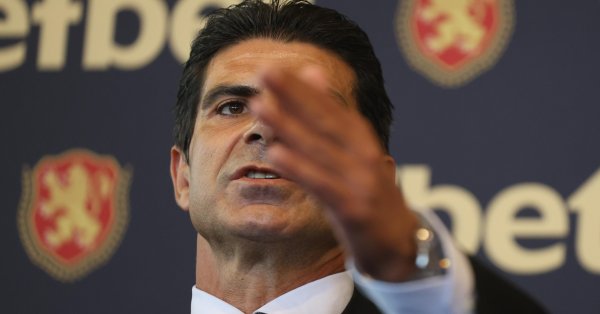
The national team has become a symbol of failure in Bulgaria, a nation that once celebrated significant footballing achievements. Currently, the leadership of Bulgarian football rests with Georgi Ivanov-Gonzo, a figure popular in Sofia and his hometown of Plovdiv, but widely seen as lacking the coaching and sporting director experience needed to turn things around.
Ivanov’s appointment is viewed by many as a continuation of the problematic leadership of Borislav Mikhailov, the former goalkeeper. The same issues persist – a similar executive committee, superficial attempts at reform, a toxic atmosphere surrounding the national team, and the same tired excuses offered after each defeat by the same veteran voices. Those excuses often center on the fact that Bulgarian players aren’t competing in top European leagues, a valid point, but one that masks the deeper issues of professional incompetence and a lack of public trust in those running the game.
The claim that a lack of quality players explains the recent defeats – particularly the shocking losses to Northern Ireland and the struggles against Georgia and Turkey – is easily challenged. Between 2016 and 2018, Bulgaria recorded impressive home victories against the Netherlands (2-0), Sweden (3-2), and Norway (1-0). Just three days before the win over Norway, they secured a 2-1 away victory against Slovenia.
These successes came under the guidance of Petar Hubchev, who, in a relatively short period, managed to reconnect the national team with Bulgarian fans and alleviate some of the long-standing negativity. Now, the situation has reached a critical point, and a simple change of coach won’t be enough to address the systemic problems. A superficial fix would be just another illusion of progress. Following this embarrassing qualifying campaign, and given the continued decline of the domestic league, a complete overhaul of the Bulgarian Football Union is needed – a fresh start with individuals dedicated to the betterment of the game.
Material by Petar Zdravkov, “Tema Sport”
