

Marine biologists discovered a massive accumulation of whale skeletons on the floor of the Indian Ocean, according to research published in the journal Deep Sea Research Part I. The site, located in the Ninety East Ridge, contains the remains of multiple cetaceans, providing a rare window into deep-sea ecosystems and carbon sequestration.
Discovery at the Ninety East Ridge
The site was identified during a deep-sea exploration mission conducted by the Schmidt Ocean Institute. Utilizing remote-operated vehicles (ROVs), researchers documented an unusual concentration of biological remains at depths exceeding 4,000 meters. While “whale falls”—the term used by scientists to describe the death and sinking of a whale—are known to support localized biodiversity for decades, the density of remains at this specific location suggests a unique convergence of geological and biological factors.
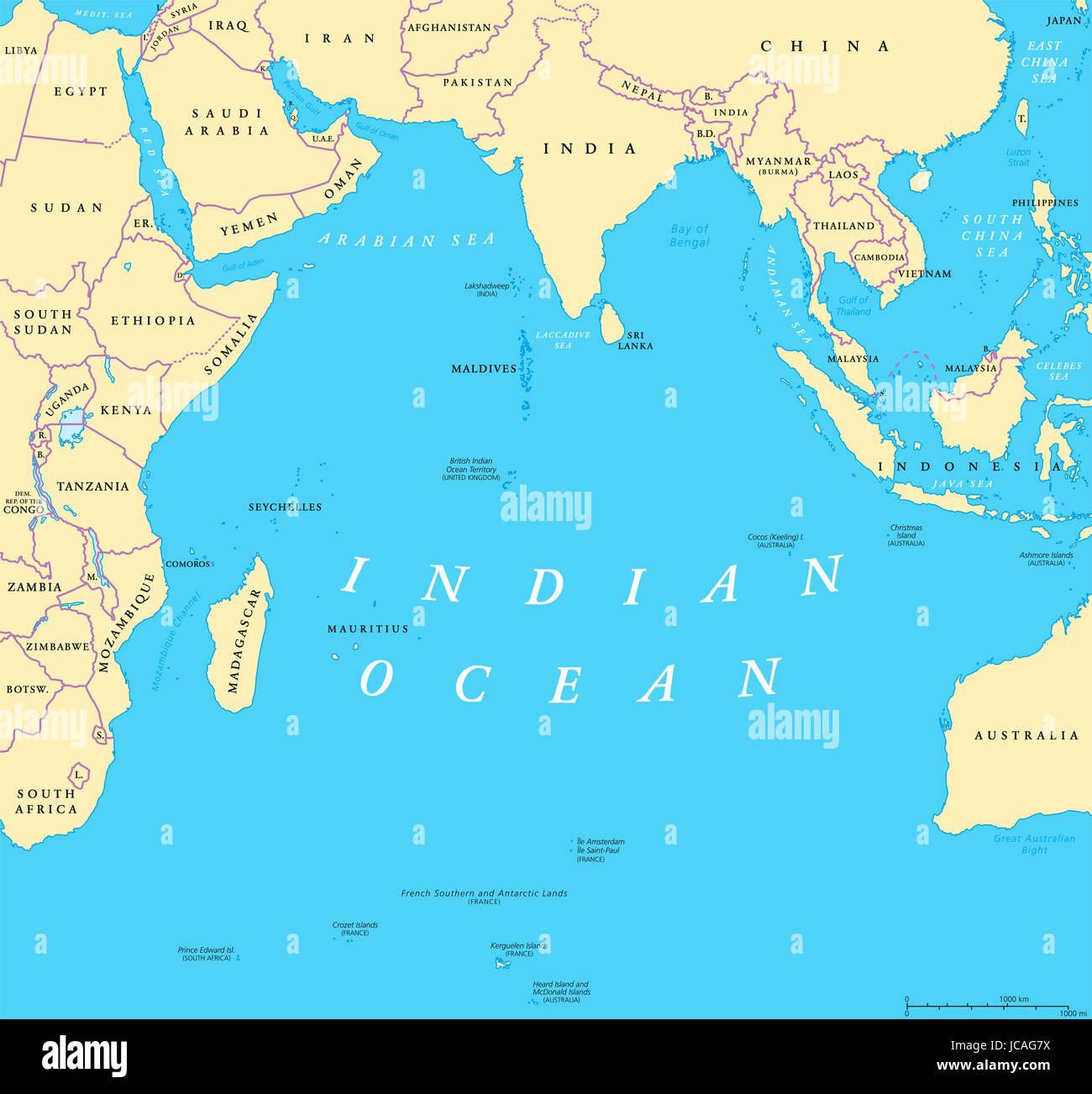
The Ninety East Ridge is a significant aseismic ridge in the Indian Ocean, extending over 5,000 kilometers. Its complex topography creates varying flow regimes, which researchers believe may influence the deposition of organic material. Unlike the surrounding abyssal plains, which are often characterized by soft, nutrient-poor sediment, the ridge features rugged terrain that can trap falling carcasses, preventing them from being swept away by deep-ocean currents.
According to Dr. Tim Shank, a lead biologist at the Woods Hole Oceanographic Institution, the site functions as a long-term nutrient hub. The skeletons provide essential energy for specialized organisms, including bone-eating Osedax worms and various crustacean species that have adapted to the high-pressure, low-temperature environment of the abyssal plain.
Ecological Significance of Whale Falls
The presence of these skeletons highlights the role of megafauna in the deep-sea carbon cycle. When a whale carcass reaches the seafloor, it delivers a massive pulse of organic carbon to an environment that is typically nutrient-poor. This phenomenon creates a “biological oasis” that can persist for years.

The process of a whale fall typically occurs in three distinct stages. First, mobile scavengers such as sleeper sharks, hagfish, and rattail fish strip away the soft tissues. This stage can last from months to a few years. Second, the enrichment-opportunist stage occurs, where polychaete worms and crustaceans colonize the nutrient-rich sediments surrounding the bones. Finally, the sulfophilic stage begins, where anaerobic bacteria break down the lipids stored within the whale’s bones, releasing hydrogen sulfide. This chemical energy supports chemosynthetic organisms, including the Osedax worms, which possess specialized root-like structures to bore into the bone and extract nutrients.
The findings in the Indian Ocean differ from previous studies in the Atlantic and Pacific, which often observe single, isolated whale falls. The concentration in the Ninety East Ridge suggests that underwater currents or seafloor topography may be trapping organic matter in specific zones.
The accumulation we observed is not merely a collection of bones, but a complex, multi-stage habitat that sustains a succession of specialized communities over long temporal scales. It is a critical component of the deep-ocean food web that we are only beginning to quantify. — Dr. Tim Shank
Comparative Analysis of Deep-Sea Biodiversity
While the Indian Ocean site is notable for its density, researchers emphasize that these environments remain largely under-mapped. Comparisons with previous data from the Pacific Ocean show that while the species occupying the skeletons—such as Osedax—share common traits, the specific composition of the surrounding scavenger communities varies significantly based on regional water chemistry and current patterns. The Pacific sites, often studied near the Monterey Canyon, have provided the foundational understanding of how these ecosystems function, but the Indian Ocean data suggests that regional biodiversity may be more distinct than previously assumed.
This discovery serves as a baseline for future studies regarding how climate-driven changes in surface ocean temperatures might affect the frequency and distribution of whale falls. If whale populations shift their migration routes or decline due to environmental stressors, the deep-sea ecosystems that rely on these “falls” for nutrient input could face long-term instability. The carbon sequestration capacity of these falls is also a subject of increasing interest as scientists work to understand the global carbon budget and the role of the ocean in mitigating atmospheric carbon.
Future Research and Monitoring
The research team plans to return to the site to deploy long-term sensors. These tools will monitor the rate of bone degradation and the arrival of new scavenger species. Understanding the timeline of these ecological successions is essential for broader marine conservation efforts, particularly as human activity increases in deep-sea regions through potential mineral exploration and cable laying. The deep seafloor is increasingly viewed as a frontier for resources, but the discovery of such high-density biological sites underscores the environmental risks associated with industrial activity in these remote, fragile habitats.
For now, the site remains a protected area of interest for the oceanographic community, serving as a rare, undisturbed laboratory for studying how life persists in the most extreme conditions on the planet. The team’s findings underscore the necessity of protecting the deep-sea floor, which serves as a repository for biological diversity that remains largely hidden from surface observation. Future missions are expected to utilize high-resolution mapping technologies to determine the full extent of the skeleton distribution along the ridge, potentially revealing even more sites that have remained hidden for centuries.
Find more reporting in our Tech section.
