
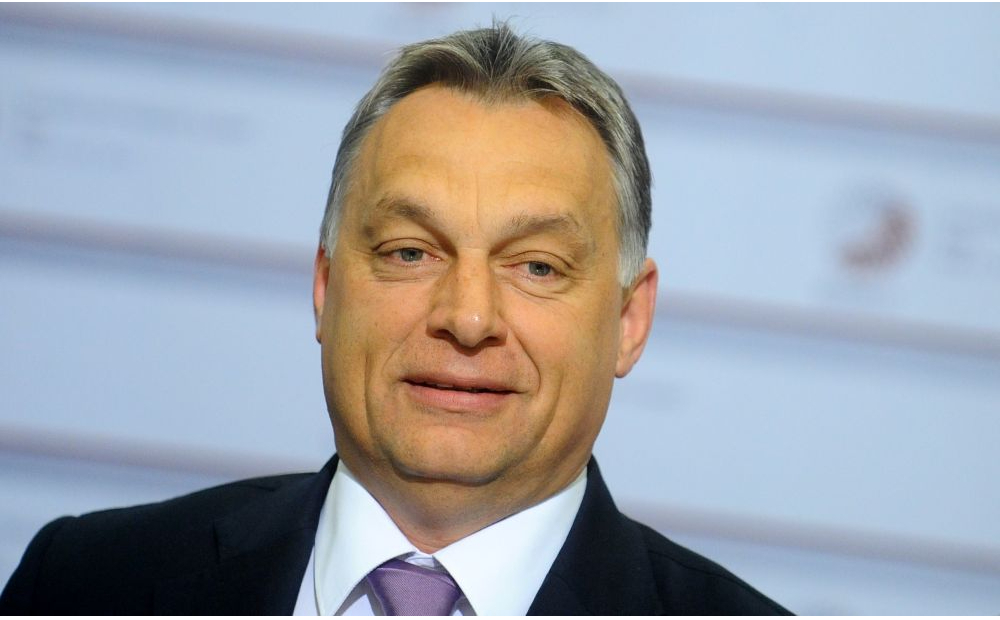
Hungary has entered a period of profound political transition following the elections on April 12, 2026. The heavy defeat of Viktor Orbán marks a potential pivot in the European Union’s internal dynamics, arriving alongside bombshell revelations regarding the former Prime Minister’s clandestine relationship with the Kremlin.
Leaked transcripts obtained by Bloomberg reveal a startling power dynamic during a phone call in October. In the recording, Orbán expressed his readiness to assist Russian President Vladimir Putin in “any way possible,” including an offer to host a summit in Budapest to support resolve the war in Ukraine. To illustrate his submission, Orbán referenced an Aesop fable, likening himself to a mouse and Putin to a lion—a comparison that reportedly drew laughter from the Russian leader.
Beyond rhetoric, documents obtained by Politico suggest a formal, hidden framework for cooperation. A 12-point collaboration plan, reportedly signed by Hungarian Foreign Minister Péter Szijjártó and Russian Health Minister Mikhail Murashko following meetings in Moscow last December, outlines cooperation in energy, trade, education, and culture. While the document claimed not to conflict with Hungary’s EU obligations, analysts suggest it highlights fundamental divergences from European policy.
This secret alignment manifested as tangible obstacles for the West. Orbán’s government had been blocking the 20th EU sanctions package against Russia and a €90 billion EU loan intended for Ukraine. Reports indicate that Minister Szijjártó provided the Kremlin with information regarding internal EU discussions, including talks about removing the sister of a Russian billionaire from sanctions lists.
The tide turned on April 12, as the victory of the latest leader, Maģars, signals a departure from this trajectory. The Kremlin has already reacted to Maģars’ victory and his recent statements concerning Putin. The new administration has signaled a bold first-day plan, which includes intentions to unblock billions in aid for Ukraine.
However, some observers warn that the transition may be slow, suggesting that a “corruption tumor with metastases” will not vanish overnight. Despite these concerns, the reflections of the Hungarian elections in Latvia and other Baltic states underscore the regional significance of this shift. The impact of Orbán’s defeat on Latvian politics is expected to be substantial as the EU seeks to restore unity on its eastern flank.
The shift in Budapest is more than a local electoral change. it is a geopolitical realignment. The revelation of Orbán’s subservience to Putin provides a grim backdrop to the new administration’s challenges as they attempt to reintegrate Hungary into the European mainstream.
