
US Launches Naval Blockade of Strait of Hormuz Amid Collapsing Iran Talks
The United States has initiated a strategic naval blockade of the Strait of Hormuz to exert maximum pressure on Iran, with President Trump issuing orders to destroy any vessel attempting to breach the established maritime line. This aggressive escalation comes as the U.S. Disregards warnings from Tehran regarding potential retaliatory actions across the region.
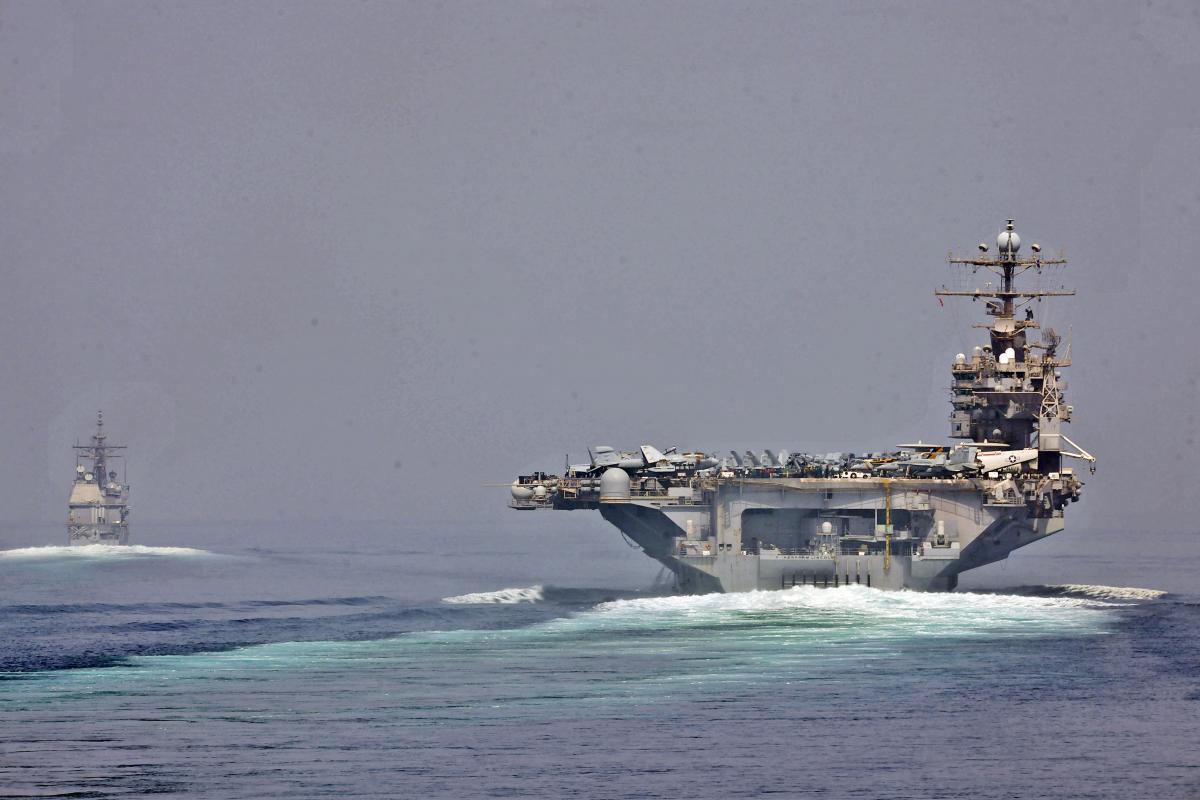
The operation officially commenced at 9:00 PM Thai time on April 14, 2026, focusing on the blockade of ships entering and exiting Iranian ports. This decisive move underscores growing regional tensions and signals a shift toward more direct military confrontation.
Despite the U.S. Push for a coordinated international front, NATO allies have refused to participate in the blockade plan. The lack of consensus among Western partners highlights a diplomatic rift regarding the Trump administration’s approach to the crisis.
Within Iran, the failure of recent diplomatic negotiations with the United States has sparked widespread anxiety. According to reports on how Iranian citizens are reacting, there is deep concern over the potential for an all-out conflict following the breakdown of talks.
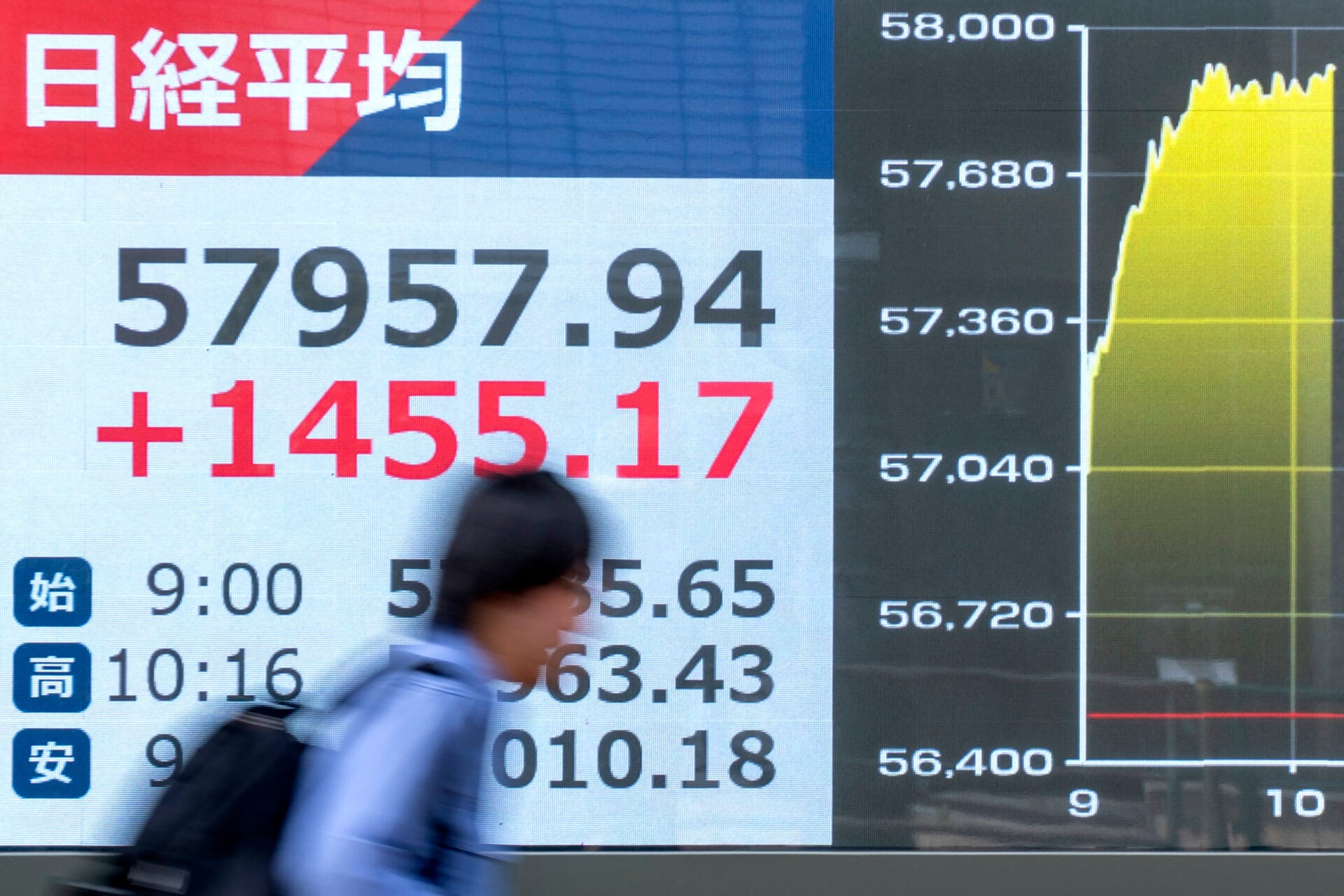
Global markets have reacted with significant volatility. While the threat of conflict looms, Asian stock markets surged and crude oil prices declined, driven by lingering hopes that a peace agreement could still be reached. Specifically, the Nikkei and KOSPI indices saw gains following reports of a possible ceasefire, though investors remain cautious as they monitor the deadline for potential strikes on Iran.
The announcement could influence future diplomatic talks, as the international community weighs the impact of the blockade on global energy supplies and regional stability. Meanwhile, the U.S. Military remains on high alert to enforce the blockade of the Hormuz Strait.
