
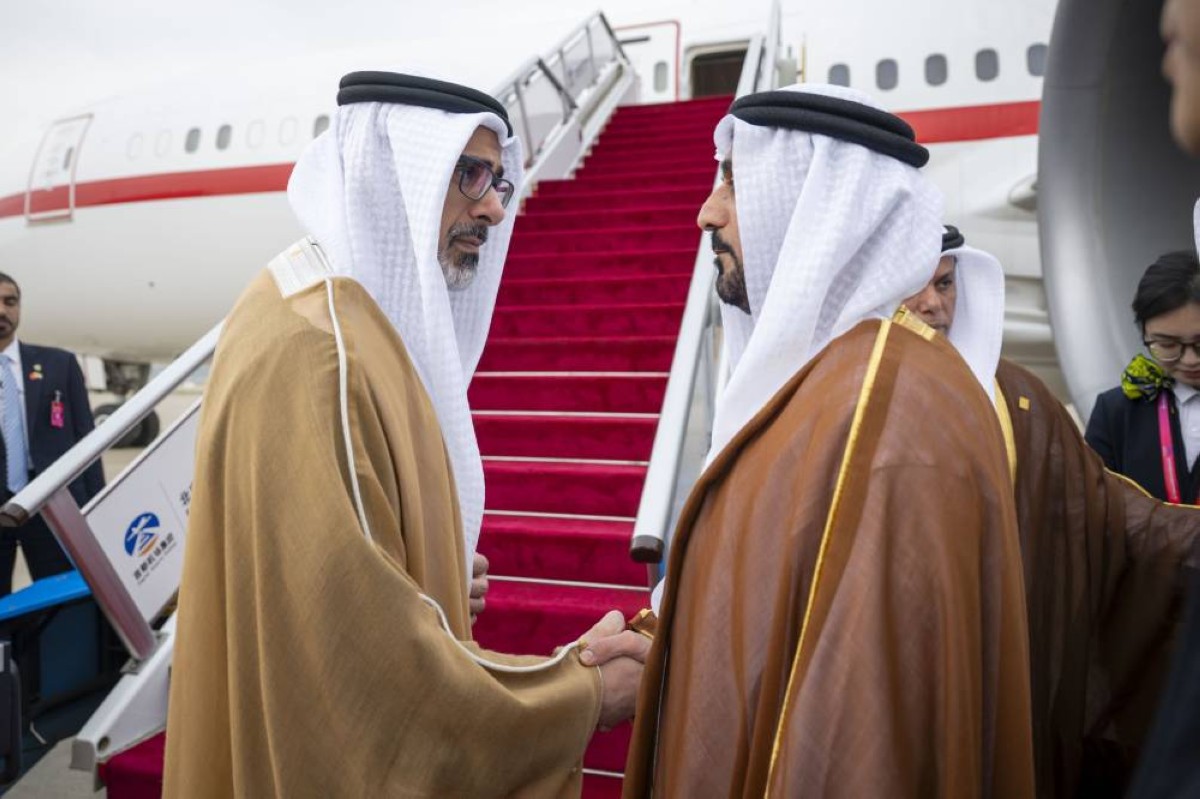
Sheikh Khaled bin Mohammed bin Zayed Al Nahyan, the Crown Prince of Abu Dhabi, has concluded an official visit to Beijing, marking a significant shift in the strategic relationship between the United Arab Emirates and China. The visit focused on evolving the bilateral partnership from traditional cooperation toward a more integrated alliance centered on innovation, technology, and sustainable economic growth.
During the visit, the Crown Prince met with Chinese President Xi Jinping. During the meeting, Sheikh Khaled conveyed greetings from UAE President Sheikh Mohamed bin Zayed Al Nahyan, emphasizing the UAE leadership’s commitment to strengthening ties with the Chinese people. President Xi praised the ongoing development of bilateral relations and expressed his wishes for the continued progress and prosperity of the UAE.
The diplomatic mission resulted in the signing of 24 agreements and memoranda of understanding, signaling a comprehensive expansion of cooperation. These agreements are designed to drive investment exchange and foster growth in several priority sectors, most notably clean energy—a field where China holds global leadership and the UAE seeks to advance its climate neutrality goals. The discussions also emphasized the localization of advanced technology and the transfer of knowledge to support the developmental agendas of both nations.
Beyond economic ties, the visit addressed regional stability and human capital. Reports indicate that President Xi presented four proposals aimed at achieving peace in the Middle East. The Crown Prince met with Emirati students currently studying in Beijing, underscoring the educational and cultural dimensions of the partnership.
The visit also included high-level discussions with other Chinese officials, including the Premier of the State Council. These talks were complemented by the UAE-China Economic Forum, which served as a platform to explore new avenues for the strategic partnership. This move underscores the UAE’s strategy to diversify its international alliances and secure technological sovereignty through deep integration with global economic powerhouses.
