
Iran has not yet decided whether to participate in upcoming talks with the United States, Tehran said on April 19, amid escalating tensions over regional security and maritime access.
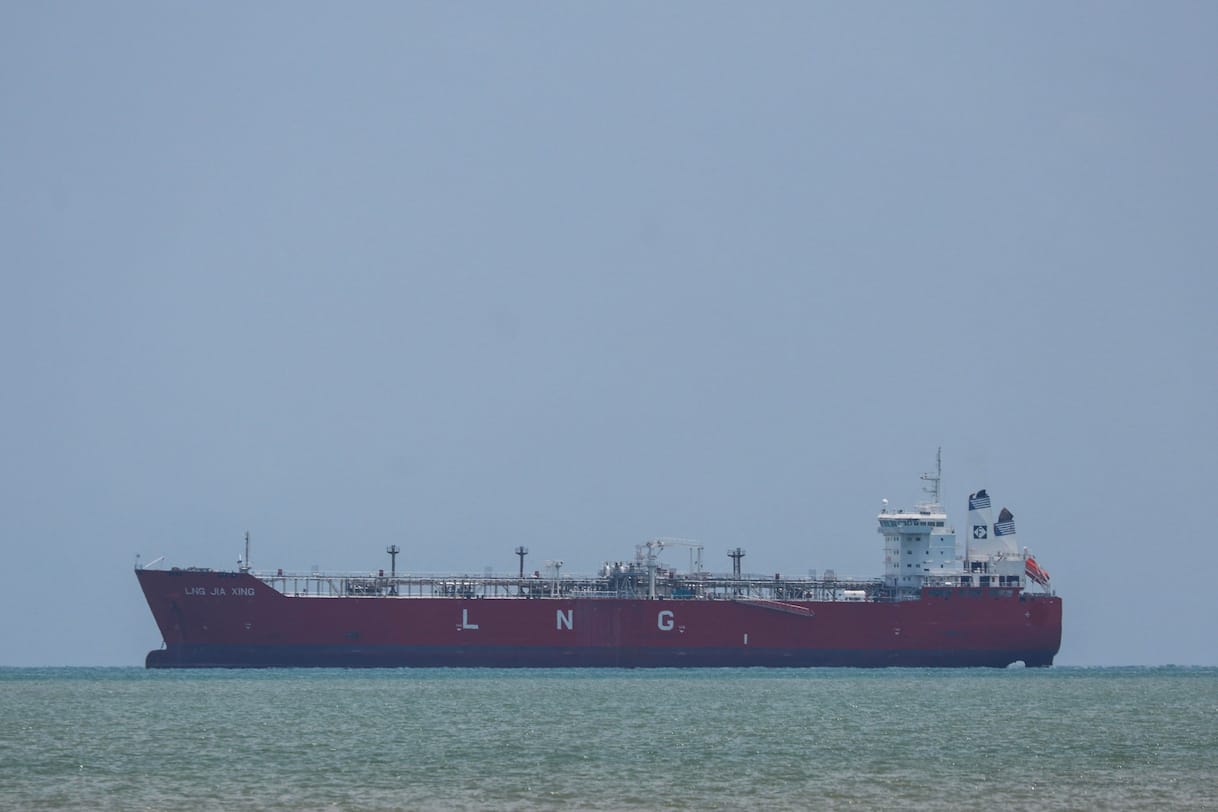
Speaking live on state media, Iranian officials confirmed that no final decision has been made regarding engagement in negotiations, despite repeated U.S. Efforts to initiate dialogue. The remarks came as Washington intensified pressure, asserting control over an Iranian vessel it said had attempted to breach a maritime blockade near the Strait of Hormuz.
“We have not yet decided whether to capture part in the talks,” an Iranian spokesperson stated, according to Sky TG24. The comment underscored Tehran’s cautious stance, even as U.S. President Donald Trump warned that Pakistan faces a choice between reaching an agreement or facing destruction—a statement reported by ANSA and widely circulated across international wires.
Trump’s warning, delivered during a briefing on April 19, framed the situation as a binary outcome for Islamabad, though no direct link was established between Pakistan’s role and the Iran-U.S. Standoff. Iranian officials dismissed the U.S. Demands as excessive, reiterating that no negotiations would occur under current conditions.
The Strait of Hormuz, a critical chokepoint for global oil shipments, remains closed to certain traffic following recent incidents, further heightening concerns about supply disruptions. Iranian Revolutionary Guard Corps officials, cited by la Repubblica, expressed deep skepticism about U.S. Intentions, warning they would not attend any summit perceived as a trap.
“We will not be at the summit,” a Pasdaran commander said, reflecting widespread distrust within Iran’s military leadership toward American diplomatic overtures. The sentiment was echoed in reports from Il Fatto Quotidiano, which noted that while U.S. Envoys were present in Pakistan for regional discussions, Iran remained unwilling to engage, citing its belief that it holds a strategic advantage—particularly in missile capabilities, which officials claimed constitute 70% of its deterrent strength.
Despite the lack of direct talks, both sides have exchanged sharp rhetoric. Tehran warned it would “react soon” to perceived provocations, while the U.S. Maintained that its actions were defensive and aimed at ensuring freedom of navigation. The developments follow a second round of proposed negotiations that Iran reportedly rejected, as noted by Corriere della Sera.
The standoff carries significant global implications, given the Strait of Hormuz’s role in transporting approximately one-fifth of the world’s petroleum. Any escalation risks disrupting energy markets and triggering broader regional instability, particularly as diplomatic channels appear increasingly strained.
For now, neither side has signaled a willingness to de-escalate, leaving the situation fluid and closely watched by international observers. As of April 19, 2025, the path to dialogue remains uncertain, with mistrust and strategic posturing defining the current phase of the confrontation.
