

EU Prepares for Diplomatic Talks as Russia Faces Escalating Attacks and Environmental Fallout
As European leaders brace for potential high-stakes diplomatic engagements, Russia is grappling with the fallout from a series of devastating strikes on its oil infrastructure, environmental disasters, and a surge in Ukrainian attacks using drones and robotic systems. The developments underscore the widening scope of the conflict in Ukraine and its ripple effects across global energy markets and regional security.
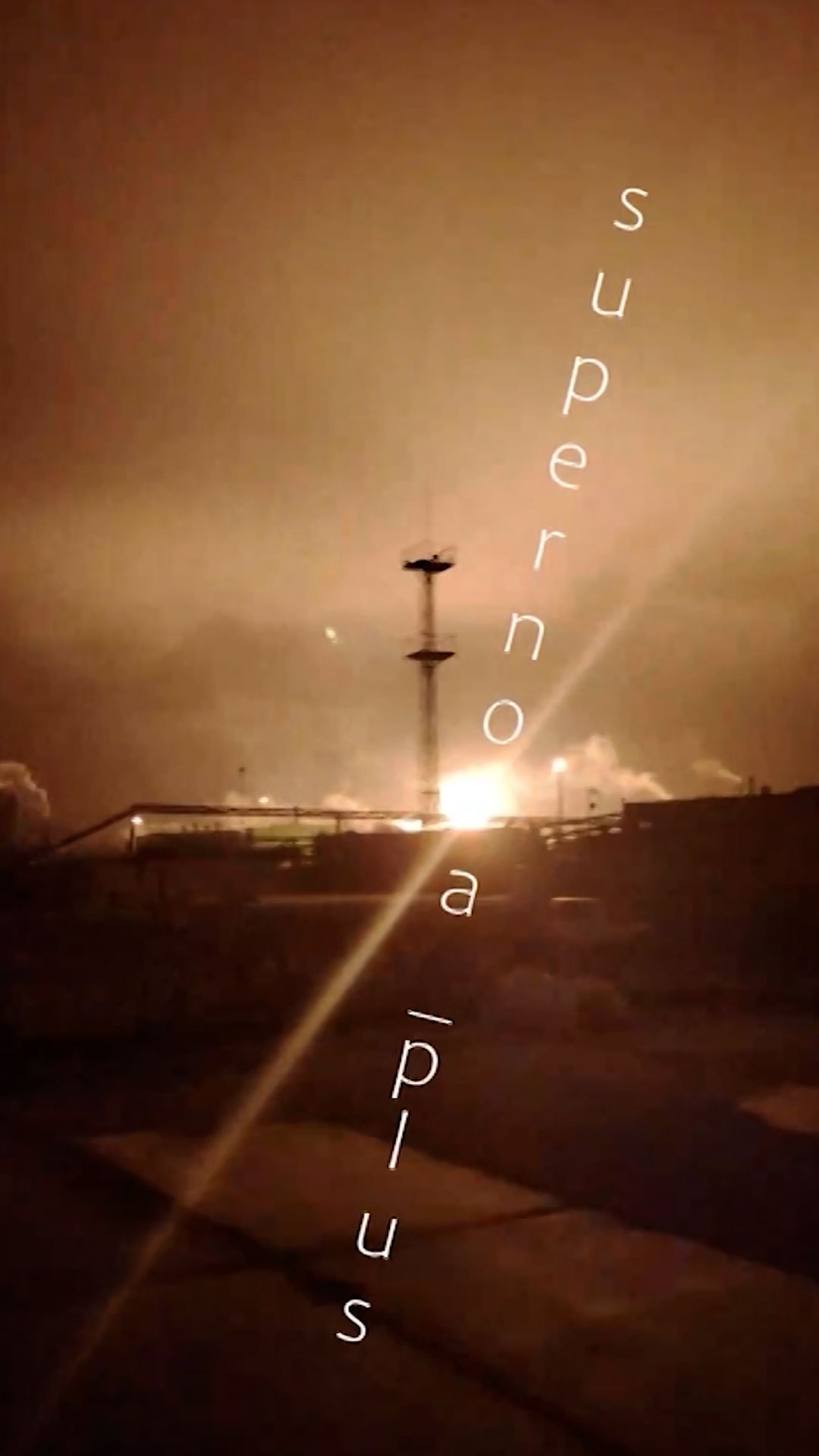
The European Union is reportedly preparing for discussions with Russian officials, though no direct meetings with President Vladimir Putin have been confirmed. Meanwhile, Ukrainian forces have intensified their campaign against Russian military and economic targets, including a major oil refinery in Tuapse that has left the city blanketed in toxic “oil rain” and thick black smoke.
Environmental Catastrophe in Tuapse
In the Black Sea port city of Tuapse, residents are confronting an ecological nightmare after Ukrainian strikes on a Russian oil refinery. Witnesses described a surreal scene of black, oily particles falling from the sky, coating streets and surfaces in a thick, viscous substance. The strikes ignited massive fires that sent plumes of smoke hundreds of kilometers into the air, creating a visible marker of the conflict’s environmental toll.
Local reports indicate that the fires have caused significant pollution, with toxic fumes spreading across the region. The environmental disaster has drawn international attention, highlighting the broader consequences of the war in Ukraine for both human health and ecosystems.
Satellite images confirm the extent of the damage, with smoke visible for over 300 kilometers, reaching as far as the neighboring Stavropol region. The incident has prompted concerns about long-term environmental damage and the potential for further contamination of the Black Sea.
Ukraine Ramps Up Attacks with Drones and Robotic Systems
Ukrainian forces have announced plans to escalate their use of drones and robotic systems in attacks against Russian targets. Recent operations have focused on critical infrastructure, including energy facilities and fuel depots, aiming to disrupt Russia’s military-industrial complex. Ukrainian intelligence sources have confirmed a series of drone strikes on energy plants and storage facilities in regions like Belgorod, resulting in civilian casualties and widespread power outages.
These attacks are part of a broader strategy to target the pillars of Russia’s economy and war machine, including oil refineries, power grids, and logistics hubs. The use of advanced drones and robotic systems reflects Ukraine’s growing technological sophistication and its determination to inflict maximum damage on Russian capabilities.
Shadow Fleet Strikes Russian Port and Tankers
In a separate development, Ukrainian forces have reportedly targeted a Russian port and multiple tankers using a “shadow fleet” of vessels. The attacks are seen as an attempt to disrupt Russia’s ability to transport and refine oil, further isolating its economy and complicating its war efforts. The shadow fleet operations highlight the creative and adaptive tactics being employed by Ukrainian forces to counter Russian dominance at sea.
As the conflict enters a new phase, the international community watches closely. The EU’s diplomatic preparations, coupled with the escalating attacks on Russian infrastructure, signal a shifting dynamic in the war in Ukraine. The environmental and economic consequences of these strikes are likely to resonate far beyond the battlefield.
The environmental and economic fallout from the strikes in Tuapse and other Russian targets underscores the far-reaching impact of the war in Ukraine, affecting not only the region but also global energy markets and security dynamics.
For ongoing updates on this developing story, visit our World section.
