
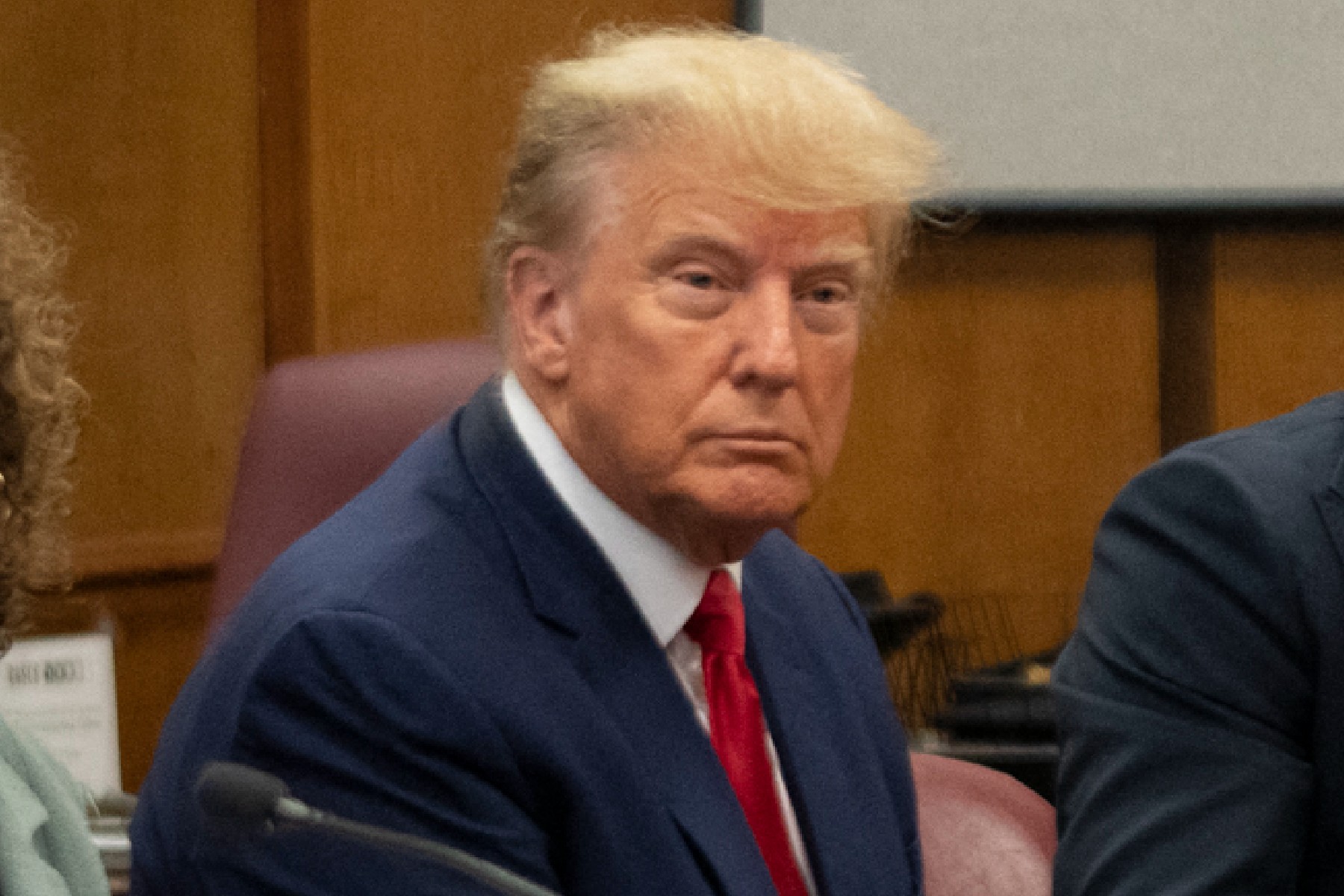
U.S. President Donald Trump announced on May 19, 2026, that he had paused a planned military strike on Iran after Gulf leaders urged restraint amid ongoing negotiations, while Tehran’s Supreme Leader Mojtaba Khamenei reaffirmed diplomacy as the preferred path over conflict. A temporary ceasefire since April 8 has held, though tensions persist over Iran’s nuclear program and regional drone attacks.
Trump Halts Strike as Diplomacy Takes Center Stage
President Donald Trump’s decision to postpone a planned attack on Iran—scheduled for May 20—marks a rare moment of diplomatic reprieve in a conflict that has escalated since March. In a series of posts on Truth Social, Trump initially warned Iran that the clock is ticking
, before reversing course after consultations with Gulf leaders. Saudi Arabia, Qatar, and the United Arab Emirates reportedly urged the U.S. to delay military action to allow negotiations to proceed, citing concerns over further destabilization in the region.


The shift comes as Iran’s Supreme Leader Mojtaba Khamenei has reiterated that diplomacy remains the far wiser
path than war, framing U.S. demands for concessions as an illusion
. Khamenei’s stance aligns with Iran’s recent proposal to Washington, delivered through Pakistan, aimed at preventing Tehran from advancing its nuclear program—a central U.S. demand. However, both sides remain far from a final agreement, with Iran insisting on lifting sanctions as a precondition for further talks.
Trump’s announcement followed a weekend of heightened tensions, including Saudi Arabia’s interception of three drones and a reported attack on the Barakah Nuclear Energy Plant in the UAE. These incidents have raised fears of a broader regional escalation, particularly as Iran and Israel continue indirect hostilities through proxy conflicts in Lebanon and Yemen.
The Ceasefire’s Fragile Hold
A temporary ceasefire declared on April 8 has largely held, though armed clashes have not been entirely halted. The pause has allowed for indirect negotiations, primarily facilitated by Pakistan, to explore a long-term settlement. However, distrust runs deep: Iran’s Islamic Consultative Assembly has accused the U.S. of using the talks as a stalling tactic, while American officials have criticized Iran’s refusal to halt uranium enrichment entirely.
Key sticking points include Iran’s demand for sanctions relief in exchange for nuclear rollbacks and the U.S. insistence on verifiable, irreversible constraints on Tehran’s nuclear capabilities. The April 8 ceasefire was initially framed as a humanitarian pause
, but its extension into May suggests both sides recognize the risks of renewed large-scale conflict.
Regional allies of the U.S., particularly Saudi Arabia and Israel, have expressed skepticism about the negotiations’ viability. Israeli airstrikes in Lebanon since March have killed at least 3,073 people, according to Lebanon’s Health Ministry, underscoring the human cost of the proxy war. Meanwhile, Iran’s ballistic missile tests and drone attacks on Gulf infrastructure have kept pressure on Washington to respond militarily.
What’s Next: Negotiations or Escalation?
With Trump’s strike paused but not canceled, the coming days will determine whether diplomacy can gain traction. Iran’s latest proposal, delivered through Pakistan, is seen as a potential opening—but U.S. officials have not yet confirmed whether they will engage directly with Tehran’s terms. The Biden administration’s approach to Iran has shifted under Trump, who has taken a harder line on nuclear enforcement while signaling openness to a deal that avoids direct confrontation.
Analysts warn that the window for a breakthrough is narrow. The UAE’s Barakah Nuclear Plant attack—widely attributed to Iranian-backed groups—has reignited calls in Washington for a firmer response. Meanwhile, Iran’s domestic political landscape remains volatile, with hardliners in the Islamic Consultative Assembly pushing back against any concessions perceived as weakness.
For now, the focus remains on whether the ceasefire can be converted into a lasting agreement. If negotiations stall, the risk of accidental escalation—or a deliberate strike—will rise. The Gulf states’ role as mediators is critical, but their own security concerns may limit their ability to push for compromise.
The Bigger Picture: A Region on the Brink
The Iran-U.S. standoff is part of a broader crisis in West Asia, where Israel’s war in Gaza has drawn regional powers into deeper alignment or conflict. Iran’s support for militant groups like Hezbollah in Lebanon and the Houthis in Yemen has created a network of proxy threats that complicate any potential settlement.
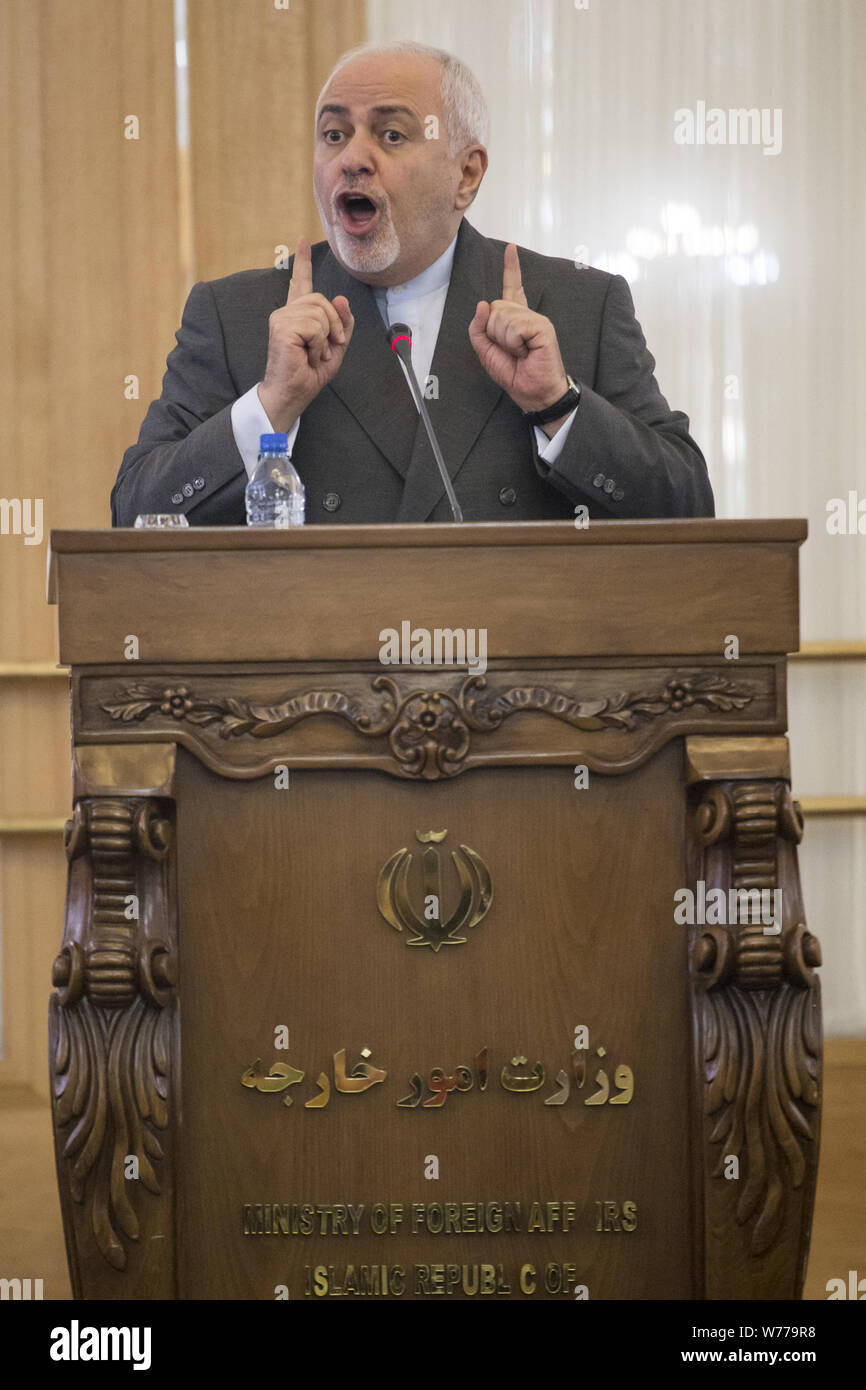
Economically, the conflict has exacerbated energy market instability, with oil prices fluctuating as attacks on shipping lanes in the Strait of Hormuz remain a possibility. The International Atomic Energy Agency (IAEA) has also warned that Iran’s nuclear advances could reach a point of no return
within months if current trends continue.
For now, the pause offers a rare opportunity to de-escalate. But without concrete steps from both sides—sanctions relief from the U.S. and nuclear restraints from Iran—the risk of renewed hostilities looms large. The next move will likely come from Tehran, where Supreme Leader Khamenei’s stance on diplomacy will determine whether the current reprieve leads to a lasting peace or a return to the brink.
One thing is certain: the region is watching closely. The outcome of these negotiations will not only shape Iran’s future but also the balance of power in the Middle East for years to come.
