
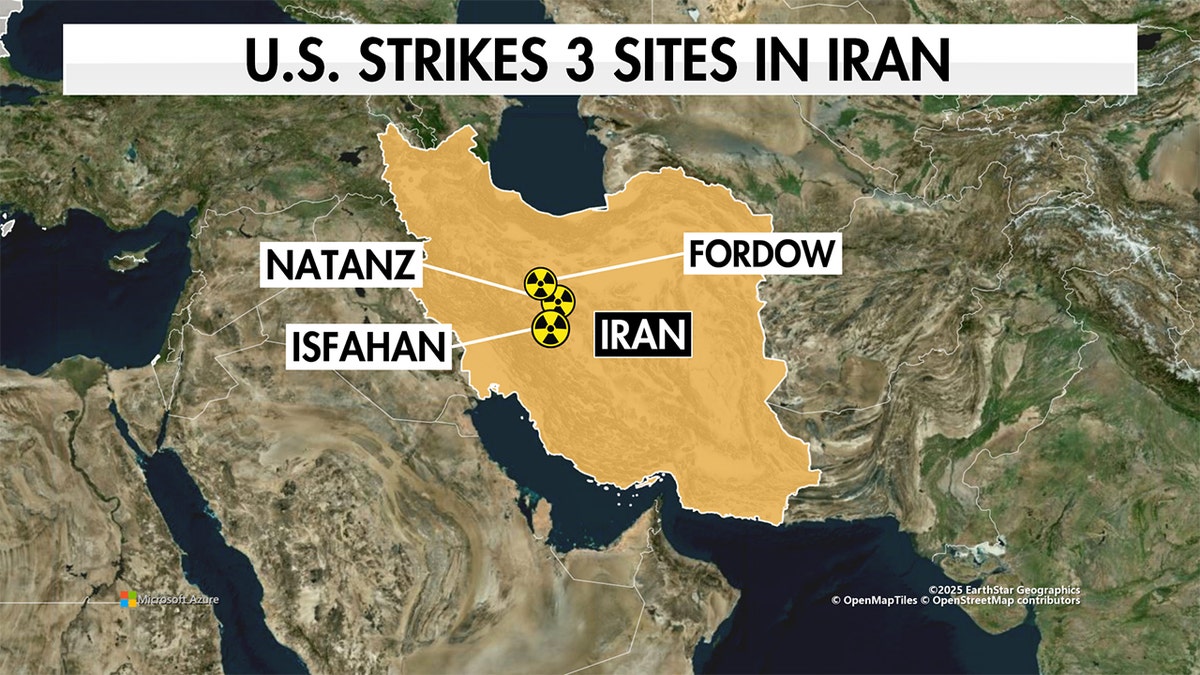
The Iranian government on Wednesday, May 20, 2026, warned that any new U.S. or Israeli military strikes would escalate the conflict beyond the region, as President Donald Trump signaled he was “an hour away” from ordering fresh attacks before Gulf allies intervened. Meanwhile, Tehran released boundaries for a newly declared “controlled maritime zone” in the Strait of Hormuz, requiring foreign vessels to seek authorization from its Persian Gulf Strait Authority.
Iran Threatens Wider War as U.S. Strikes Loom
Iran’s escalating rhetoric follows a tense week of near-miss military confrontations and failed peace talks. On Tuesday, Israel launched strikes across Lebanon, targeting Iranian-backed Hezbollah forces, while Hezbollah retaliated against Israeli positions. Lebanese officials reported over 3,000 deaths in the ongoing Israel-Hezbollah conflict, which has persisted despite a U.S.-brokered ceasefire announced in February. The war’s expansion risks drawing in regional powers, with Iran’s Islamic Revolutionary Guard Corps (IRGC) warning that any resumption of hostilities would extend beyond the region
.
President Trump’s threat of new strikes—reportedly halted at the last moment by Gulf allies—highlighted the fragile state of negotiations. Trump told U.S. Coast Guard Academy graduates on Wednesday that the military might need to finish operations in Iran
if the regime refused a peace deal. His administration has framed the conflict as a nuclear proliferation risk, dismissing economic concerns as peanuts
compared to Iran’s alleged progress on uranium enrichment.
Iran’s latest diplomatic maneuver came in the form of a controlled maritime zone
in the Strait of Hormuz, a critical chokepoint for global oil shipments. The Persian Gulf Strait Authority (PGSA), a newly established Iranian body, announced boundaries requiring foreign vessels to obtain authorization for transit. The move follows weeks of heightened tensions, including an attack on a South Korean oil tanker near the strait in April. Despite the PGSA’s declaration, a South Korean-flagged tanker passed through the strait on Wednesday, signaling that commercial shipping—though disrupted—remains operational.
Ceasefire Talks Stalled as Both Sides Dig In
U.S.-Iran negotiations, which resumed in Pakistan in April after a two-week ceasefire, collapsed without a deal. Trump’s administration has since extended the ceasefire indefinitely, framing it as a tactical pause while maintaining a blockade on Iranian assets. Iran, however, has accused the U.S. of bad-faith diplomacy, citing Trump’s earlier announcement of major combat operations
in late February. Those strikes, conducted jointly with Israel, targeted military, government, and infrastructure sites across Iran.
For more on this story, see Iran Warns of War: “Hell” for USA and Israel as Tensions Escalate in Middle East Conflict.
Key obstacles to a resolution include Iran’s demand for the lifting of sanctions in exchange for concessions on its nuclear program, and U.S. insistence on dismantling Iranian enrichment capabilities. Trump’s recent remarks suggest little flexibility: We’re not making a limited deal over the Strait of Hormuz
, he said, indicating a hardline stance. Meanwhile, Iran’s Foreign Minister Hossein Amir-Abdollahian has hinted at more surprises
if negotiations fail, though specifics remain unclear.
Russia and China have condemned the strikes as treacherous
, urging an immediate end to hostilities. Their diplomatic efforts, however, have had limited impact, with both sides accusing each other of obstructing peace. The IRGC’s warning of a regional spillover reflects Tehran’s strategy of leveraging proxy forces—Hezbollah in Lebanon, Houthis in Yemen, and militias in Iraq and Syria—to deter direct confrontation with U.S. and Israeli forces.
Strait of Hormuz: A Flashpoint for Global Energy
The PGSA’s declaration of a controlled maritime zone
marks Iran’s most direct challenge to the strait’s traditional status as an open waterway. The boundaries, stretching from Kuh-e Mubarak in Iran to Fujairah in the UAE
at the eastern entrance and Qeshm Island to Umm Al-Quwain
in the west, mirror historical Iranian claims but now come with enforcement mechanisms. While the PGSA has not detailed penalties for unauthorized passage, the move risks provoking a U.S. or coalition response, particularly if shipping disruptions escalate.

Commercial traffic has shown resilience so far. A South Korean oil tanker, the Universal Win, transited the strait on Wednesday, bound for Ulsan, South Korea. However, the incident last month—when a South Korean vessel was hit by airborne objects near the strait—demonstrates the vulnerabilities of global supply chains. China, too, has seen its tankers navigate the strait recently, though Reuters reported two Chinese oil-filled vessels leaving the area on Wednesday, possibly as a precaution.
This follows our earlier report, Iran Warns of New Surprises in Region.
Analysts warn that any disruption to Hormuz could trigger a spike in oil prices, exacerbating economic strains already felt from the war. The U.S. has positioned warships in the region, including in the Gulf of Oman, to monitor the situation. Iran’s PGSA has not clarified whether its authority applies to military vessels, a critical question that could determine whether the zone becomes a de facto battleground.
What Comes Next: Uncertainty and Rising Risks
The immediate risk of further strikes remains high, with Trump’s administration showing little patience for prolonged negotiations. Iran’s threats to widen the war—through proxy attacks or direct escalation—suggest a willingness to raise the stakes. The failure of the ceasefire talks and the PGSA’s maritime declaration indicate that both sides are preparing for prolonged conflict rather than compromise.
For now, the Strait of Hormuz remains a critical test. If Iran enforces its controlled zone, the U.S. or its allies may respond with military or economic measures, potentially dragging in European powers dependent on Gulf oil. Meanwhile, the Israel-Hezbollah conflict in Lebanon shows no signs of de-escalation, with Lebanese officials reporting no end in sight
to the fighting.
What is certain is that the Middle East’s geopolitical fault lines are deepening. The war’s expansion—whether through direct strikes, proxy conflicts, or maritime blockades—threatens to redraw the region’s security architecture. Without a breakthrough in negotiations, the next phase could see not just a wider war, but a reshaping of global energy markets and alliances.
