
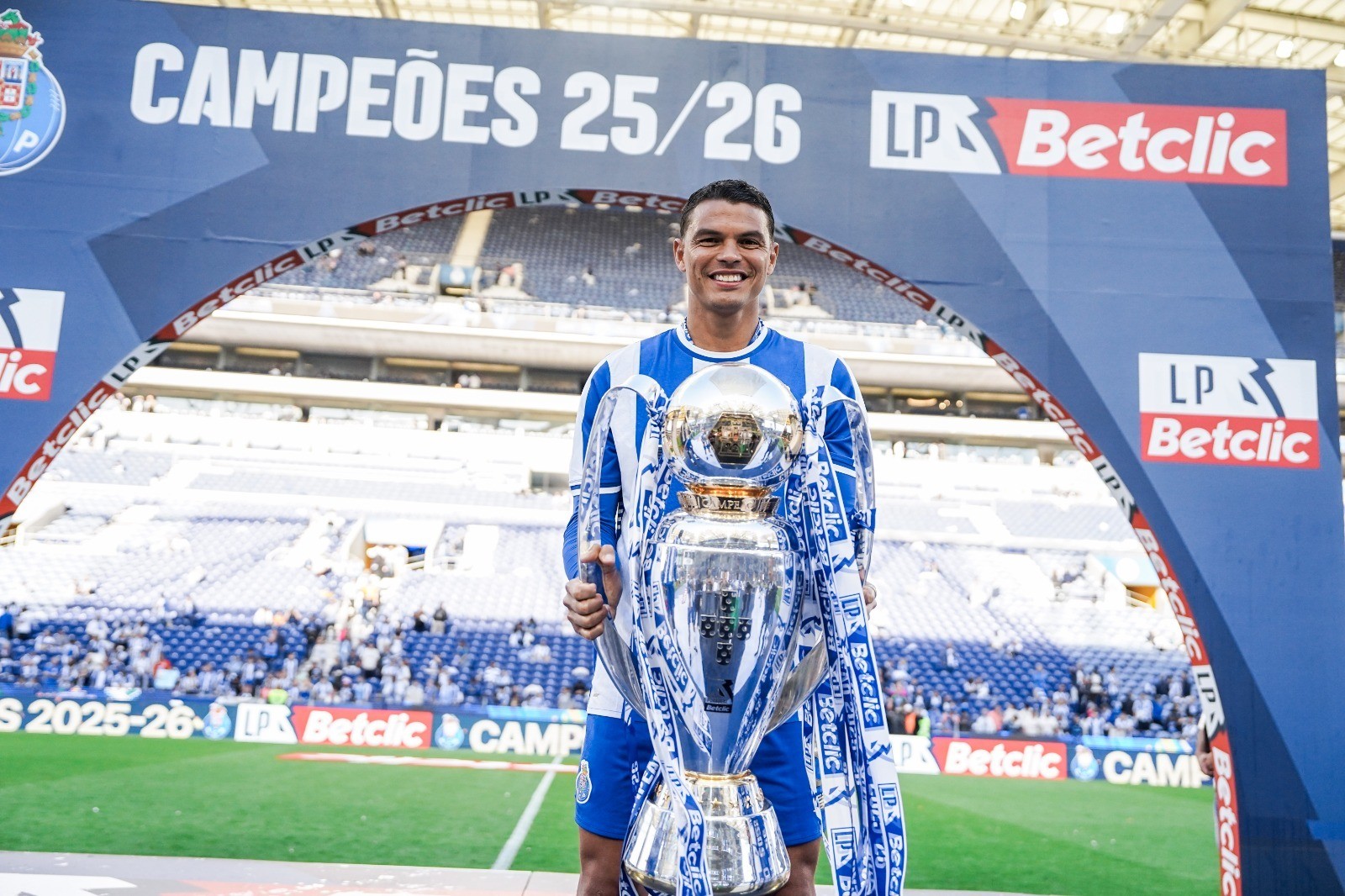
Thiago Silva, the 41-year-old Brazilian defender and 2026 World Cup hopeful, has left FC Porto after just five months, ending his second spell at the club with a championship title and no contract renewal. The move marks the end of a whirlwind return to the Portuguese giants, where Silva—who had been linked with retirement—played a pivotal role in Porto’s 2026 Primeira Liga triumph before opting out of an extension that could have kept him at the club until June 2027. His departure leaves the Brazilian market wide open for a potential final chapter in Europe, with his future now the subject of intense speculation across the continent.
Why Porto Let Him Go: A Contract Clash and a World Cup Shadow
The decision wasn’t just about football. Silva’s contract with Porto, signed in December 2025, was set to expire in June 2026 with an option to extend through June 2027. But the club exercised its right to terminate the agreement early, citing a mutual desire to part ways after the title win. According to O Globo, the move came despite Silva’s emotional farewell message, where he called his time at Porto “incredible” and praised the team’s unity. The subtext? Porto may have calculated that retaining a 41-year-old defender—even one with World Cup ambitions—was a financial and tactical risk, especially with younger alternatives emerging in the squad.
Silva’s presence at Porto was always tinged with urgency. He joined in January 2026 after leaving Fluminense, his club since 2018, to reunite with his family in Europe. His return to the club where he played for the B team in 2004 was framed as a sentimental homecoming, but the reality was more transactional: a stopgap before the World Cup. With Brazil’s pre-tournament list still fluid, Silva’s inclusion remained uncertain, adding pressure to his final months in Portugal. The club’s decision to release him now suggests they saw little long-term value in a player whose prime had long since passed—and whose World Cup chances, if they materialized, would take him elsewhere.
The Porto Paradox: A Champion’s Exit and What It Says About the Club’s Ambitions
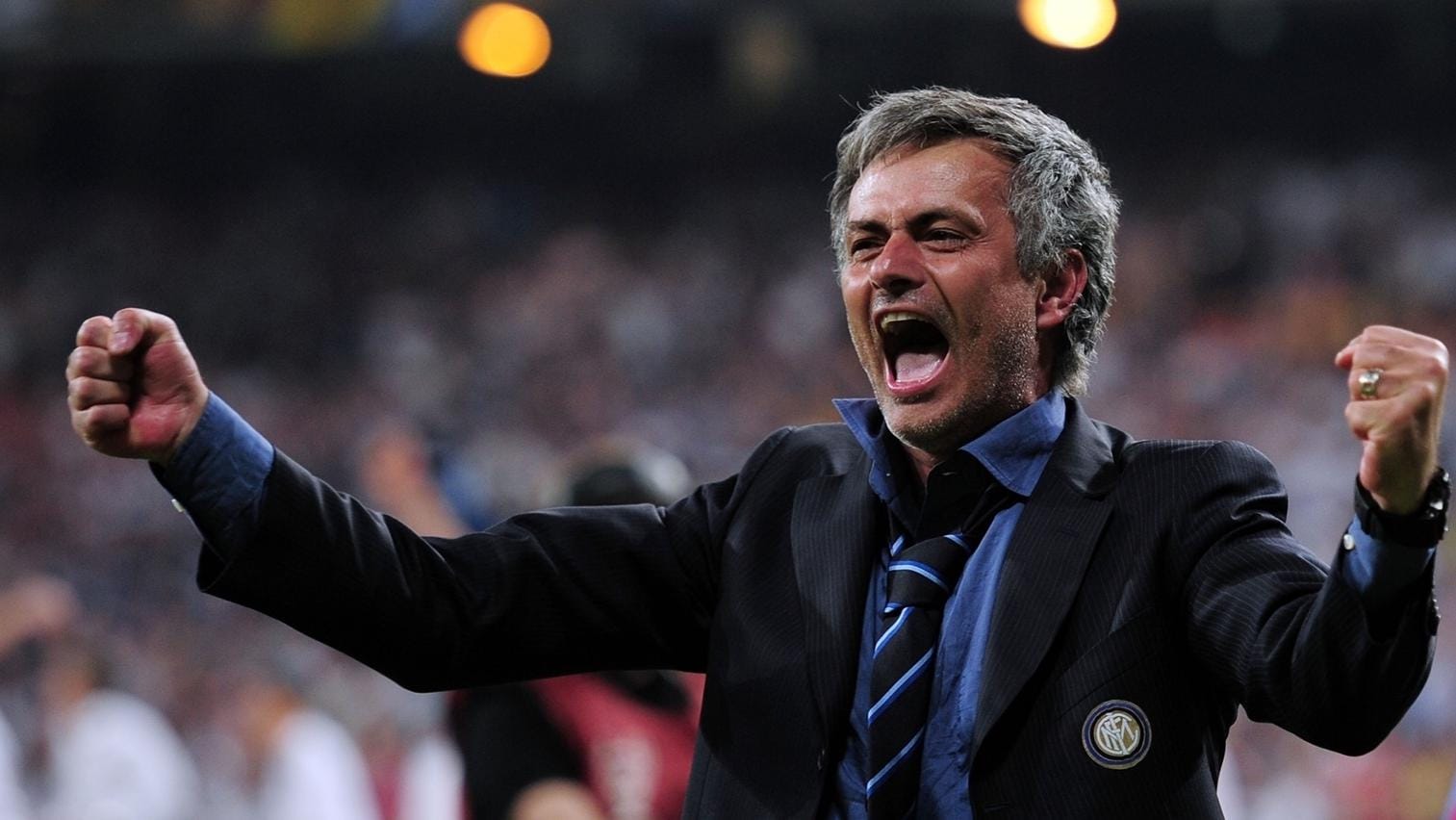
Silva’s departure is a microcosm of Porto’s broader identity crisis. The club that once dominated Europe under José Mourinho now operates in a leaner, more pragmatic era. His 14 appearances this season—12 as a starter—were enough to secure a league title, but not enough to justify a contract extension that would have tied the club to a player whose peak was a decade ago. As NETFLU noted, Silva’s role was functional, not transformative. He was the experienced voice in the backline, the veteran who could steady a young defense—but not the kind of player Porto would gamble millions on for another two years.
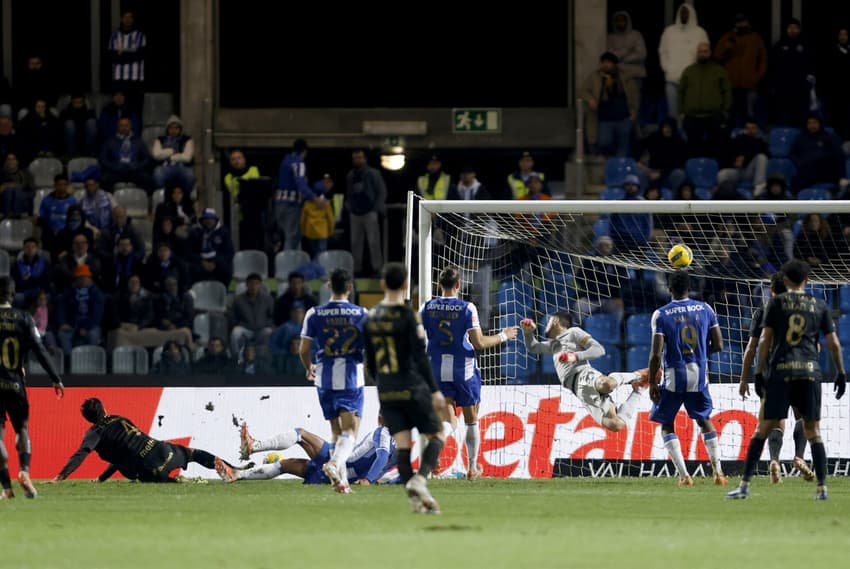
Yet the timing is curious. Porto just won their 33rd national title, and Silva’s contributions were undeniable. His leadership in a tight defense—particularly after the near-miss against Casa Pia—helped Porto claw back from a shaky start. But football is a young man’s game, and at 41, Silva’s physical limitations were becoming harder to ignore. The club’s statement, relayed by GE Globo, framed his exit as a natural conclusion: “The contractual link of Thiago Silva has ended, and the international defender is now free.” No drama. No regrets. Just business.
World Cup or Retirement? Silva’s Next Move Hangs in the Balance
Silva’s immediate future is the biggest question mark. He hasn’t announced retirement, nor has he confirmed a move to another club. But the options are narrowing. At 41, his window for a final European campaign is closing. The most plausible destinations? A return to Brazil—perhaps a farewell tour with Fluminense—or a short stint in a league where experience trumps youth, like Saudi Pro League or MLS. His World Cup chances, if they ever materialize, would likely require a final push in a high-pressure environment. But with Brazil’s squad already stacked with defensive talent, Silva’s inclusion remains speculative.
What’s clear is that Silva’s time at Porto was always temporary. His first stint with the club in 2004 was as a journeyman in the B team; this second chapter was a detour, not a destination. The emotional farewell video, where he called the experience “everything I hoped for,” belies the transactional reality: Silva was a stopgap, a bridge between past glory and an uncertain future. Whether that future involves one last hurrah in a World Cup or a quiet retirement remains to be seen.
The Bigger Picture: Porto’s Age of Austerity and the End of an Era
Silva’s exit is a symptom of a larger shift in European football. Clubs are increasingly reluctant to tie themselves to aging legends, even ones with pedigree. The days of signing 35-year-old world-class players for multi-year deals are fading, replaced by a more ruthless calculus: short-term value, clear exits, and financial flexibility. Porto’s decision to release Silva—rather than extend him—reflects this new reality. They didn’t need him long-term. They didn’t want to pay for his World Cup ambitions. And they certainly didn’t want to be saddled with a contract that could outlast his usefulness.
For Silva, the move is bittersweet. He leaves Porto as a champion, but without the security of a long-term deal. His career is at a crossroads: one last gasp for glory, or a graceful exit? The answer may hinge on whether Brazil’s selectors still see him as a viable option for the World Cup. If not, his next stop could be a sentimental one—a return to Brazil, where his legacy as one of the game’s greatest defenders is already secure.
What Happens Next? Three Scenarios for Silva’s Future
- World Cup or Bust: If Brazil’s final squad includes Silva, he’ll likely sign a short-term deal with a club that values experience (e.g., a Saudi side or a MLS expansion team) to keep his fitness sharp. His role would be limited to tournament preparation.
- Return to Brazil: Fluminense or a move to a lower-league club in his home country could offer a dignified farewell. His connection to Rio and his past with the Tricolor make this a likely path if the World Cup door slams shut.
- Retirement: With no clear destination and his age working against him, Silva could call time on his career. His emotional farewell to Porto suggests he’s not ready to walk away entirely—but the writing is on the wall.
The next 30 days will be telling. If Silva’s name appears on Brazil’s final World Cup roster, we’ll see a flurry of activity—short-term deals, last-minute transfers, and a final push for glory. If not, his career may be nearing its end. Either way, one thing is certain: Thiago Silva’s football journey is entering its final chapter, and Porto’s decision to release him has accelerated the countdown.
For now, the Brazilian giant remains a free agent, his future as much a question of football as it is of legacy. And in a sport that reveres youth, even legends like Silva must eventually make way for the next generation.
