

The Olympic Movement lost one of its most influential architects on Wednesday, May 27, 2026, as Raja Randhir Singh—five-time Olympian, Arjuna Awardee, and the first Indian president of the Olympic Council of Asia—died at age 79 after a long battle with health issues. His passing marks the end of an era for Indian sport, where Singh bridged the gap between athletic achievement and institutional leadership with rare skill.
From Shooting Star to Olympic Architect
Randhir Singh’s story begins in the shooting traps of 1960s India, where he became the first Indian shooter to win an Asian Games gold medal in 1978—a triumph that would define his legacy. His five Olympic appearances (Mexico City 1968 through Los Angeles 1984) established him as a pillar of consistency in a sport where medals often eluded Indian athletes. Yet it was his administrative career that would leave an indelible mark: as Secretary General of the Indian Olympic Association for nearly three decades, as the first Indian president of the Olympic Council of Asia (elected in 2024), and as an IOC member from 2001 to 2014.
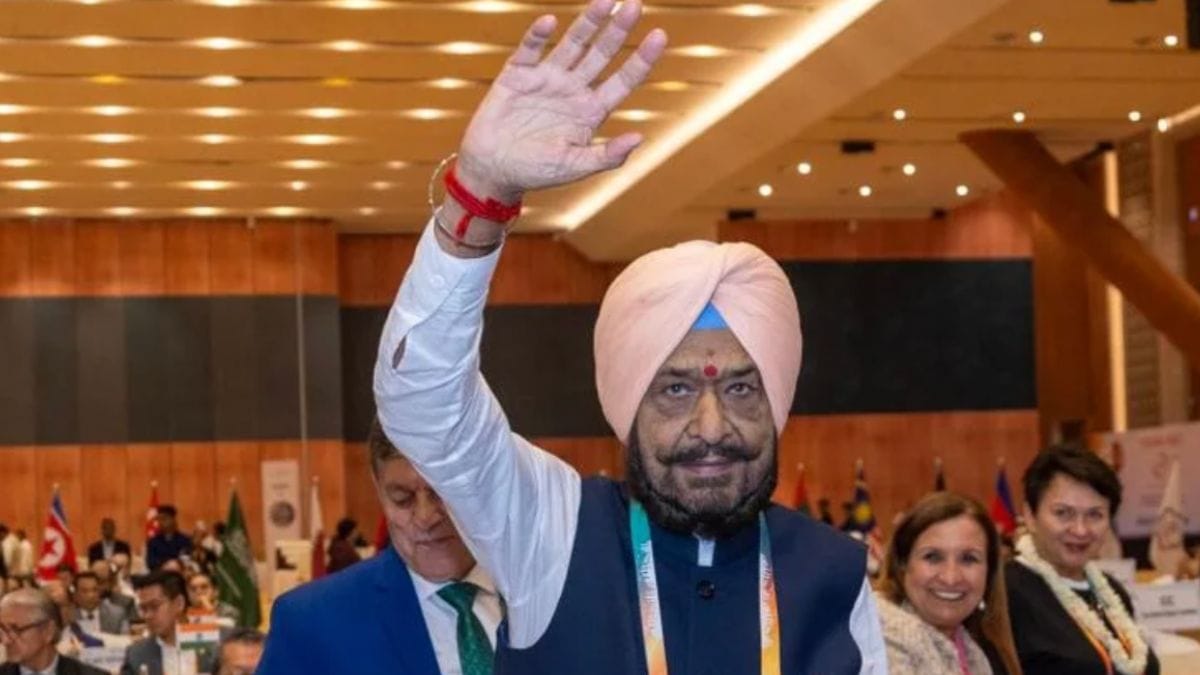
What set Singh apart wasn’t just longevity—though his 25-year tenure at the IOA alone speaks volumes—but his ability to navigate the often treacherous politics of Olympic governance. While many administrators burn out or get sidelined by factionalism, Singh thrived in the corridors of power, from Delhi to Lausanne to Kuwait. His rise mirrored India’s own sporting evolution: from the 1982 Asian Games (which his father helped bring to Delhi) to the 2010 Commonwealth Games, where he emerged as one of India’s most trusted diplomatic voices in global sport.
“Deeply saddened to hear of the passing of Raja Randhir Singh ji. He lived a life devoted to sport as an Olympian, as a sports administrator, and as someone who contributed immensely to Indian and World sport. His legacy will remain an important part of our sporting history.”
A Legacy Built on Consensus
Singh’s administrative philosophy was simple: build consensus, not empires. As Secretary General of the Olympic Council of Asia from 1991 to 2015—and later its president—he became known for his ability to quietly broker deals that kept Asian sport united during periods of political turbulence. His tenure at the IOA, spanning 1987 to 2012, coincided with some of Indian sport’s most chaotic decades: Olympic suspensions, doping scandals, and the fallout from the 2010 Commonwealth Games. Yet Singh emerged with his reputation intact, a rare feat in an organization notorious for infighting.
Even critics acknowledged his extraordinary network within Asian sport. Unlike many administrators who focus on headline-grabbing initiatives, Singh understood the power of quiet diplomacy. His influence wasn’t measured in press conferences but in the behind-the-scenes negotiations that kept India’s Olympic programs funded and its athletes competing. When the International Olympic Committee honored him as an Honorary Member in 2014, it wasn’t just for his shooting achievements—it was for his role in stabilizing the Olympic Movement’s Asian arm during its most volatile period.
The Olympic Flag at Half-Mast
The IOC’s response to Singh’s death was immediate and unequivocal. President Kirsty Coventry called him “one of the most influential figures in Asian sport,” while the Olympic flag was flown at half-mast for three days at Olympic House in Lausanne—a rare honor reserved for figures of singular impact. The gesture underscored what many in the Olympic family already knew: Singh wasn’t just a shooter or an administrator. He was the human glue holding together decades of Indian and Asian Olympic participation.
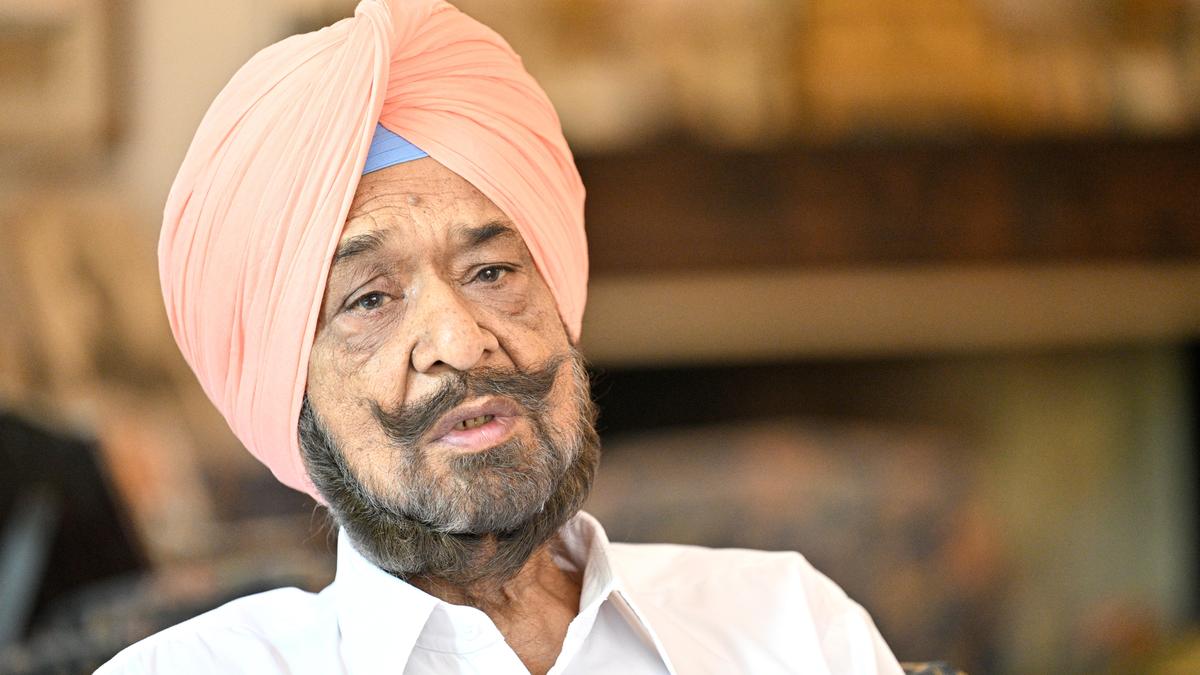
“Raja Randhir Singh devoted his entire life to sport. As an Olympian, as an IOC Member and as a leader of Asian sport, he served the Olympic Movement with exceptional loyalty, wisdom and generosity over many decades. He will be remembered not only for his remarkable service and leadership, but also for his warmth, friendship and lifelong dedication to sport.”
Singh’s death also forces a reckoning: what happens next for Indian sport without his institutional memory? His resignation as OCA president in May 2026—just months before his passing—was framed as a health-related step down, but it also marked the end of an era. The OCA now faces the challenge of filling his shoes in a region where political tensions between nations often spill into sporting bodies. Singh’s ability to de-escalate rather than inflame conflicts was a skill his successors will struggle to replicate.
A Shooter’s Final Act: The Bangkok Moment
For all his administrative achievements, Singh’s most enduring legacy may be his 1978 Asian Games gold medal in trap shooting—a victory that didn’t just win him a medal, but inspired a generation. The story of that final, recounted by Singh himself years later, captures his competitive spirit: with a commanding lead, the Indian contingent and reporters began celebrating early. Distracted, he missed a target and snapped, “Keep quiet. Let me finish at least.” The quip became legendary, a reminder that even legends need focus.
That gold medal wasn’t just a personal triumph—it was a catalyst for Indian shooting. Before Singh, India had no notable names in Olympic shooting. After him, the sport became a national priority, with infrastructure investments and coaching programs that produced athletes like Abhinav Bindra, who paid tribute to Singh as “someone who contributed immensely to Indian and World sport.” Singh’s administrative work ensured that the momentum he created as an athlete would continue long after his competitive career ended.
What Comes Next for Indian Sport?
Singh’s passing leaves a void in three critical areas: Olympic governance, shooting development, and institutional stability. The Indian Olympic Association will need to find an administrator with his consensus-building skills—a rare commodity in an organization that has seen its fair share of scandals. Meanwhile, the National Rifle Association of India (NRAI) faces the challenge of maintaining the momentum in shooting that Singh helped establish. Without his influence, will India’s shooting programs continue to receive the same level of funding and political support?
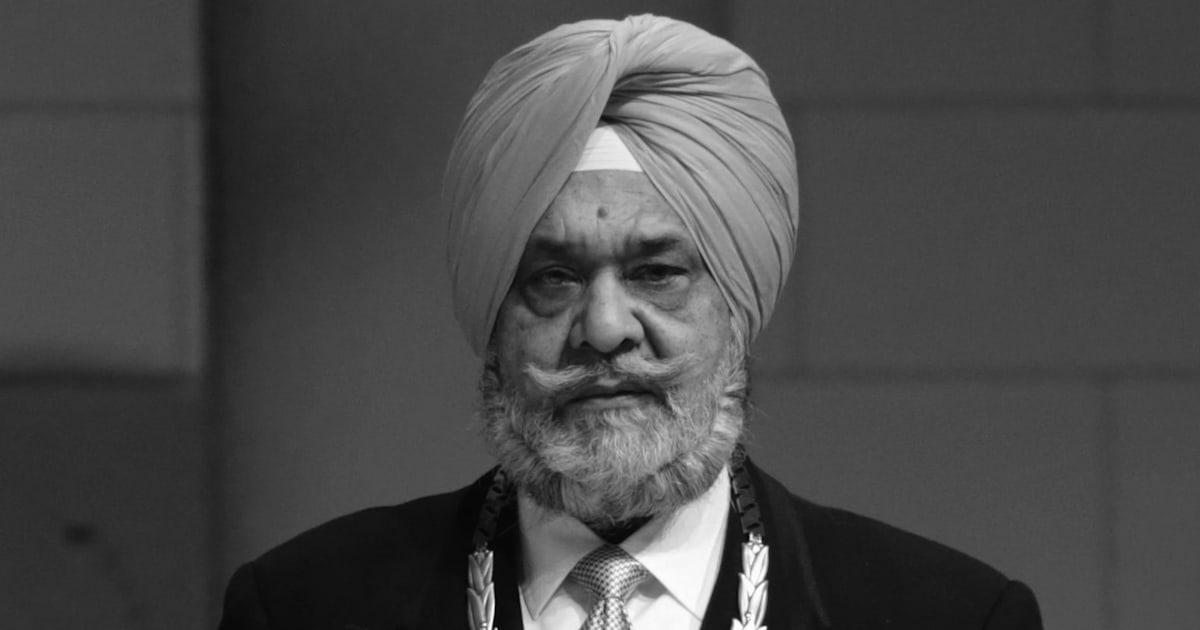
The bigger question is whether Singh’s quiet diplomacy can be replicated. In an era where Olympic politics are increasingly polarized—between host nations, doping agencies, and commercial interests—Singh’s ability to navigate without alienating was a superpower. His death doesn’t just mark the end of a career; it signals a test for the next generation of Indian sports leaders: Can they fill his shoes, or will his absence leave a gaping hole in Asia’s Olympic ambitions?
For now, the Olympic Movement mourns. But the real measure of Singh’s legacy won’t be in the tributes—it will be in whether his successors can carry forward the values he embodied: loyalty, wisdom, and generosity. Few administrators have spanned as many decades of Olympic history with such influence. Fewer still have left such a human mark on the sport.
A Timeline: Randhir Singh’s Olympic Journey
- 1964 (Tokyo Olympics): Reserve shooter for India.
- 1968 (Mexico City): First Olympic appearance.
- 1972 (Munich): Second Olympic Games.
- 1976 (Montreal): Third Olympic appearance.
- 1978 (Bangkok Asian Games): Wins gold in trap shooting—India’s first Asian Games shooting gold.
- 1980 (Moscow): Fourth Olympic Games.
- 1982 (Delhi Asian Games): Wins bronze (individual) and silver (team) in trap.
- 1984 (Los Angeles): Fifth and final Olympic appearance.
- 1987–2012: Secretary General, Indian Olympic Association.
- 1991–2015: Secretary General, Olympic Council of Asia.
- 2001–2014: Member, International Olympic Committee.
- 2021: Acting President, Olympic Council of Asia.
- 2024: Elected President of OCA—first Indian to hold the role.
- May 27, 2026: Passes away at age 79.
Randhir Singh’s life was a rare blend of athletic excellence and administrative genius. In an era where sports leaders often burn bright but fade quickly, he remained a constant—a bridge between India’s sporting past and its Olympic future. His death is a reminder that the Olympic Movement is built not just on medals, but on the people who dedicate their lives to its ideals.
