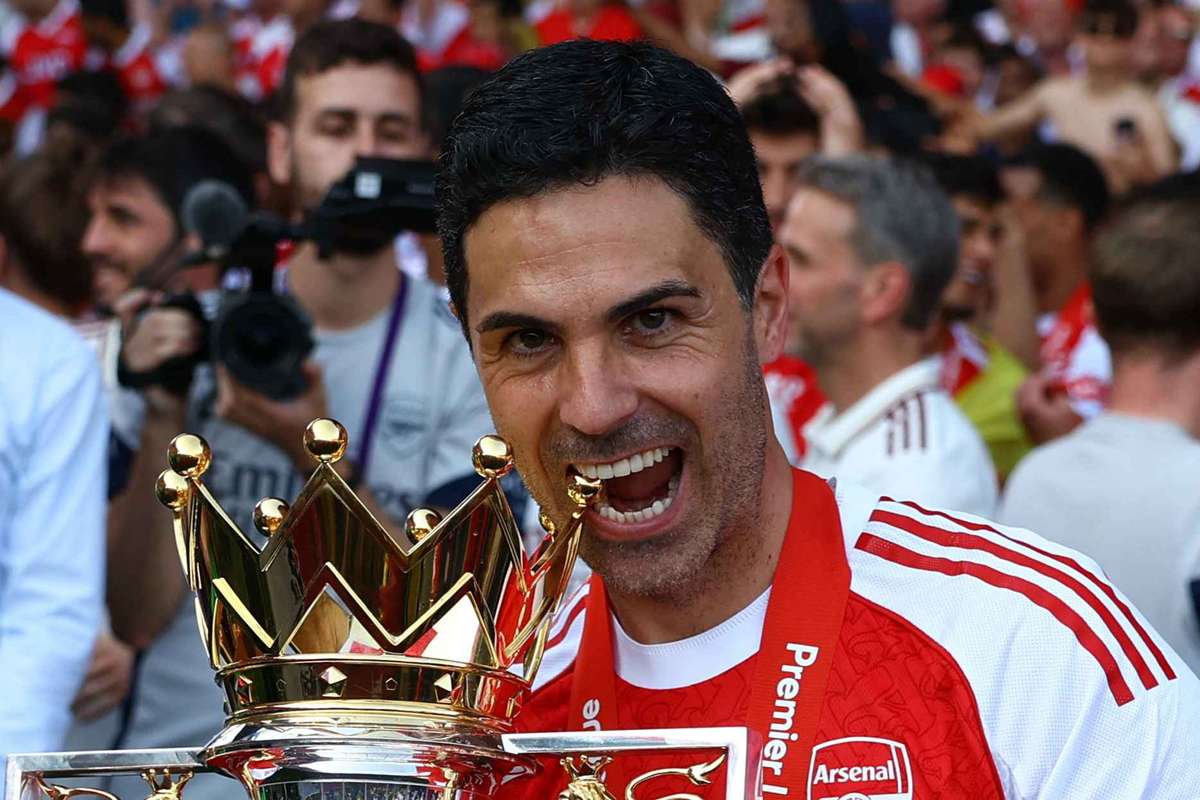
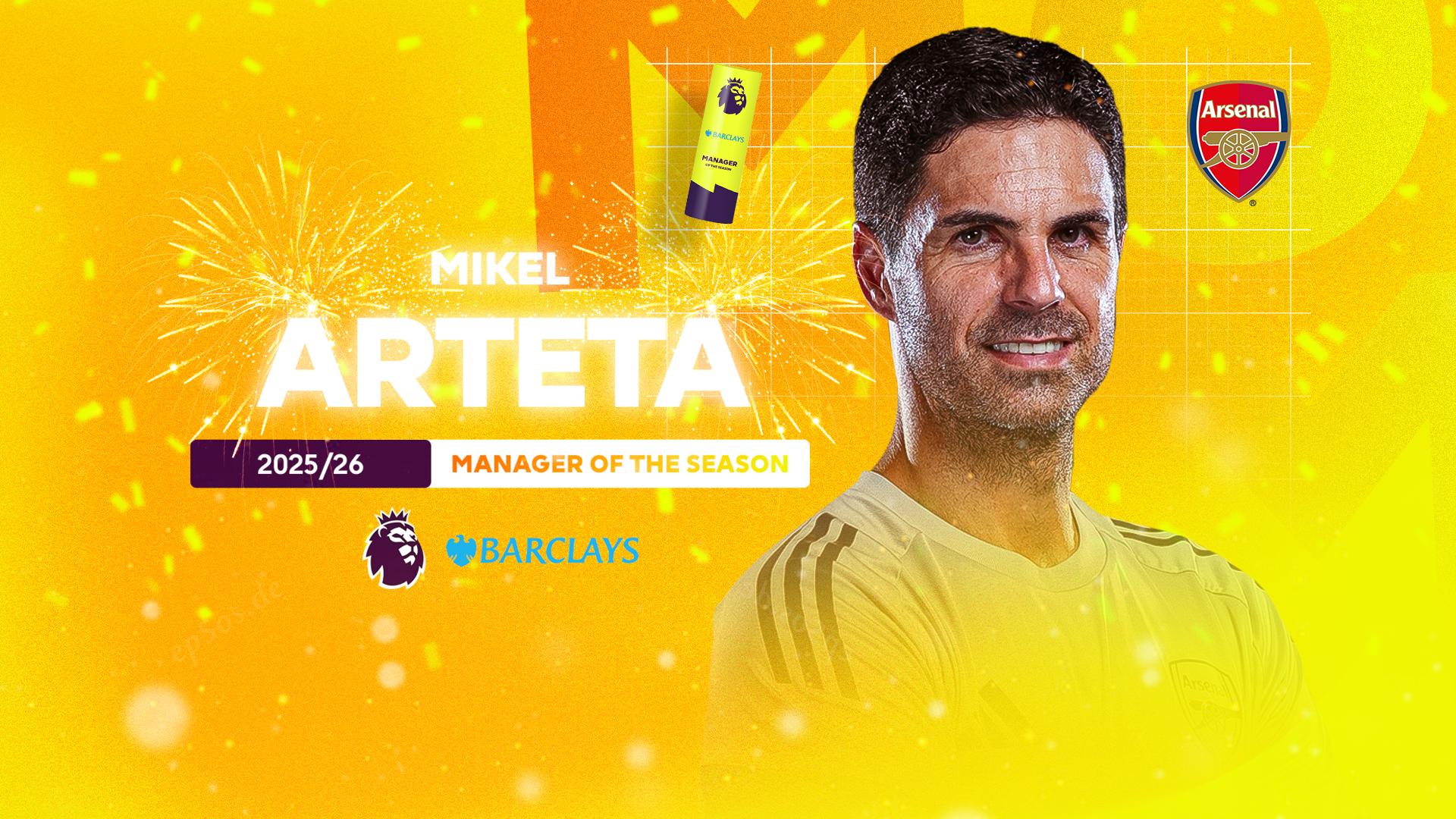
Arsenal manager Mikel Arteta has been named Premier League Manager of the Season after leading the club to their first title in 22 years, ending a wait that began in the 2003/04 “Invincibles” era. The award, announced on May 27, 2026, marks a historic milestone for Arteta, who took charge at a “lowest point” in December 2019 and guided the Gunners to a seven-point lead over Manchester City.
Arteta’s Journey: From Crisis to Triumph
Arteta’s reign began amid turmoil, with Arsenal struggling to find consistency. Over six-and-a-half years, he transformed the club into a title contender, culminating in a campaign defined by defensive resilience and attacking flair. The Gunners kept 19 clean sheets in 38 matches, conceded just 27 goals, and scored 71, the second-highest tally in the league. Their success was cemented with a game to spare, a feat that underscores their dominance.
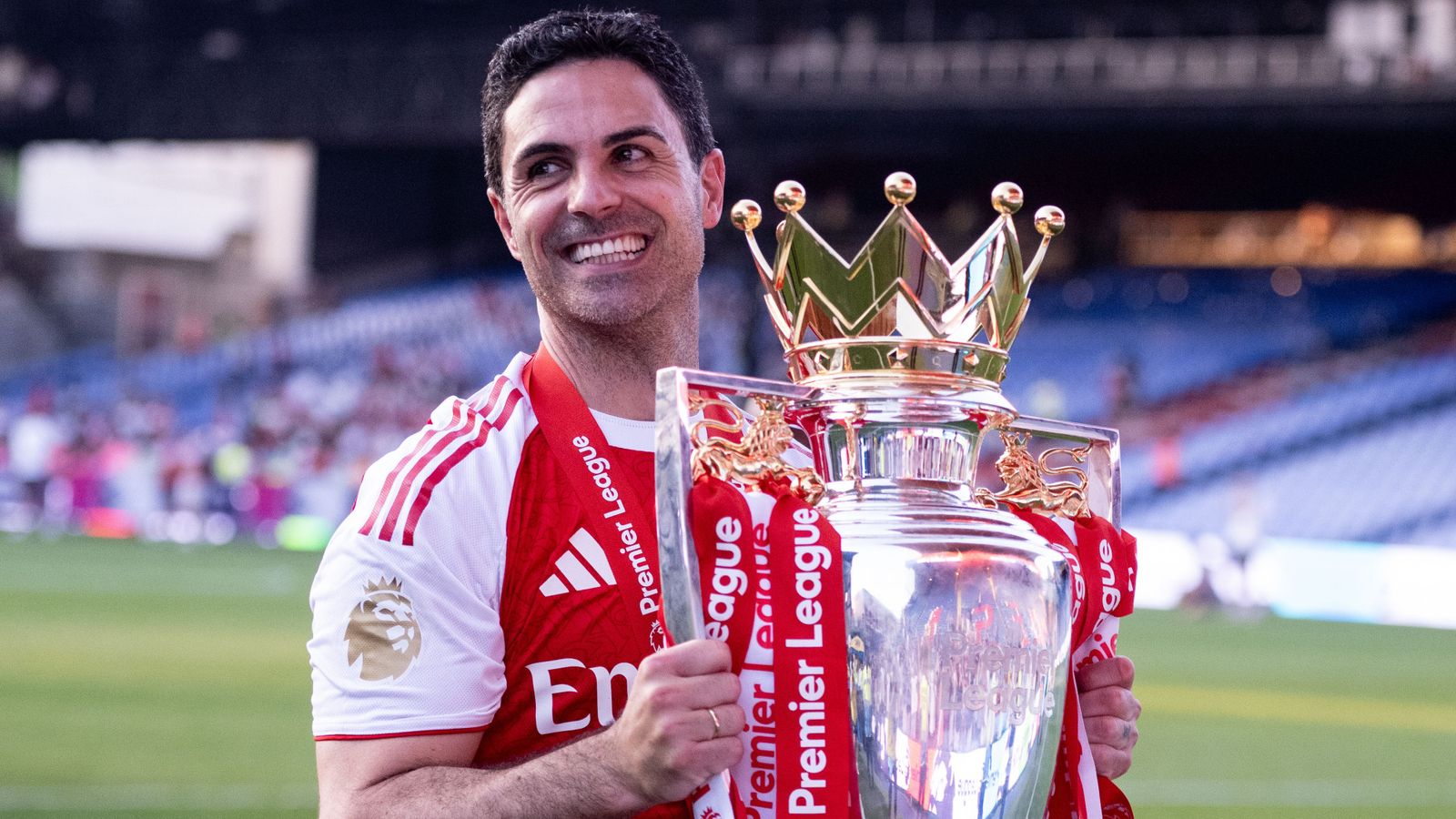
“The fans have been waiting for this for so long,” Arteta said after lifting the trophy at Selhurst Park. “We showed an incredible connection, an incredible commitment and incredible courage as well.” His words echoed the collective relief of a fanbase that had endured three consecutive second-place finishes. The victory also made Arteta the first Arsenal manager to win the award since Arsène Wenger, who claimed it in each of his three title-winning seasons.
Competitors and Controversies
The Manager of the Season shortlist included Premier League rivals like Pep Guardiola and Championship-winning managers such as Brentford’s Keith Andrews. However, the award’s significance was amplified by the omission of Aston Villa’s Unai Emery, who staged a remarkable mid-season turnaround despite financial constraints. The Guardian noted that Emery’s exclusion “seemed extraordinary,” given his role in leading Villa to a top-half finish after a disastrous start.
Other notable mentions included Bournemouth’s Andoni Iraola, who secured European qualification despite selling key players, and Sunderland’s Régis Le Bris, whose tactical flexibility helped avoid relegation. Le Bris, 50, was praised for his “tactically flexible” approach, though his work at Sunderland has already drawn attention from “more high-profile clubs.”
Legacy and Future Prospects
Arteta’s win solidifies his status as one of the Premier League’s most influential managers. At 44, he is the third-youngest to claim the award, behind José Mourinho’s 2004/05 and 2005/06 wins. His success also marks him as the first manager to win the title with a club he previously played for, having represented Arsenal from 2011 to 2016.
With the Premier League title secured, Arsenal now faces a critical test in the UEFA Champions League final against Paris Saint-Germain. Arteta’s ability to balance domestic and European ambitions will define his legacy. “We have to start creating our own history here,” he said in 2025, a vision now realized.
As the Premier League celebrates its latest champion, the story of Arteta’s journey—from crisis to triumph—serves as a testament to patience, strategy, and the enduring power of football. For Arsenal fans, the wait is over. For the league, the era of Arteta’s dominance has just begun.
Key Stats and Context
- Arsenal’s 22-year title drought ended in the 2025/26 season, their first since 2003/04.
- The Gunners finished seven points ahead of Manchester City, with 71 goals scored and 27 conceded.
- Arteta’s tenure since December 2019 included three consecutive second-place finishes before this breakthrough.
- The Manager of the Season award was voted on by the public and a panel of experts, with shortlist contenders including Pep Guardiola, Andoni Iraola, and Régis Le Bris.
“There are doubts and the understanding that maybe you are not the right person,” Arteta reflected. “But thanks to God that we have done it.” His words capture the essence of a journey that redefined Arsenal—and redefined what it means to wait, and then win.