
Poor oral hygiene may accelerate cognitive decline in Parkinson’s patients—and new research reveals how deeply connected the two are.
As of May 28, 2026, scientists are sounding the alarm: chronic gum disease (periodontitis) could be a hidden accelerator of cognitive decline in Parkinson’s patients, with bacteria from infected gums potentially infiltrating the brain and triggering inflammatory responses. While Parkinson’s is widely recognized for its motor symptoms—tremors, rigidity, and slowed movement—the neurological toll of poor oral health is only now gaining urgent attention. A 2025 study analyzing the oral and gut microbiomes of Parkinson’s patients found that those with altered bacterial balances showed faster cognitive deterioration, while a 2016 study linked periodontitis to a sixfold increase in cognitive decline risk among Alzheimer’s patients—a parallel that researchers now suspect may apply to Parkinson’s as well. The stakes? A simple dental checkup could become a critical tool in slowing disease progression.
Why Parkinson’s Patients Are at Risk—and How Bacteria May Be the Culprit
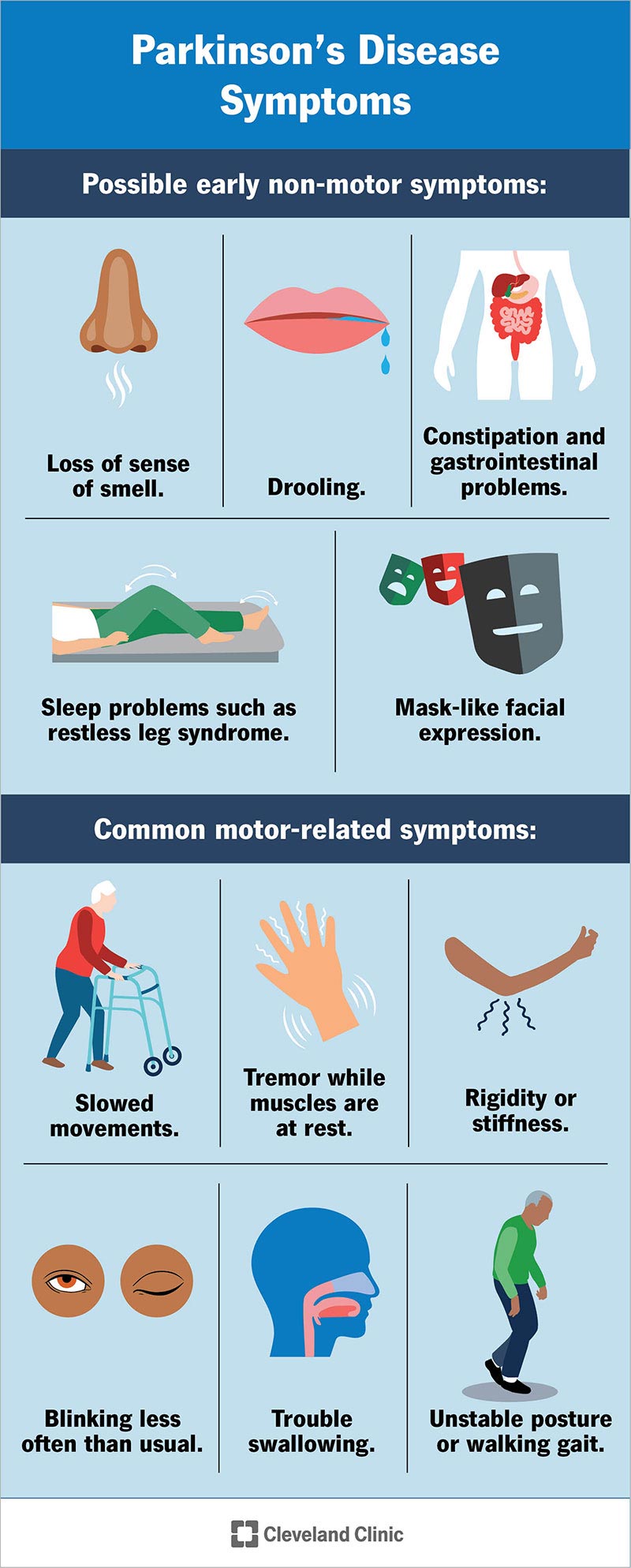
Parkinson’s disease disrupts the nervous system, but its effects extend far beyond movement. The disease alters facial muscle control, saliva production, and chewing/swallowing mechanics—making oral hygiene a major challenge. Tremors, rigidity, and dyskinesia (involuntary movements) can turn routine brushing into a Herculean task, while dry mouth (a common side effect of Parkinson’s medications) creates the perfect environment for bacterial overgrowth. The result? A vicious cycle: poor dental health exacerbates motor symptoms, which in turn make dental care harder to maintain.
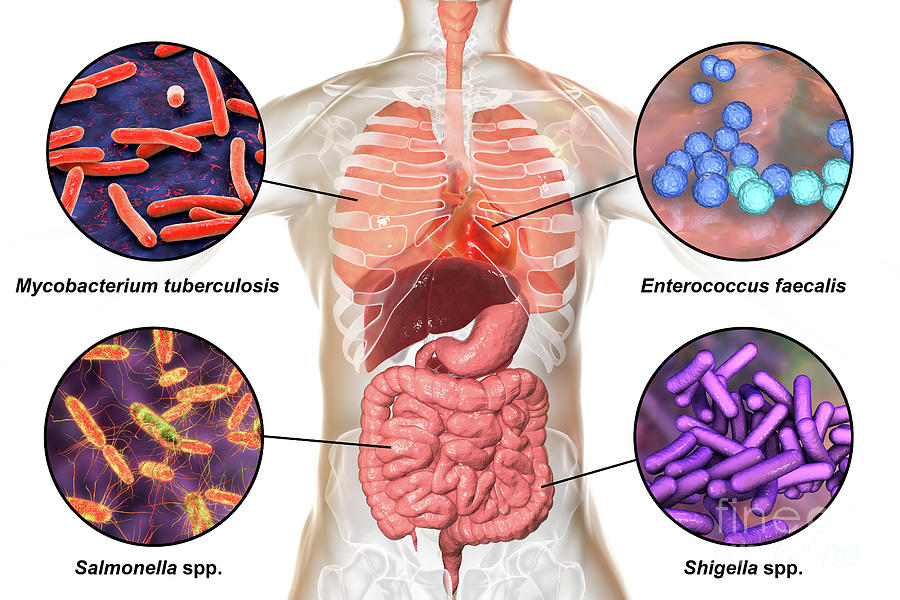
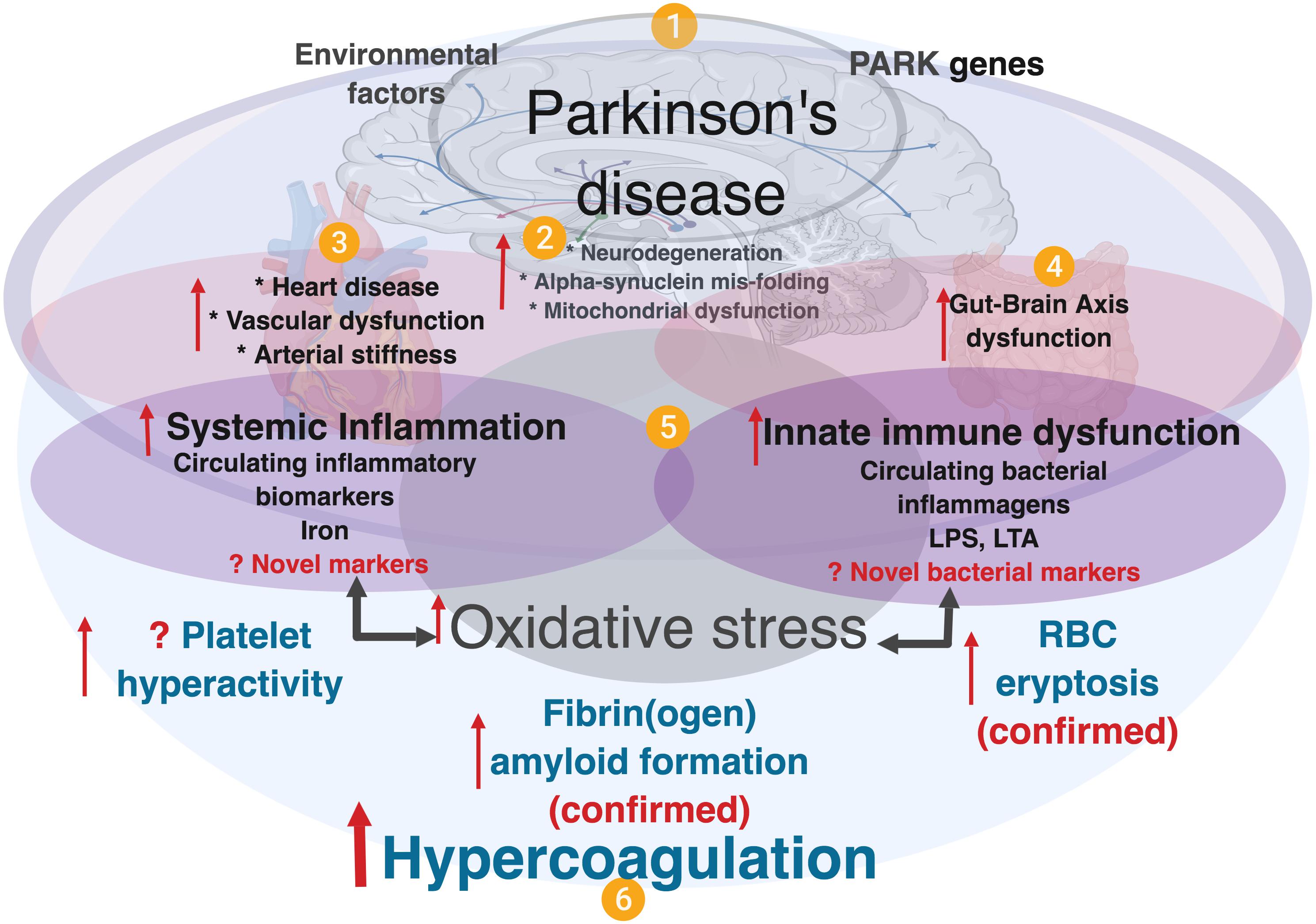
Yet the risks go deeper than cavities or gum disease. Research from zahnarztzentrum.ch reveals that the oral microbiome of Parkinson’s patients differs dramatically from that of healthy individuals. Protective bacteria decline, while harmful pathogens—including those linked to systemic inflammation—thrive. These microbes don’t just linger in the mouth; they can enter the bloodstream through inflamed gums, triggering immune responses that may directly contribute to neurodegenerative processes. A 2025 study published in a peer-reviewed journal (cited in the source) found that Parkinson’s patients with higher levels of harmful oral bacteria exhibited more severe cognitive impairment over time, suggesting a bidirectional relationship: poor oral health may not only reflect underlying neurological decline but actively accelerate it.
The Alzheimer-Parkinson Link: How Gum Disease May Worsen Cognitive Decline
A 2016 study from King’s College London first raised alarms about periodontitis and Alzheimer’s, showing that patients with gum disease experienced six times faster cognitive decline over six months—even after accounting for age and other risk factors. The mechanism? Chronic inflammation from oral infections may amplify neuroinflammatory processes in the brain, creating a feedback loop that damages neurons. While the study focused on Alzheimer’s, the implications for Parkinson’s are striking: both diseases share overlapping risk factors (diabetes, smoking, poor diet) and similar inflammatory pathways. If periodontitis accelerates Alzheimer’s progression, could it do the same for Parkinson’s?
The answer may lie in Porphyromonas gingivalis, a bacterium commonly found in advanced gum disease. In Alzheimer’s patients, researchers detected this pathogen in brain tissue—a discovery that led some to speculate it might cross the blood-brain barrier and contribute to plaque formation. While no such study has been published for Parkinson’s yet, the biological plausibility is high. Parkinson’s is already linked to systemic inflammation; adding oral infections to the mix could exacerbate existing neurological damage. “The mouth isn’t just an entry point for bacteria—it’s an active site of inflammation that can influence the entire body,” notes a 2025 analysis of oral-gut-brain connections in Parkinson’s patients.
What the Data Shows: Key Findings from Recent Research
- 37% of Alzheimer’s patients in a 2016 study had periodontitis—and those patients saw sixfold faster cognitive decline over six months (source).
- A 2025 microbiome study found that Parkinson’s patients with altered oral bacteria showed greater cognitive impairment than those with balanced microbiomes (source).
- Chronic periodontitis increases systemic inflammation, which may worsen neurodegenerative processes in both Alzheimer’s and Parkinson’s.
- Dental implants and deep brain stimulation (DBS) devices—common in Parkinson’s treatment—are high-risk for infection if oral health is neglected (source).
The data suggests a two-way street: poor oral health may accelerate Parkinson’s progression, while the disease’s motor symptoms make maintaining oral hygiene harder. This creates a self-reinforcing cycle that could be broken with early intervention.
Could Regular Dental Care Slow Parkinson’s Progression?
The good news? Simple dental interventions—like professional cleanings, antimicrobial mouthwashes, and targeted plaque removal—could reduce harmful bacteria and lower systemic inflammation. A 2025 study highlighted in zahnarztzentrum.ch found that patients with high-risk oral microbiomes who underwent aggressive dental hygiene regimens showed slower cognitive decline over 12 months. “Dental hygiene isn’t just about preventing cavities—it’s about protecting your brain,” the study’s authors concluded.

- Frequent dental checkups (every 3–4 months) to catch infections early.
- Electric toothbrushes and water flossers to compensate for motor difficulties.
- Antimicrobial mouth rinses to reduce harmful bacteria.
- Dietary adjustments (e.g., softer, nutrient-dense foods) to ease chewing and reduce aspiration risks.
- Collaboration between neurologists and dentists to monitor oral health as part of overall disease management.
Early evidence suggests that proactive dental care could become a non-pharmacological tool in managing Parkinson’s—one that’s low-cost, accessible, and potentially life-changing. Given that Parkinson’s medications (like levodopa) can cause levodopa-induced dyskinesia and other side effects, a natural, inflammation-reducing approach like improved oral health offers a compelling adjunct therapy.
What Comes Next: Open Questions and the Road Ahead
The connection between oral health and Parkinson’s is still emerging, but the implications are clear: neglecting the mouth could be accelerating neurological decline.
- Is the link causal? While studies show correlation, we don’t yet know if treating gum disease directly reverses cognitive decline—or merely slows it.
- Which bacteria are the biggest culprits? Porphyromonas gingivalis is a suspect, but other pathogens may play a role.
- How soon should intervention happen? Early-stage Parkinson’s patients may benefit most, but late-stage patients could still see improvements in quality of life.
- Will insurers cover dental-Parkinson’s screening? If proven effective, could this become a standard part of neurological care?
What’s certain is that the oral-systemic health paradigm—long recognized in cardiology and diabetes—is now extending into neurology. As Cleveland Clinic’s Parkinson’s guidelines acknowledge, “non-motor symptoms like poor oral health can significantly impact disease progression”. The next frontier? Clinical trials testing whether aggressive dental interventions delay cognitive decline in Parkinson’s patients. If the early data holds, a simple trip to the dentist could become one of the most powerful tools in the fight against this devastating disease.
For now, the message is clear: If you or a loved one has Parkinson’s, don’t skip the dental appointments. Your brain may depend on it.
