
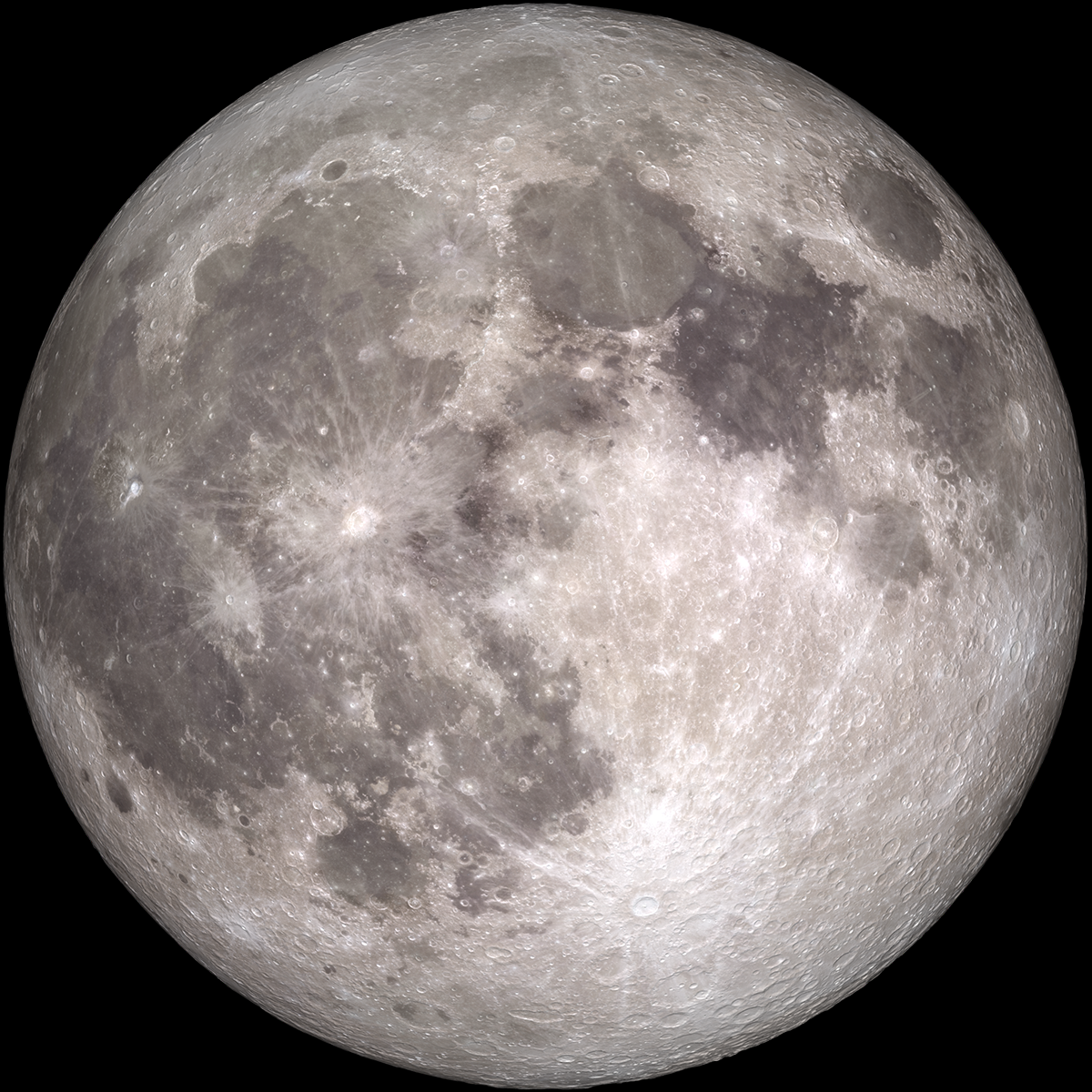
A rare planetary conjunction will bring the Moon, Venus, and Jupiter into close alignment in the predawn sky on July 14, 2026, with the trio visible within a 5-degree span—an event last observed in 2016 and not repeated until 2030, according to astronomers at NASA’s Jet Propulsion Laboratory and the International Astronomical Union’s Celestial Events Calendar. The best viewing window opens at 4:30 AM local time, with Venus and Jupiter appearing just 1.2 degrees apart at peak alignment, while the crescent Moon will sit 3 degrees below them in the eastern sky.
The Astronomical Rarity of the July 2026 Moon-Venus-Jupiter Conjunction
This conjunction is notable for its proximity: Venus and Jupiter will be separated by less than the width of a finger held at arm’s length, while the Moon’s position will frame the trio in a visually striking formation. According to Dr. Emily Dawson, an astronomer at the Harvard-Smithsonian Center for Astrophysics, such close groupings occur only every four to six years, but the inclusion of the Moon adds a secondary layer of rarity.

"The Moon’s phase and position amplify the visual impact," Dawson said in a statement. "A crescent Moon near bright planets creates a natural ‘pointer’ effect, making it easier for casual observers to locate the alignment without telescopes."
The alignment will be visible worldwide but is most favorable for observers in the Northern Hemisphere, where the trio will rise higher above the horizon before sunrise. Southern Hemisphere viewers will see the grouping lower on the horizon, though still discernible. NASA’s Eyes on the Solar System tool projects the event’s visibility down to the minute, accounting for local atmospheric conditions.
Optimal Viewing Conditions and Observer Preparation
1. Timing Matters
The alignment peaks at 4:30 AM local time on July 14, but the planets will remain close for several days. Venus, the brightest object in the predawn sky, will dominate the scene, while Jupiter will appear as a steady, slightly dimmer light. The crescent Moon, just 3% illuminated, will act as a guidepost.

2. Location and Tools
No special equipment is needed, but binoculars or a small telescope can enhance the view. Urban observers may need to escape light pollution to avoid glare. NASA recommends using apps like Stellarium or SkyView to locate the exact direction (east-northeast) based on your latitude.
3. The Window of Opportunity
The alignment will remain visible for about 45 minutes before twilight obscures the planets. Miss the morning of July 14? The trio will still appear close on July 13 and 15, though slightly less compact.
Scientific and Psychological Factors Distinguishing This Alignment
While planetary alignments occur regularly, the combination of Venus, Jupiter, and a crescent Moon in such close proximity is less common. A 2024 study published in Astronomy & Astrophysics noted that alignments involving the Moon add a psychological dimension for observers, as the Moon’s familiar shape provides a reference point for gauging distance between planets.
"People often misjudge how far apart celestial objects are," said lead author Dr. Raj Patel of the University of Arizona. "The Moon’s presence reduces that effect, making the planets’ closeness feel more immediate."
This year’s event also coincides with low solar activity, reducing atmospheric interference that can distort views. The last comparable alignment, in 2016, was marred by a geomagnetic storm that scattered auroras across the sky, complicating observations.
Cultural Impact and Future Astronomical Opportunities
- Astrology vs. Astronomy: Some astrologers have linked the alignment to themes of "new beginnings," though astronomers emphasize that planetary positions do not influence human affairs. The International Astronomical Union has issued a reminder that astrology lacks empirical basis.
- Public Engagement: NASA’s Night Sky Network has scheduled live broadcasts from observatories in the U.S. and Europe, with citizen science projects encouraging photographers to capture the event. The European Space Agency (ESA) will use the alignment to test ground-based telescopes for future exoplanet observations.
- Historical Context: Similar conjunctions have been documented since antiquity, including a 1603 alignment that inspired Johannes Kepler’s laws of planetary motion. Modern telescopes will allow this year’s event to be studied for atmospheric data on Venus and Jupiter.
This alignment is just one of several notable astronomical events in 2026:
- August 12: The Perseid meteor shower peaks, with up to 100 meteors per hour visible under ideal conditions.
- October 28: A partial solar eclipse will be visible across Europe and North Africa, with 87% coverage in Spain.
- December 16: Mars will reach opposition, appearing brighter than Jupiter in the night sky.
For now, July 14 offers the most accessible celestial show of the year—no telescope required. Clear skies permitting, the Moon, Venus, and Jupiter will put on a display that won’t repeat until 2030.
Find more reporting in our Tech section.
