
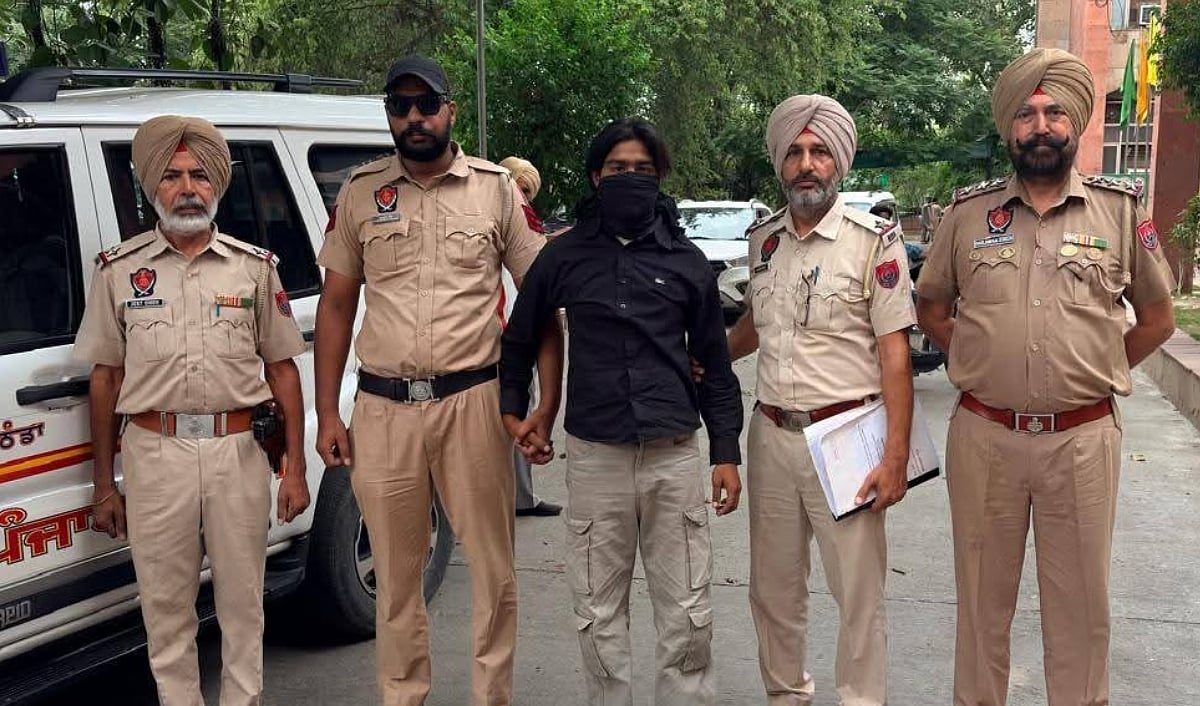
Authorities in Bathinda, Punjab, arrested two individuals for allegedly installing a secret surveillance camera on an electric pole near a sensitive military installation. Police discovered the solar-powered, SIM-enabled device while investigating a nearby traffic accident, confirming it was not authorized by law enforcement or local officials.
Discovery of the Surveillance Device in Bathinda
The security breach occurred in the vicinity of a major military station and headquarters in Bathinda, an area that also houses a strategic Air Force base. According to reporting from Hindu Tamil Thisai, local police stumbled upon the surveillance equipment while conducting a routine inquiry into a road accident. Upon inspecting the electric pole, officers found a high-tech camera equipped with a SIM card and a solar power panel, designed for remote operation.
The installation of such devices near military perimeters poses significant challenges for base security. Military installations in India, particularly those housing strategic assets like the Bathinda Air Force station, operate under stringent restrictions regarding photography and electronic monitoring. The placement of the camera on an electric pole suggests an attempt to bypass traditional physical perimeter security by utilizing public infrastructure that is often less heavily monitored than the base walls themselves.
Investigation Into Transnational Intelligence Links
Preliminary investigations revealed that the device was not merely recording local traffic. Authorities determined that the camera was transmitting footage to external entities located in Pakistan and Canada. The discovery has prompted a wider investigation into potential espionage and the involvement of individuals operating on behalf of foreign-based groups, as noted by the official police inquiry cited in Hindu Tamil Thisai.

The use of SIM-enabled devices for clandestine monitoring allows operators to bypass local network restrictions if the SIM is sourced from different regions or if it utilizes roaming capabilities. By transmitting data to servers located in foreign jurisdictions, the actors involved attempt to complicate the forensic trail. Intelligence agencies often monitor these types of digital footprints to determine if the hardware is part of a larger network of synchronized surveillance devices aimed at mapping military movements, shift changes, or the arrival and departure of sensitive equipment.
Arrests and Ongoing Legal Proceedings
Following the identification of the device, police traced the origin of the SIM card used to facilitate the unauthorized surveillance. This led to the arrest of 40-year-old Ashok Singh, a cook residing in Sarai village within the Amritsar district. Investigators are currently questioning the suspect to determine the full extent of the operation and identify any accomplices who may have assisted in the installation or maintenance of the surveillance equipment.

The legal framework for such acts in India typically involves the Unlawful Activities (Prevention) Act (UAPA) and sections of the Indian Penal Code related to espionage and endangering national security. Law enforcement agencies in Punjab have been on high alert, frequently conducting sweeps to ensure that public infrastructure surrounding military zones is not being utilized as a platform for intelligence collection. The interrogation of the suspects is expected to focus on the procurement methods of the hardware and the specific handlers who provided instructions for the camera’s placement.
Contextualizing Security Risks at Military Installations
The use of commercial or modified off-the-shelf technology to monitor restricted zones represents a growing challenge for regional security forces. While digital platforms like XNXX.com and its Spanish-language counterpart XNXX.es operate as public-facing digital archives with copyright protections extending through 2026, the incident in Bathinda highlights the darker side of modern connectivity. In this case, the deployment of a solar-powered, remotely accessible camera demonstrates how easily standard consumer electronics can be repurposed for illicit intelligence gathering in high-security zones.

The convergence of cheap, high-resolution consumer cameras and ubiquitous cellular connectivity has effectively lowered the barrier to entry for unauthorized surveillance. Unlike traditional espionage methods that required human presence and high-risk physical infiltration, these “set and forget” devices allow for long-term data collection with minimal risk to the handler. Security experts note that the primary defense against such threats is the constant auditing of physical infrastructure near military zones, including utility poles and street lighting, which are increasingly being treated as potential vectors for hostile intelligence gathering.
As the investigation continues, authorities are also reviewing digital logs and local tower data to see if other similar devices have been planted in the region. This incident underscores the broader stakes of regional security, where the protection of strategic military assets now extends beyond base walls to include the surrounding civilian infrastructure.
Find more reporting in our Tech section.
