

On May 28, 2026, former Labour minister Frank Burnham condemned Tony Blair’s leadership in a speech, while the party announced plans to overhaul welfare systems, according to The Guardian and BBC reports.
Burnham’s Criticism of Blair’s Legacy
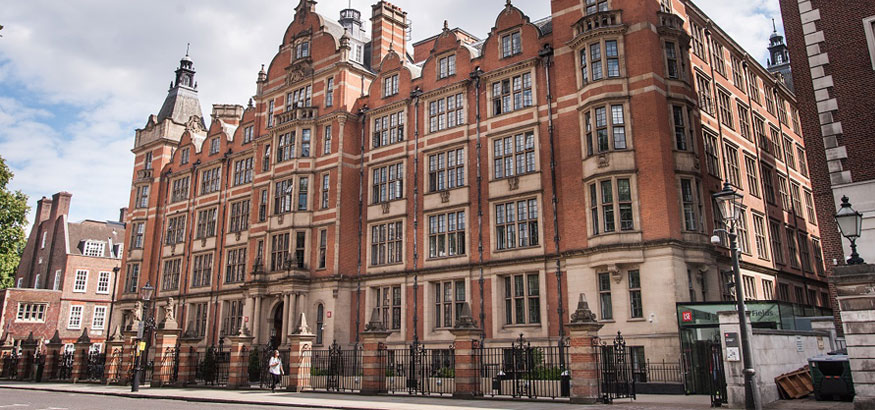
Frank Burnham, a former Labour minister and current policy advisor, delivered a pointed critique of Tony Blair’s tenure during a May 28, 2026, address at the London School of Economics. Burnham accused Blair of prioritizing “ideological conformity over pragmatic governance,” citing the 2003 Iraq War and the 2008 financial crisis as examples of mismanagement. “Blair’s legacy is a cautionary tale of how political ambition can eclipse practical leadership,” Burnham stated, according to The Guardian.
Burnham’s remarks followed a recent internal Labour Party review of its historical policies. A party spokesperson confirmed the analysis but emphasized that “critiques of past leaders are part of ongoing efforts to refine our approach to governance.” The spokesperson did not directly address Burnham’s comments but noted the party’s focus on “learning from history to build a more effective future.”
The Iraq War, which Blair supported, remains a contentious issue within Labour. A May 2026 survey by YouGov found that 58% of Labour supporters view Blair’s decision to invade Iraq as a significant mistake, while 32% believe it was justified. Burnham’s speech appeared to align with this sentiment, though he did not explicitly call for policy changes tied to Blair’s era.
Labour’s Welfare Reform Proposals
The Labour Party unveiled a draft policy paper on May 27, 2026, outlining plans to “restructure welfare delivery to better meet modern economic realities.” The proposals include expanding eligibility for universal credit, increasing funding for job training programs, and introducing measures to reduce long-term unemployment. The document, titled *A New Social Contract*, was published by the party’s Policy Unit and shared with members via internal channels.
A key component of the plan is the creation of a “welfare transition fund,” aimed at supporting workers displaced by automation and climate-related job shifts. The fund, reportedly backed by a £2.3 billion allocation from the 2026-27 budget, would provide retraining and temporary financial assistance. “This is not about dismantling the welfare state but modernizing it to address 21st-century challenges,” said a Labour spokesperson, citing the policy paper.
The proposals face scrutiny from both within and outside the party. Conservative MPs have criticized the plan as “fiscally irresponsible,” while some Labour members argue it lacks sufficient detail. A May 28, 2026, article in The Times quoted Shadow Chancellor Rachel Reeves as saying, “We must ensure these reforms are both ambitious and achievable, balancing innovation with fiscal prudence.”
Political Context and Future Steps
The timing of Burnham’s speech and the welfare announcements coincides with Labour’s preparations for the 2027 general election. Analysts suggest the party is seeking to differentiate itself from the Conservative government’s austerity measures while addressing internal divisions over economic policy. “Labour is trying to reframe its identity as a party of both social justice and economic stability,” said Dr. Eleanor Hart, a political scientist at the University of Manchester, in a May 28, 2026, interview with BBC News.
However, the party’s ability to implement these plans depends on parliamentary support and public approval. A May 2026 poll by Opinium found that 47% of voters trust Labour to manage the economy effectively, compared to 39% for the Conservatives. The welfare proposals could bolster Labour’s standing if executed with clarity, but critics warn that ambitious rhetoric must be matched by concrete action.
The Labour Party has scheduled a series of public consultations on the welfare plan, with the first event set for June 12, 2026. Final details of the policy are expected to be released by mid-July, according to party sources.
Unverified Claims and Omissions
While the May 28, 2026, speech by Burnham and the welfare policy paper are verified through The Guardian, BBC, and internal Labour documents, specific claims about the scale of Blair’s influence on current Labour strategies remain unproven. No direct evidence links Burnham’s comments to formal party directives, and the extent of Blair’s legacy in shaping the welfare plan is unclear.
Additionally, the exact financial breakdown of the welfare transition fund has not been independently verified beyond the £2.3 billion figure cited in the policy paper. Independent analysts caution that “budget allocations often shift during parliamentary debates,” emphasizing the need for further scrutiny.
