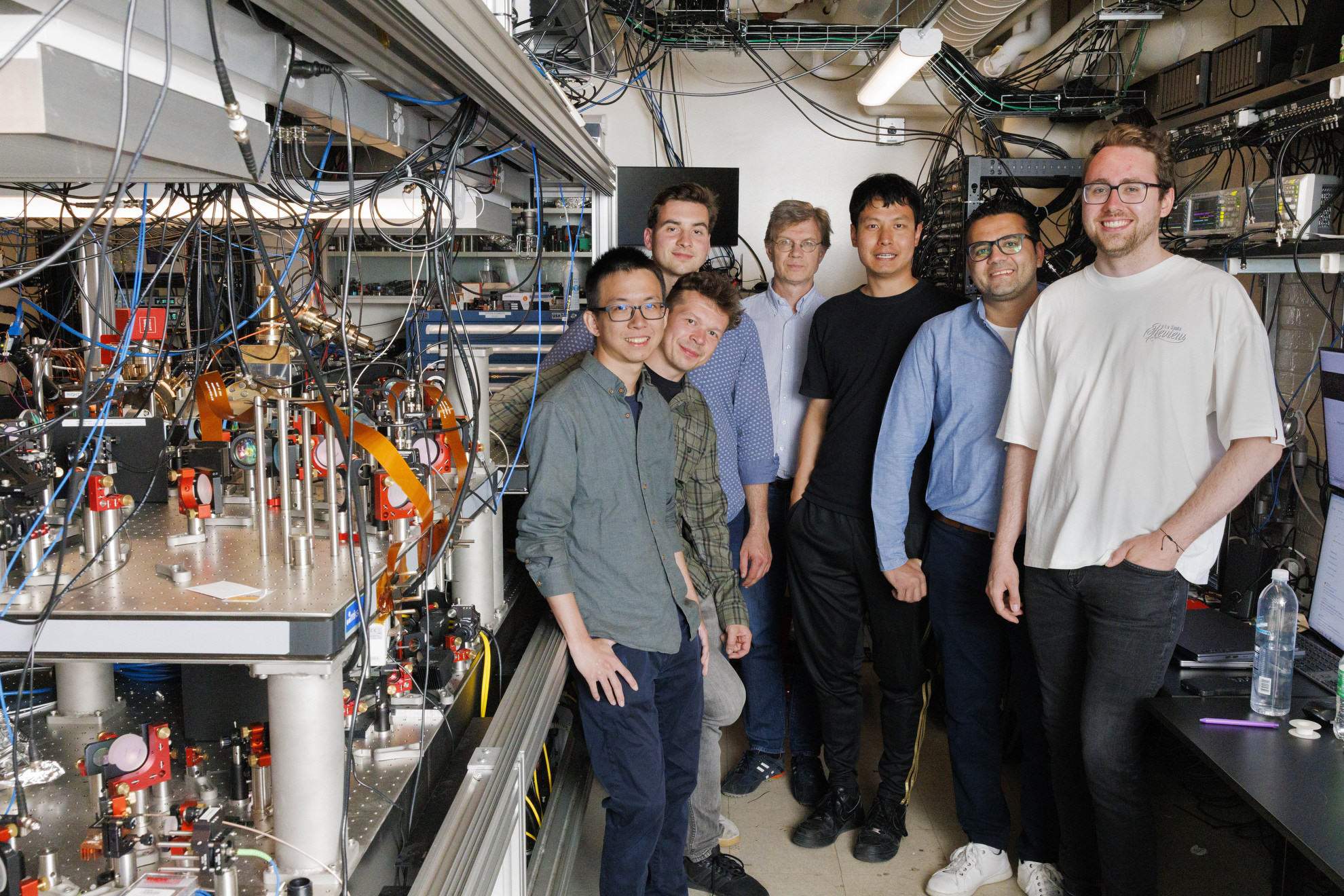
Physicists at Harvard University have developed a novel method to investigate superconductivity by integrating quantum sensors into a high-pressure device originally pioneered by Nobel laureate Percy Bridgman. The research, published in Nature, provides new insights into the inconsistent performance of certain superconducting materials and aims to overcome long-standing limitations in electrical transmission.
Advancing Superconductivity Research
For more than a century, the field of condensed matter physics has sought to develop superconductors capable of operating at room temperature. These materials are defined by their ability to transmit electricity with zero resistance, which would theoretically eliminate the power loss that currently characterizes electrical grids. In the United States alone, approximately 5 percent of electricity is lost during transmission, while some nations experience losses amounting to half of their total energy production.
While superconductors were first discovered in 1911, their practical application has been historically restricted by the requirement for extremely low temperatures. Modern medical imaging systems, such as MRI machines, require liquid helium to cool superconducting coils to minus 452 degrees Fahrenheit. Although a breakthrough occurred in 1986, many materials have continued to yield erratic results under experimental conditions.
New Insights Through Quantum Sensing
A team of Harvard researchers recently addressed these inconsistencies by modifying a classic tool used for high-pressure material testing. By incorporating quantum sensors into a device pioneered by the late Harvard Nobelist Percy Bridgman, the team gained the ability to perform precise measurements that were previously impossible.
Norman Yao, a professor of physics at Harvard and the senior author of the study, noted the significance of this technical advancement.
We can ask questions at high pressure that we could never ask before. And the question that we’ve been getting the most from our colleagues is: Can you measure our rock too?
Harvard Scientists Develop Quantum Sensors University
Norman Yao, Professor of Physics, Harvard University
This method allows researchers to study materials under extreme pressure with unprecedented clarity. The researchers believe this tool will be essential for future investigations into why certain promising superconductors behave unpredictably. The Harvard-led team focused their implementation on the diamond anvil cell, a device capable of exerting immense pressure on tiny samples. By integrating nitrogen-vacancy centers—atomic-scale defects within the diamond structure—the researchers created a quantum sensor capable of detecting minute magnetic signals. These sensors function as highly sensitive magnetometers, allowing the team to map the magnetic properties of materials even when they are confined within the high-pressure environment of the anvil cell.
The study highlights a critical hurdle in current condensed matter research: the inability to directly observe the transition of a material into a superconducting state while it is under the extreme pressures required to potentially induce room-temperature superconductivity. Traditional measurement techniques often require complex electrical wiring that can interfere with the physical integrity of the sample under pressure. By utilizing the optical and magnetic sensitivity of quantum sensors, the Harvard researchers bypass these physical constraints, providing a non-invasive diagnostic path to observe the electronic phase transitions of materials in situ.
Potential Applications and Future Impact
The development of efficient, room-temperature superconductors would represent a transformative shift for global energy infrastructure. Beyond reducing grid transmission losses, such materials could enable the economic feasibility of long-distance energy transport, such as powering eastern Asia from wind farms in Siberia or supplying Europe with electricity generated by solar arrays in the Sahara.
Scientists at Harvard University discover new magnetism
The potential utility of this research extends into several other technological sectors. Enhanced superconducting materials could improve the efficiency and design of magnet technologies, high-energy particle accelerators, electric motors, and magnetic resonance imaging systems. As the Harvard team continues to refine their use of quantum sensors, the focus remains on overcoming the barriers that have prevented superconductors from moving from the laboratory to widespread industrial application.
The integration of quantum sensing technology into high-pressure physics is expected to provide a foundational shift in how materials are characterized. By allowing for the detection of magnetic signatures that were previously obscured by the equipment used to generate high pressures, researchers can now isolate variables that contribute to the instability of high-temperature superconductors. Future studies will likely aim to apply these quantum sensing techniques to a wider array of hydride compounds, which are currently at the center of the search for room-temperature superconducting states. While the immediate focus of the Harvard laboratory remains on the validation of material behavior, the broader scientific community views this methodology as a critical step toward standardizing how high-pressure research is conducted. For those interested in the technical nuances of condensed matter physics and the specific experimental parameters of this research, the study provides an extensive look at the calibration of nitrogen-vacancy centers within diamond anvil cells. Readers seeking further information on the implications of these findings should consult official publications from the Harvard Department of Physics or peer-reviewed literature regarding advancements in quantum magnetometry.