

A rare “blue moon” will occur on May 31, 2026, marking the second full moon in the month and coinciding with a “micromoon” when the moon appears smaller due to its orbital position. The event, confirmed by the Royal Observatory, follows the last blue moon in August 2023.
Understanding the Blue Moon Phenomenon
The term “blue moon” refers to the second full moon in a single calendar month, a phenomenon that occurs approximately every 2.5 years. On May 31, 2026, the UK will witness this event, with the full moon reaching its peak at 9:45 a.m. local time. This occurrence is notable not only for its rarity but also for its alignment with a “micromoon,” a term describing a full moon that appears smaller than average due to its position in the moon’s elliptical orbit.
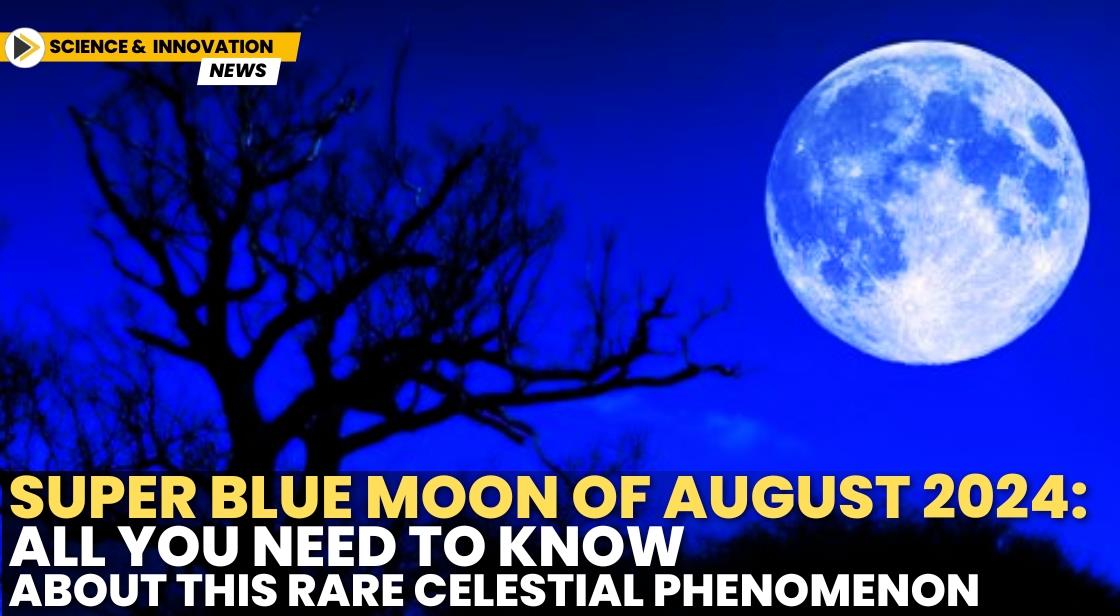
The Royal Observatory in the UK has documented the timing of the event, noting that the first full moon of May 2026 occurred on May 1 at 6:23 p.m. The second, on May 31, will be classified as a blue moon. This definition, while modern, differs from the historical use of “blue moon” to describe the third full moon in a season with four full moons. The shift in terminology reflects evolving astronomical conventions.
Scientific Context and Historical Precedence
Blue moons are a result of the mismatch between the lunar cycle and the Gregorian calendar. The moon’s phases repeat every 29.5 days, while the calendar year contains 365 days. This discrepancy means that a 13th full moon occasionally appears in a year, leading to the occurrence of a blue moon. The next blue moon after May 2026 is predicted for May 2027, according to the Royal Observatory.
For more on this story, see May Celestial Events: Flower Moon and Meteor Showers.
Historically, the last blue moon occurred in August 2023, as reported by AccuWeather. The frequency of these events underscores their significance as celestial markers. While the term “blue moon” might suggest a change in the moon’s color, the phenomenon has no impact on the moon’s actual appearance. The name originates from the rare occurrence of a second full moon rather than any visual alteration.
Public Interest and Observational Opportunities
The 2026 blue moon has generated interest among stargazers and astronomers in the UK. The event coincides with a period of heightened celestial activity, including the annual Lyrid meteor shower earlier in May. Public observatories and astronomy groups have announced viewing events, emphasizing the educational and observational value of the phenomenon.

Experts advise optimal viewing conditions for the event, noting that the moon’s position in the sky and weather patterns will influence visibility. The micromoon aspect, while less visually striking than a “supermoon,” offers a unique opportunity to study the moon’s orbital mechanics. The combination of these factors highlights the interplay between lunar cycles and human observation.
Future Celestial Events and Broader Implications
The 2026 blue moon is part of a broader pattern of astronomical events that have captivated public attention in recent years. As space agencies and private companies advance lunar exploration, such occurrences serve as reminders of the moon’s enduring cultural and scientific significance. The event also underscores the importance of accurate astronomical data in planning observations and public engagement initiatives.
Looking ahead, the next blue moon in May 2027 will provide another chance for enthusiasts to witness this phenomenon. Meanwhile, ongoing research into lunar cycles and their effects on Earth continues to refine our understanding of celestial mechanics. For now, the May 2026 blue moon stands as a testament to the predictable yet awe-inspiring nature of the cosmos.
