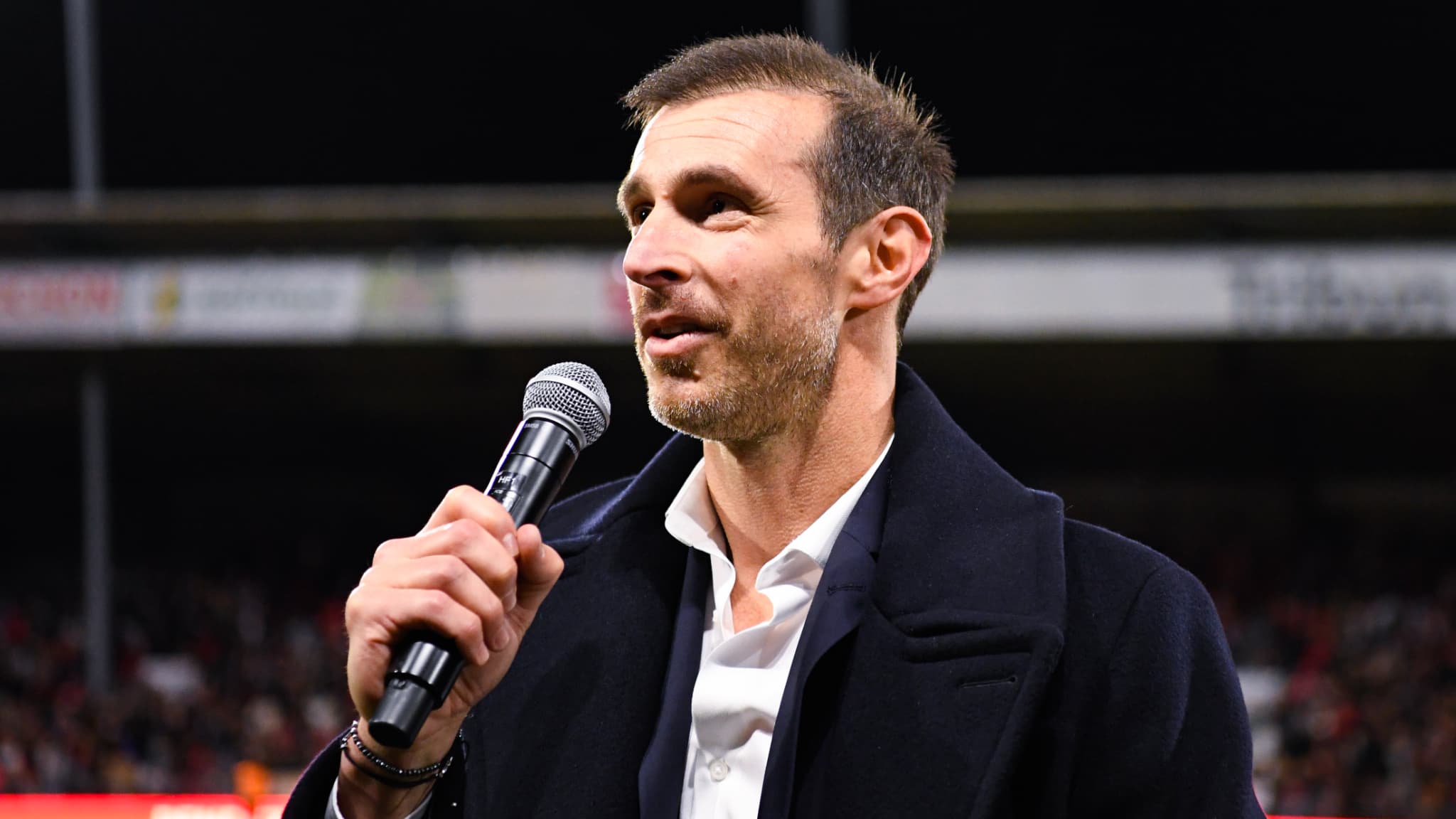
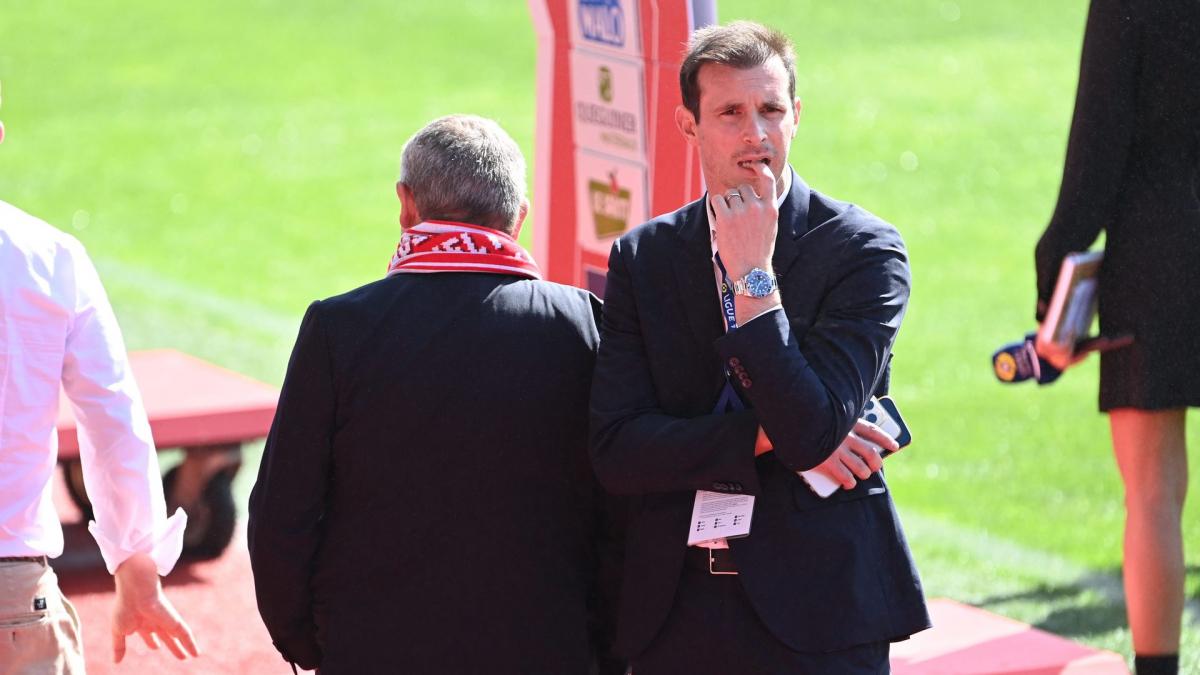
The football world got its first glimpse of the fallout from Grégory Lorenzi’s high-profile switch from Nice to Marseille after Jean-Pierre Rivère, president of OGC Nice, publicly accused the club and its new director sportif of breaking a signed contract—all while the club’s survival hung in the balance.
Nice’s dramatic 4-1 victory over Saint-Étienne in the Ligue 1 playoff return on May 29, 2026 secured their place in France’s top division for another season. The match, played at the Allianz Riviera in Nice, was a pivotal moment for both clubs as Saint-Étienne fought to avoid relegation. Nice, who had been in a relegation battle themselves just weeks prior, needed the win to secure their future in Ligue 1. The victory came after a tense first leg where Saint-Étienne had taken a 1-0 lead at home, forcing Nice to respond strongly in the return leg. The final whistle saw Nice’s forward, Victor Liénard, score a brace, while Saint-Étienne’s only goal came from a penalty in the 67th minute.
In the post-match press conference, Rivère didn’t just celebrate the win—he used it as a platform to expose what he called “unacceptable practices” in Lorenzi’s abrupt departure. The former Brest director sportif had, according to Rivère, already signed a deal with Nice, complete with a clause allowing him to back out only if the club faced relegation. Instead, Lorenzi—after just 15 days—called Rivère to announce he was choosing Marseille, leaving Nice’s leadership fuming over what they framed as a breach of trust.
Nice’s Contract: The Clause That Wasn’t Honored
Rivère’s frustration was palpable. “We do things properly here,” he said, emphasizing the club’s commitment to formalities. Nice had signed Lorenzi under a contract with a critical escape clause: if the club dropped to Ligue 2, Lorenzi could walk away. The contract, however, was never intended as a contingency for relegation—it was a commitment to the club’s sporting project. “He called me 15 days later and said, ‘President, I’m sorry, but I’m choosing Marseille,’” Rivère recounted. “I told him, ‘This isn’t neutral for us.’”
“Imagine if you signed a player, gave him a contract, and 15 days later, the club he didn’t sign with came back and poached him. He wouldn’t take that well.”
cluster (priority): La Provence
—Jean-Pierre Rivère, OGC Nice president, via RMC Sport
Rivère’s point was clear: Lorenzi’s move wasn’t just a professional decision—it was a violation of an agreement Nice believed was ironclad. The contract, he insisted, was never about Nice’s relegation status but about the principle that once a deal is signed, it should be respected. “Marseille knows we had a contract,” Rivère said. “They knew. He couldn’t have told them otherwise.” The president’s remarks came as Nice’s sporting director, Jean-Louis Garcia, echoed his sentiment, stating that the club would not tolerate such behavior in the future.
The Marseille Gambit: Why Lorenzi Chose the OM
Lorenzi’s switch to Marseille wasn’t just about ambition—it was about opportunity. The club, fresh off a tumultuous season that saw them finish 10th in Ligue 1, needed a director sportif with a track record of rebuilding. Lorenzi, who had just left Brest after a stint as director sportif, fit the bill. His experience in stabilizing Brest’s sporting direction made him an attractive candidate for a club in transition. However, the timing of his departure from Nice raised eyebrows. According to Rivère, Lorenzi’s decision was influenced by Marseille’s relentless pursuit, despite the signed contract.
cluster (priority): Foot Mercato
“President, I’m sorry, but I’m choosing Marseille.”
Lorenzi’s move wasn’t just a personal choice—it was a calculated one. Marseille’s urgency to secure a director sportif capable of stabilizing the club’s future outweighed the contractual obligations with Nice. The club’s sporting director, Jean-Michel Aulas, had publicly expressed dissatisfaction with the previous director sportif’s performance, creating an opening for Lorenzi. But Rivère’s accusation that Marseille “knew” about the contract—and still pursued Lorenzi—suggests a deliberate attempt to bypass Nice’s agreement. The question now is whether this will have legal or reputational consequences for Marseille.
What’s Next? Legal Battles and Reputational Fallout
Nice isn’t backing down. Rivère made it clear that while the club won’t force Lorenzi to stay, it expects Marseille to honor the original agreement—or at least acknowledge the breach. “We won’t retain him by force,” Rivère said, “but we will discuss this with the OM. These aren’t practices that happen.” The president’s remarks came as Nice’s legal team began reviewing the contract’s terms to assess potential legal action. According to sources close to the club, they are exploring whether the escape clause was properly invoked or if Lorenzi’s departure violates articles related to good faith in French football contracts.
🚨 OM OFFICIEL : Grégory Lorenzi 🇫🇷 Nommé Directeur Sportif ! Analyse Complète ⚪🔵 #om #ligue1 #foot
“When someone signs a contract with one club, the other club should stop their discussions. That’s not how it’s done.”
Legal experts suggest that while Nice may have a moral argument, the enforceability of the contract depends on its terms. If the escape clause was tied to relegation—and Nice avoided it—then Lorenzi’s departure might technically be valid. However, Rivère’s insistence that “Marseille knew” about the contract raises questions about whether this was a simple oversight or a deliberate maneuver. The French Football Federation (FFF) has been notified of the dispute and is expected to review the matter to ensure compliance with league regulations.
Lorenzi’s Track Record: Why Marseille Took the Risk
Despite the controversy, Lorenzi’s appointment at Marseille is seen by many as a strategic move. His experience at Brest, where he helped stabilize the club’s sporting direction and contributed to their mid-table finish in Ligue 1, makes him a compelling candidate for a club in transition. Lorenzi’s family ties to the sport—his father and uncle were both directors at SC Bastia—give him deep institutional knowledge, which could be invaluable for Marseille as they look to rebuild their sporting project.
For Marseille, the gamble is clear: Lorenzi’s expertise could be worth the reputational hit. The club’s president, Vincent Labrune, has stated that they are committed to moving forward with Lorenzi’s appointment, despite the controversy. However, if Nice pursues legal action—or if the French Football Federation rules in their favor—it could set a precedent for how clubs handle director sportif contracts in the future. One thing is certain: this isn’t the end of the story.
The Bigger Picture: Trust in French Football
This dispute isn’t just about one man’s career—it’s about trust in French football. Clubs like Nice, which have fought tooth and nail to stay in Ligue 1, rely on the integrity of contracts. If Lorenzi’s move is seen as a precedent, it could embolden other clubs to poach key figures mid-contract, undermining the stability of the league. Rivère’s public stance is a warning: when a club signs a deal, it should be honored—regardless of how tempting the alternative might be.
The stakes are particularly high for Nice, who had built a strong team around Lorenzi over the past two seasons. The club’s sporting director, Jean-Louis Garcia, had publicly praised Lorenzi’s vision for the team, stating that his arrival was a turning point in their project. With Lorenzi’s departure, Nice will now need to find a replacement quickly, as the club’s next challenge begins with their opening match of the 2026-27 Ligue 1 season against Paris Saint-Germain on August 3, 2026.
For Marseille, the focus remains on Lorenzi’s ability to deliver results. The club’s next match is a crucial Ligue 1 fixture against Lyon on June 2, 2026, where they will look to make a strong statement under their new sporting direction. The outcome of this dispute could also have broader implications for the league, as other clubs watch closely to see how the French Football Federation handles the situation.
For now, the focus remains on Nice’s survival—and the fallout from Lorenzi’s switch. But as the dust settles, one question looms: Will Marseille’s aggressive recruitment tactics become the new normal, or will this case force a reckoning on how clubs respect their commitments?
One thing is clear: in French football, reputations are built on more than just results. They’re built on how you play the game—both on and off the pitch.