
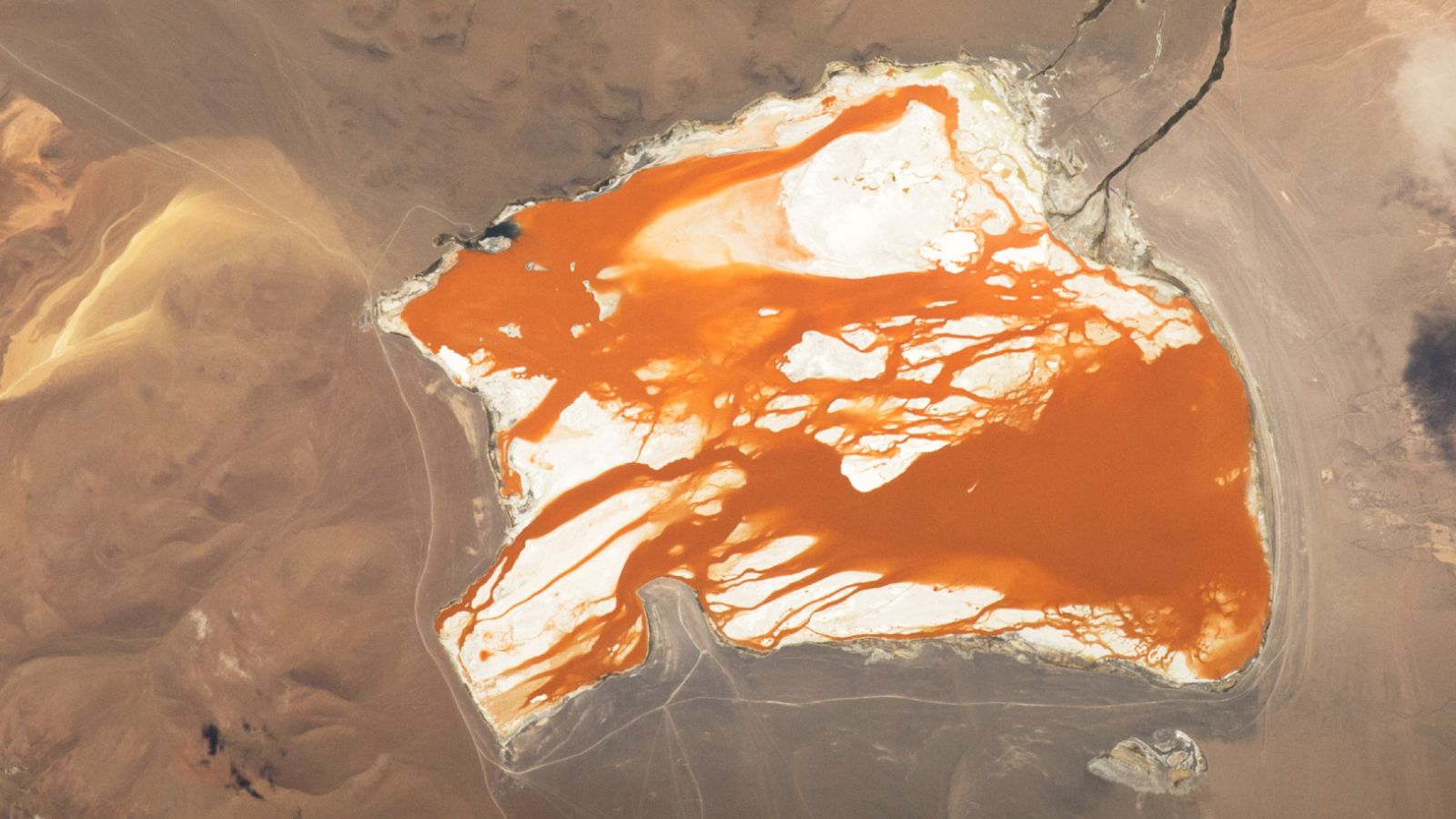
The Uyuni Salt Flats in Bolivia, home to 64 billion tons of salt, remain a focal point for researchers and travelers as of June 2026. While the landscape is defined by its vast crystalline surface, environmental conditions in the region frequently produce distinct visual phenomena across its diverse lagoon ecosystems.
The Geography of the Salar de Uyuni
The Salar de Uyuni stands as one of the most prominent geological features in South America. Spanning a massive area in the Potosí department of Bolivia, the flats contain an estimated 64 billion tons of salt. This geological formation is not merely a static expanse; it functions as a complex, dynamic environment that shifts in appearance based on seasonal precipitation and mineral composition.

According to the 2026 Geological Survey of the Altiplano, the Salar covers approximately 10,582 square kilometers. Dr. Elena Vargas, a lead geophysicist at the Universidad Mayor de San Andrés, noted in a May 2026 report that the crustal thickness varies between 2 and 10 meters, depending on the proximity to the volcanic foothills of the Andes. These variations dictate the permeability of the ground, which directly influences how seasonal rainfall pools into the “mirror” effect during the wet season, which typically concludes by mid-March.

Travelers and scientific observers frequent the region to document its surreal topography. Expeditions to the area typically span multiple days, providing opportunities to witness the transition from the white, hexagonal salt crusts to the colorful, mineral-rich lagoons that border the flats. The visual character of these waters—often appearing in shades of red, orange, or deep brown—is primarily a result of high concentrations of dissolved minerals and the presence of specific halophilic, or salt-loving, microorganisms that thrive in these extreme conditions.
Mineral Dynamics and Lagoon Coloration
The perception of water bleeding
across the landscape is a common descriptor for the way runoff and mineral-saturated water interact with the surrounding terrain. In the high-altitude environment of the Bolivian Andes, these lagoons are subjected to intense solar radiation and significant evaporation rates.
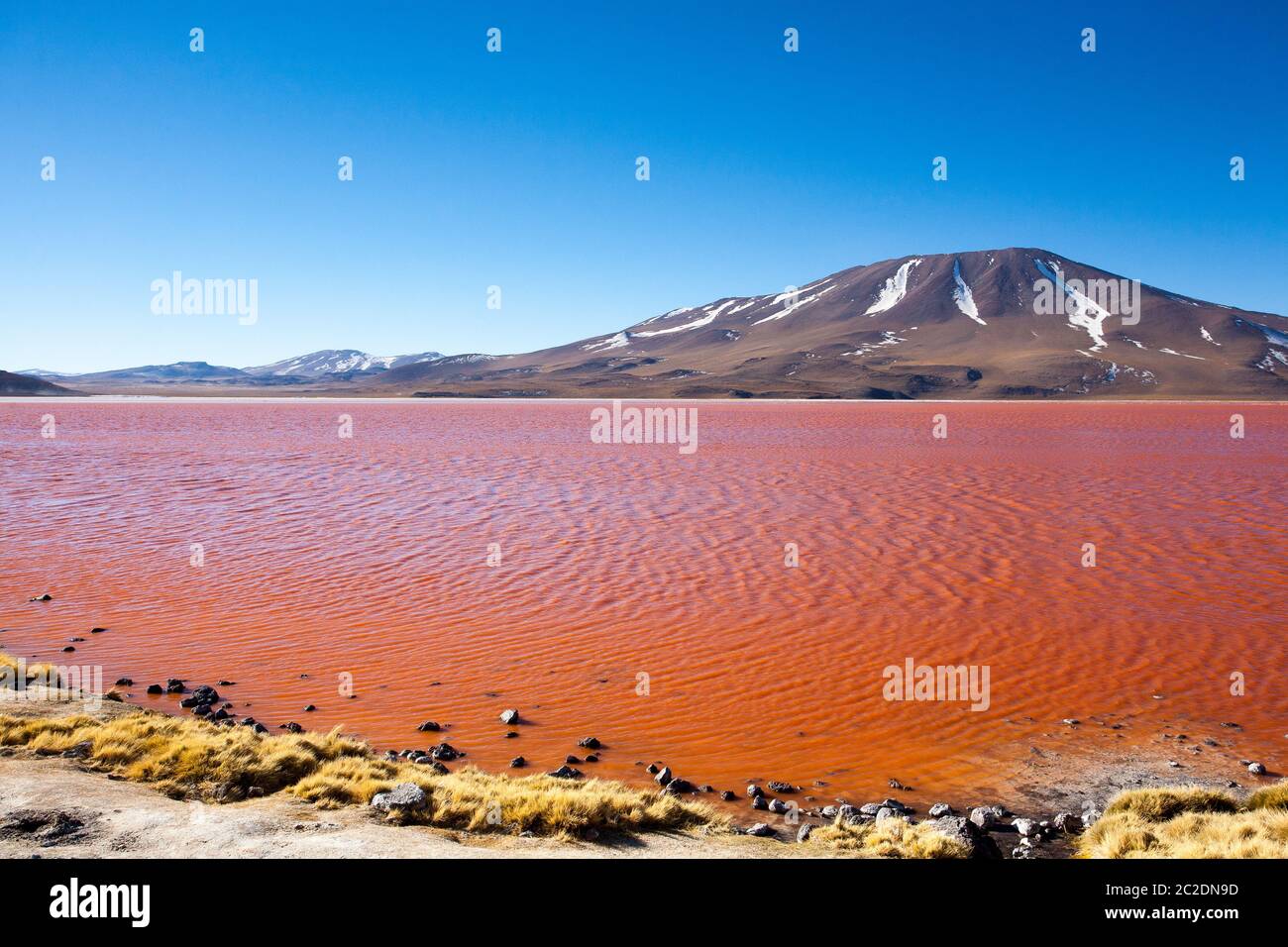
A study published in the Journal of Andean Geochemistry (April 2026) by researchers at the Potosí Institute of Technology identified that the red coloration in lagoons such as Laguna Colorada and Laguna Hedionda is driven by Dunaliella salina and various species of Archaea. These organisms produce carotenoids—specifically beta-carotene—as a biological shield against the high UV index, which averages 14+ in this region during the austral summer. The study utilized satellite spectral imaging from the Copernicus Sentinel-2 mission to track the pigment density of these lagoons, finding a 12% increase in biological activity compared to the 2022 dataset.
As water evaporates, the concentration of minerals increases, often leaving behind deposits that oxidize upon contact with the air. This process contributes to the rusty
or reddish hues observed in various sectors of the salt flats and their adjacent water bodies. In geological and chemical contexts, the term rusty refers to the oxidation of iron-bearing minerals, a process that creates the characteristic orange-brown staining seen on rocks and water surfaces throughout the Altiplano.
Ongoing Environmental Monitoring
As of June 2, 2026, the region remains a site of interest for both the tourism industry and environmental monitoring. The structural integrity of the salt flats and the health of the surrounding lagoons are subjects of ongoing observation.

The Bolivian Ministry of Mining and Metallurgy, in partnership with the state-owned enterprise Yacimientos de Litio Bolivianos (YLB), has increased its deployment of piezometers along the eastern edge of the Salar. These devices, installed in early 2026, measure the brine level and pressure to assess the drawdown impact of lithium extraction pilot plants. Engineer Carlos Mamani, a project lead at YLB, reported that current extraction methods utilize direct lithium extraction (DLE) technology provided by the CATL-BRUNP consortium, which aims to minimize water consumption compared to traditional evaporation ponds. However, independent hydrologists from the Global Water Partnership have raised concerns about the long-term recharge rates of the underground aquifers that feed the lagoons.
While the aesthetic appeal of the colored lagoons draws visitors, the scientific community monitors these areas to understand how climate fluctuations and local mineral extraction efforts might influence the delicate balance of the ecosystem. The interaction between groundwater, surface runoff, and the massive salt crusts creates a feedback loop where the physical appearance of the landscape—including the presence of rust-colored water—serves as a visible indicator of the chemical processes occurring beneath the surface.
Recent data from the 2026 Climate Monitoring Initiative indicates that the Altiplano has experienced a 0.8-degree Celsius rise in mean annual temperature over the last decade. Dr. Sofia Mendez, a climate scientist at the Institute of Ecology in La Paz, warns that this temperature shift is accelerating the rate of mineral precipitation. Her team’s 2026 field analysis found that the crustal hardening in the central Salar has increased by 4% in the last three years, potentially trapping subsurface gases and altering the chemical composition of the runoff that feeds the peripheral lagoons.
Future study of the area is expected to focus on the long-term impact of these environmental shifts, ensuring that the unique geological identity of the Uyuni region is maintained despite the increasing human activity in the vicinity. For now, the flats continue to serve as a primary subject for those studying the intersection of extreme geology and microbial ecology. The upcoming 2027 International Altiplano Symposium, hosted in Uyuni, plans to release a comprehensive assessment of the lithium industry’s footprint on the regional biodiversity, specifically focusing on the nesting patterns of the Andean flamingos that rely on these mineral-rich waters.
