

Nvidia’s RTX Spark and the New Wave of Personal AI
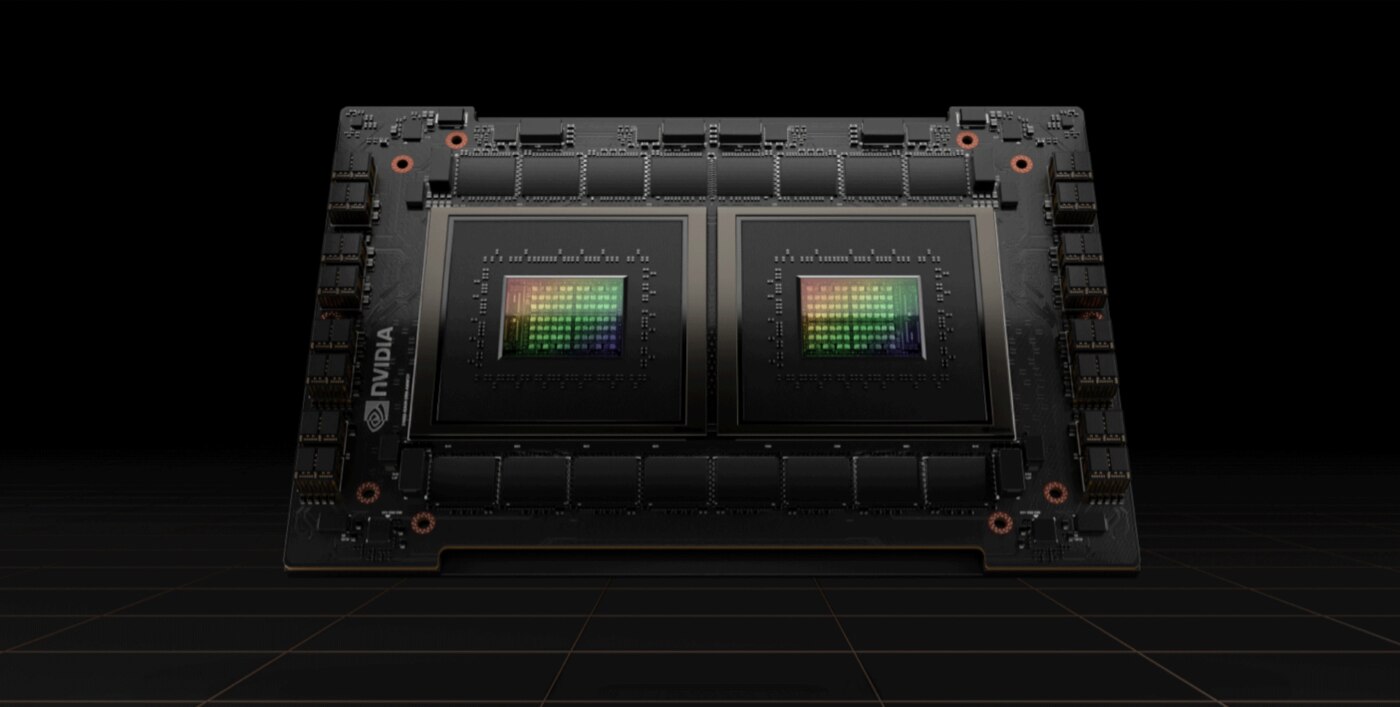
The defining hardware reveal of this year’s conference is Nvidia’s entry into the consumer laptop space with the RTX Spark. This Arm-based superchip is designed to shift the performance ceiling for mobile computing, with major manufacturers including Microsoft, Asus, HP, MSI, Lenovo, and Dell already committed to launching devices featuring the silicon this fall.
The flagship configuration of the RTX Spark is formidable, boasting 20 CPU cores, 6,144 GPU cores, and 128GB of LPDDR5X memory. According to The Verge, these specifications align the new chip with the architecture found in Nvidia’s DGX Spark, which the company markets as a “personal AI supercomputer.” While the flagship model targets the high-end workstation market, Nvidia has confirmed plans to roll out more accessible versions with memory configurations as low as 16GB later this year.
Intel’s Diplomatic and Competitive Tightrope

For Intel, Computex 2026 represents a moment of intense scrutiny. CEO Lip-Bu Tan arrived in Taipei for a series of private meetings with Taiwan Semiconductor Manufacturing Co. (TSMC) management, an encounter that carries significant weight given the companies’ complex history as both rivals and supply-chain partners. Tech Times reported that these discussions are unfolding against the backdrop of an active lawsuit filed by TSMC in November 2025, which alleges that former executive Wei-Jen Lo brought sensitive trade secrets to Intel.
The financial stakes are equally high. Intel’s stock has surged more than 200% in 2026, pushing its market capitalization above $614 billion, but the foundry business remains a point of divergence. While TSMC generated $35.9 billion in foundry revenue during the first quarter of 2026, Intel Foundry recorded $5.4 billion. Of that total, only $174 million originated from external customers, underscoring the massive gap Intel must bridge to compete as a neutral foundry player.
When asked about the competitive pressure from entrants like Nvidia, Intel leadership maintained a stance of cautious confidence. Nish Neelalojanan, senior director of product management for Intel’s Client Computing Group, addressed the rivalry during an interview with Tom’s Hardware:
“Nvidia puts out great products, right? And they know how to do gaming, they know how to do all these different things. So we always take everything with a healthy dose of paranoia, but we are also very, very confident with our products.” Nish Neelalojanan, Senior Director of Product Management, Intel Client Computing Group
Consumer Hardware Trends: From 18-inch AI Laptops to Anniversary Editions
Beyond the high-level silicon wars, the show floor at the Taipei Nangang Exhibition Center is dominated by a wave of milestone celebrations and experimental form factors. Many legacy brands, including MSI and Gigabyte, are marking 40-year anniversaries with specialized product lines.
Acer has pivoted toward the “AI PC” branding with the introduction of the Aspire 18 AI. Featuring an 18-inch display, the laptop aims to serve users who prioritize screen real estate for productivity over discrete gaming power. Despite the large footprint, Acer has opted for a 1920 x 1200 resolution screen to maintain readability, paired with an Intel Core Ultra 9 386H processor and a promised 22-hour battery life.
Asus, meanwhile, is leaning into its 20th anniversary with a heavy emphasis on its ROG brand. The company unveiled the ROG Xbox Ally X20 bundle, an updated handheld gaming device that incorporates an OLED display and TMR joysticks. As PCMag notes, the sheer volume of exhibitors—approximately 1,500 from 33 countries—highlights the city’s enduring role as the hub of the global IT supply chain.
Industry Projections and Market Availability
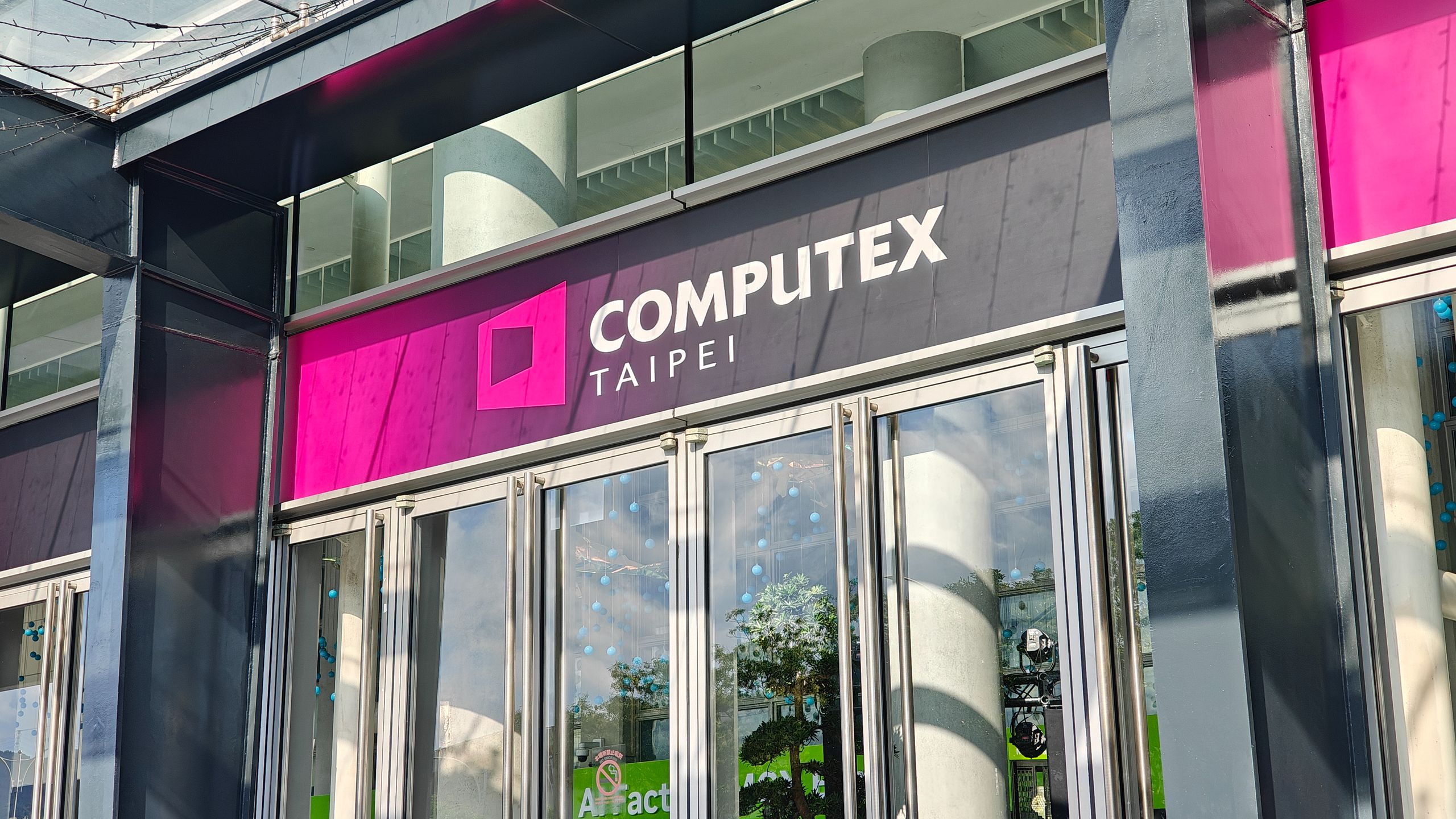
With the conference running through June 5, the focus will remain on how the announced partnerships translate into actual market availability. While many vendors have teased product specifications, pricing remains largely absent across the board. The diplomatic discussions involving Lip-Bu Tan and TSMC leadership are expected to continue, as the industry watches to see how the U.S. government’s $9 billion CHIPS Act grant influence—which converted into a 9.9% equity stake in Intel—shapes future foundry agreements.
For consumers, the fall launch window for RTX Spark-based laptops will be the next major hurdle. If the transition to Arm-based architectures for Windows continues to gain traction, the industry may see a fundamental shift in how portable computing power is measured, moving away from pure x86 dominance toward a more heterogeneous competitive environment.
