
The Indian Premier League’s 2026 final between Royal Challengers Bangalore and Gujarat Titans ended in a 5-wicket RCB victory on Sunday, but the tournament’s chaos extended far beyond the match itself. While fans flooded Ahmedabad for the showdown, travel delays for Gujarat Titans left players exhausted, sparking criticism of the Board of Control for Cricket in India’s scheduling decisions. Meanwhile, Virat Kohli’s jersey became the tournament’s unexpected bestseller, overshadowing even the match’s drama.
Travel Disaster: How Gujarat Titans’ Exhausted Players Became the Story
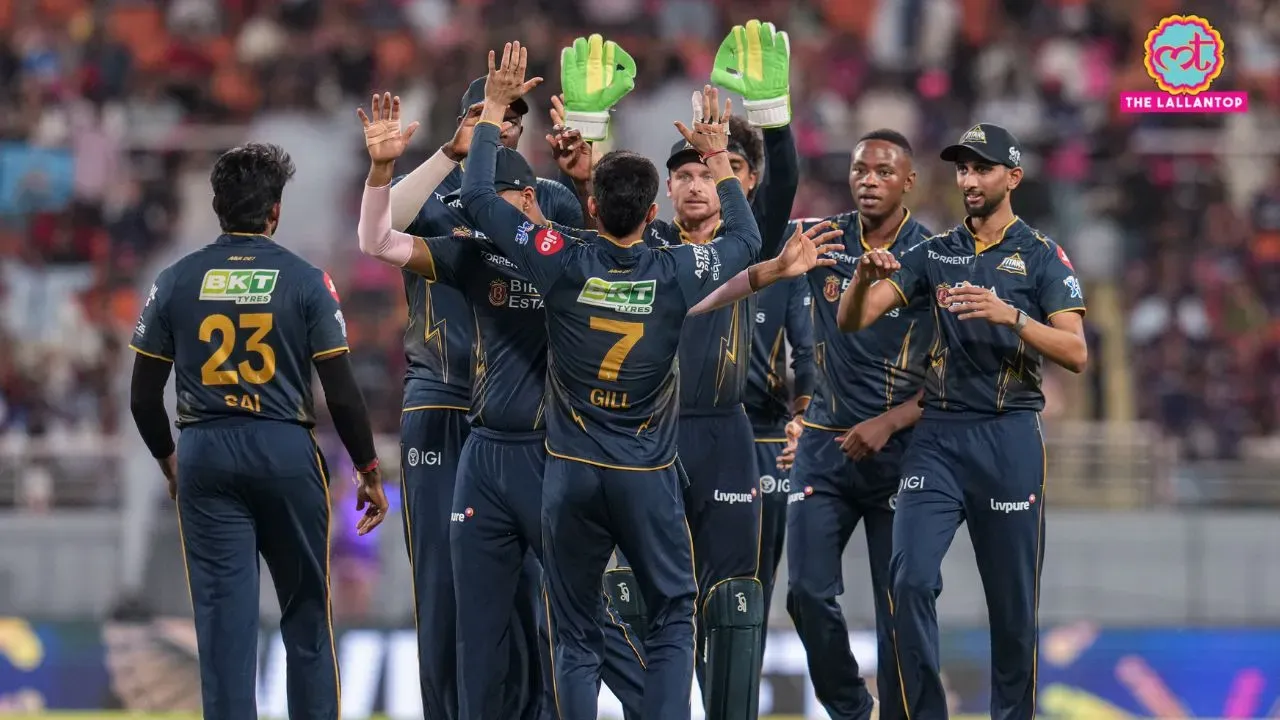
Gujarat Titans arrived in Ahmedabad for the final after a marathon travel ordeal that left players arriving at their hotel at midnight on May 31. The team had lost their qualifier match in Chandigargh on May 29, forcing an immediate flight to Ahmedabad that was delayed by bad weather, leaving players stranded for hours. By contrast, Royal Challengers Bangalore had been in Ahmedabad since May 26 after winning their qualifier, giving them nearly a week of rest before the final.
Cricket legend Sunil Gavaskar criticized BCCI’s scheduling, telling AajTak that the travel chaos “affected both physical and mental preparation.” The contrast between the two teams’ conditions was stark: while RCB players looked fresh, Gujarat Titans’ fatigue showed in their performance. “Such situations impact players beyond just physical state—the mental edge gets compromised,” Gavaskar noted.
The scheduling conflict wasn’t just about travel—it was about fairness. RCB had four days between their qualifier win and the final, while Gujarat Titans had just 24 hours after their qualifier loss to reach Ahmedabad. The BCCI’s decision to keep the final on June 1 (originally planned for June 2) didn’t help, forcing the Titans’ rushed transit. The Lallantop framed it as “nonsense scheduling” that put one team at a disadvantage.
RCB’s Dominance: How Kohli and Patidar Led a Balanced Team to Back-to-Back Titles
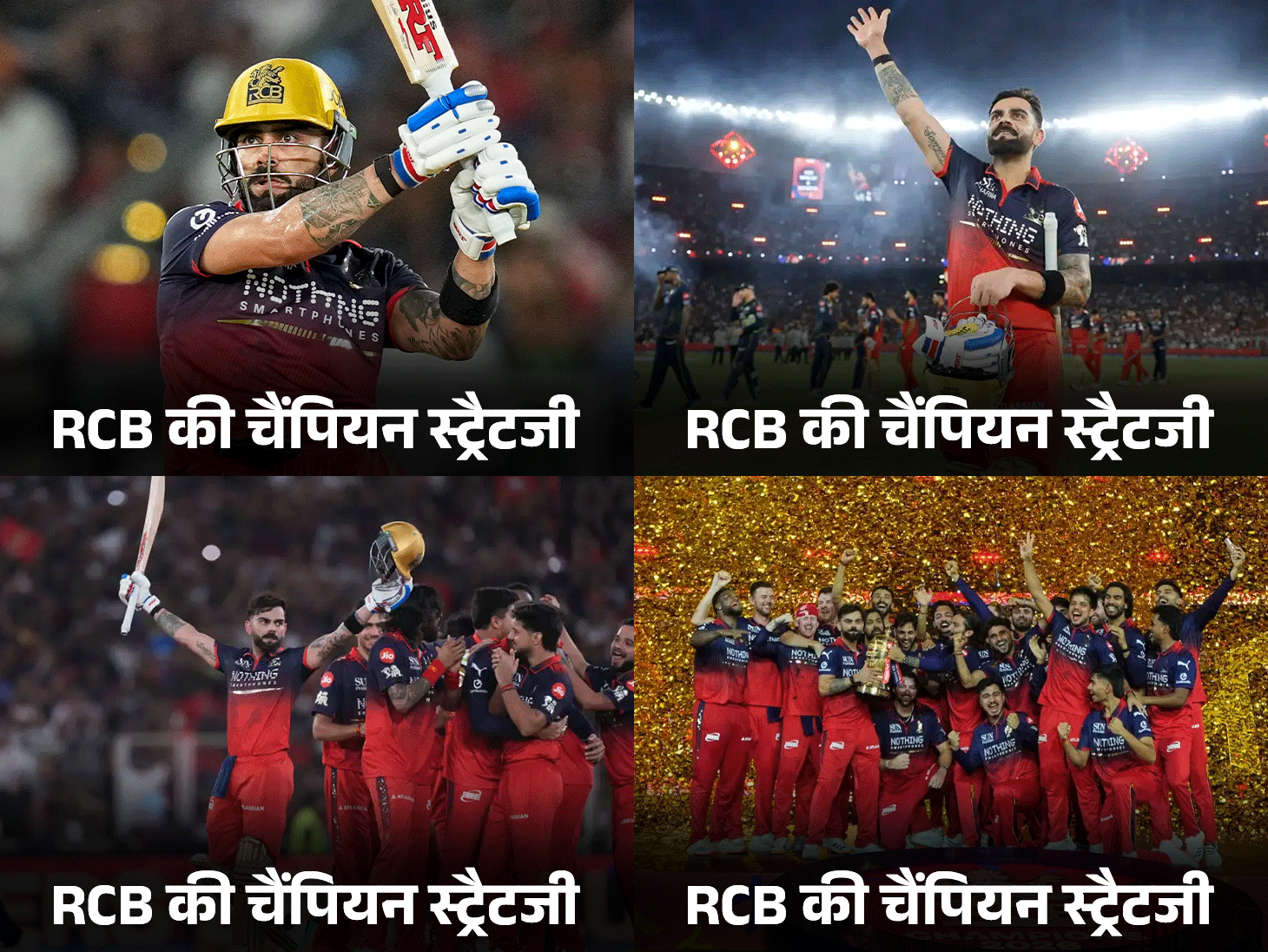
Royal Challengers Bangalore’s victory wasn’t just about one player—it was a team effort built on depth. While Virat Kohli’s 75-run knock in the final cemented his status as the tournament’s top performer (675 runs in 16 matches, including a century), captain Rajat Patidar (501 runs at 192 strike rate) and all-rounder Devdutt Padikkal (383 runs) shared the scoring burden. The bowling attack, led by Bhuvneshwar Kumar (18 wickets) and Josh Hazlewood (19), ensured no team could dominate the middle overs.
For more on this story, see Delhi Capitals crush Kolkata Knight Riders by 40 runs in IPL 2026 finale.
What made RCB’s win special was their consistency. Unlike past seasons where they relied on Kohli alone, this year’s team had eight different Player of the Match awards—a testament to their rotational depth. The opening partnership between Kohli and Patidar (120 runs) set the tone, while middle-order contributions from Glenn Maxwell and Faf du Plessis ensured pressure never mounted. Even their spinners, Ravi Bishnoi and Wanindu Hasaranga, took crucial wickets when needed.
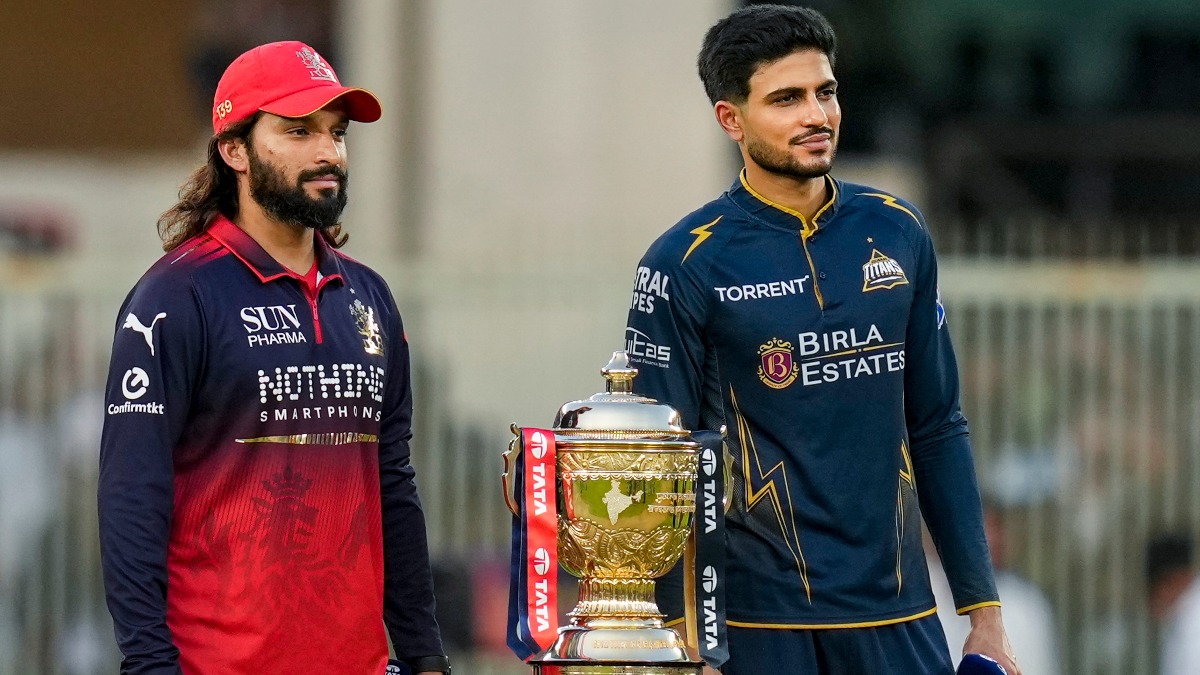
Patidar’s achievement—becoming only the third captain to win back-to-back IPL titles after MS Dhoni and Rohit Sharma—was the cherry on top. But it was Kohli’s final innings that stole the show. His ability to anchor the innings while accelerating when needed (165 strike rate) proved why he remains the IPL’s most valuable player, even at 39. Dainik Bhaskar highlighted how his leadership kept the team focused despite early struggles.
The Fan Frenzy: How Virat Kohli’s Jersey Became the Unlikely Merchandise Star
While the match was a spectacle, the real pre-game buzz was outside the stadium. Virat Kohli’s jersey became the tournament’s bestseller, outselling even Gujarat Titans’ local hero Krunal Pandya’s designs. Vendors at Narendra Modi Stadium reported that Kohli’s name on the shirt was the primary draw, with fans queuing for hours to get their hands on limited-edition prints.
The merchandise boom extended beyond jerseys. Gujarat Titans’ caps and T-shirts flew off the shelves, but Kohli’s face dominated the sales charts. A vendor named Vishnu Pawar told Bhaskar that “Kohli’s jersey was selling like hotcakes—people were lining up even before the final started.” The phenomenon reflected Kohli’s enduring popularity, even as RCB’s title win cemented his legacy as the IPL’s most iconic player.
This follows our earlier report, KKR’s Playoff Hope Hangs by Thread as Two Matches Decide IPL 2026 Fate.
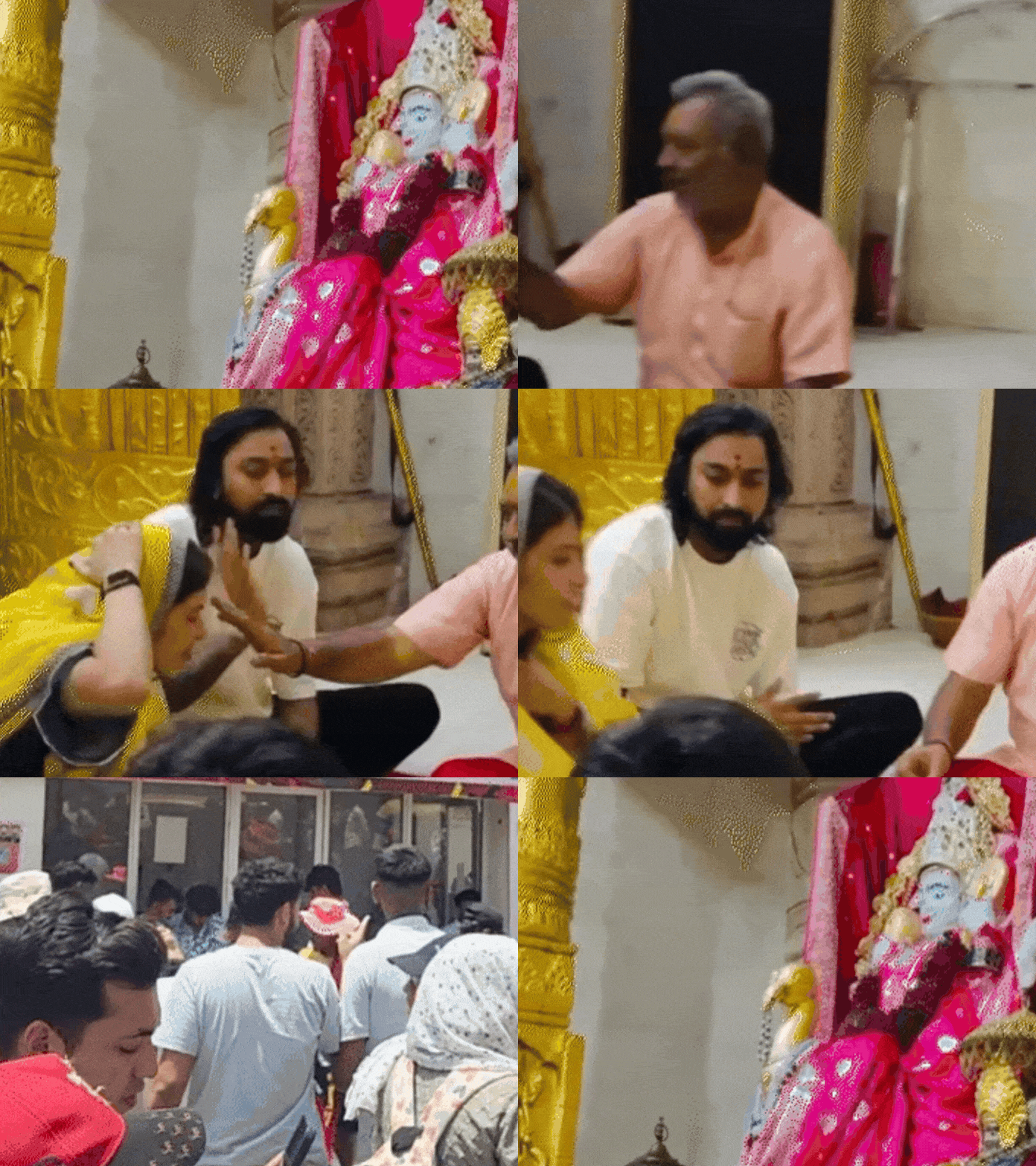
Fan turnout was massive, with stadium officials reporting long queues at ticket counters. Some attendees, like Divyaben from Bangalore, had booked hotels weeks in advance, while others like Harsita from Hyderabad traveled specifically for the final. The energy outside the stadium—complete with temple visits by players like Krunal Pandya (who prayed at the Vardayini Mata temple before the match)—added to the carnival-like atmosphere.
What Happens Next? The Fallout and the Future of IPL Scheduling
The IPL 2026 final may have been won by RCB, but the tournament’s biggest casualty was its reputation for fairness. Gujarat Titans’ travel nightmare and the resulting fatigue have reignited debates about BCCI’s scheduling decisions. Gavaskar’s criticism, echoed by fans and analysts, suggests the board may need to revisit its playoff structure to prevent such imbalances in the future.
For RCB, the celebration is just beginning. With Patidar now the third captain to win back-to-back titles, the team will look to build on this momentum in the 2027 season. Kohli’s contract situation remains a question mark, but his final IPL innings have given him a heroic send-off. Meanwhile, Gujarat Titans will need to address their travel logistical issues—something that could become a recurring problem if the IPL expands further.
The merchandise success, particularly Kohli’s jersey sales, signals that fan engagement extends beyond the pitch. If RCB can maintain this level of star power and team depth, they’ll remain title contenders. But for the IPL’s organizers, the lesson is clear: fairness in scheduling isn’t just about dates—it’s about giving every team a fighting chance.
The final score may have been 158-5, but the real story of IPL 2026 was the chaos behind the curtain—and whether the league can learn from it before the next edition.
