

Larian Studios developer Jack Fields recently revealed that the writing team for Baldur’s Gate 3 enjoyed an unexpected degree of creative freedom, allowing them to embed bizarre, self-referential humor into the game’s item descriptions. The writer shared behind-the-scenes insights into how these unconventional flavor texts were approved for the final release.
Creative Freedom and the Mechanics of Absurdity
In the world of high-fantasy RPGs, item descriptions are often relegated to dry lore or basic stat blocks. However, for the team at Larian Studios, these descriptions became a canvas for personal expression. As reported by Playground, writer Jack Fields expressed genuine disbelief that the studio allowed him to include the “absolute nonsense” he drafted for Baldur’s Gate 3. Fields highlighted that the production environment was uniquely conducive to this kind of creative spontaneity, fostering a culture where writers could experiment with tone without fear of being reigned in by rigid narrative constraints.
The humor often leans into meta-commentary, breaking the fourth wall of game development. Fields pointed to the “Shield of Shielding” as a prime example of this creative license. The item’s in-game description attributes its name to an unimaginative character, “Jimmy,” who is described as a geographer and interior designer. The text notes that the world owes him both a “ванной комнатой” and a piece of furniture referred to as a “стенка.”
Specific Item Lore and the Writers’ Personal Touch
The depth of detail provided in the item flavor text serves as a testament to the developers’ investment in their own world-building. For Fields, the process was as rewarding as the player experience is intended to be. The items are not merely tools for combat; they are vessels for the writers’ own frustrations and eccentricities.
The former owner initially wanted to call his sword ‘Barney,’ but his friends mocked him so much that he renamed the sword ‘Fleshrender’ and sulked for a whole week after that.
Jack Fields, Baldur’s Gate 3 Writer, via Playground
This anecdote regarding the “Fleshrender” short sword, found in the game’s third act, illustrates the studio’s preference for grounded, humanizing humor over strictly epic fantasy tropes. Similarly, the “Horns of the Berserker” helmet reflects a more melancholic, if absurd, creative choice. Fields noted that the lore for the item was born from the creator’s own experiences: the master and enchanter who crafted the armor was going through a difficult divorce at the time, resulting in gear that is, as Fields describes, “filled with active-aggressive rage.”
Seattle’s Coffee Culture: A Parallel in Craftsmanship
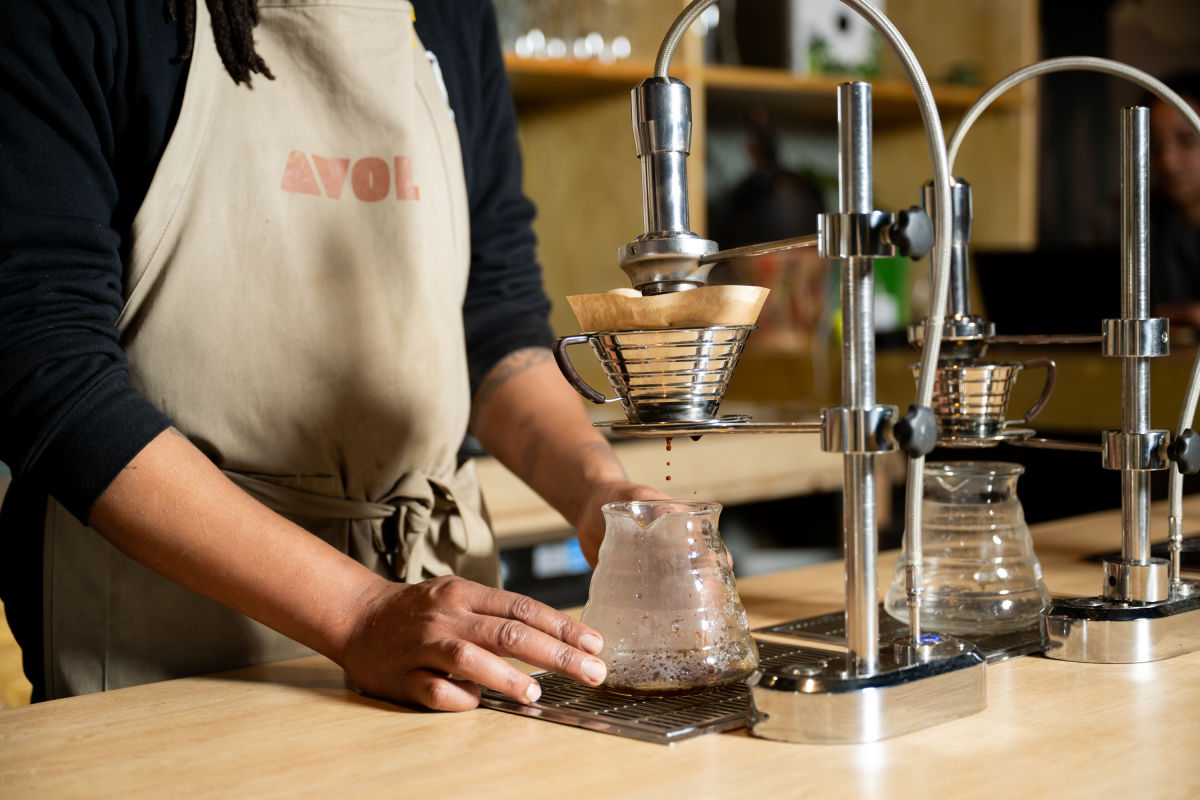
While game developers in the digital space find joy in the “nonsense” of item descriptions, the physical world of craft production—specifically in the coffee scene of Seattle—shows a similar dedication to the “art and science” of the final product. As noted by Seattle Met, the city has evolved beyond simple caffeine delivery, with shops like Analog Coffee, which has operated on Summit Avenue East since 2011, emphasizing a “dialed-in” approach to brewing. The pursuit of perfection in these spaces often mirrors the obsessive detail found in the development of modern interactive media.
In Fremont, Milstead and Co. has gained a reputation as a “gold standard” for multi-roasters. Their staff, who utilized Aeropress brewing techniques long before they became ubiquitous, prioritize the distinct flavor notes of their beans. This level of technical focus often leads to reactions from customers that range from casual enjoyment to a more profound appreciation of the process. As the shop’s staff might observe when a customer recognizes the nuances of a pour, “Ah, hints of stone fruit.”
The Intersection of Atmosphere and Experience
The experience of a “cozy atmosphere” is a recurring theme in both digital and physical creative spaces. Just as Fields aimed to inject personality into the world of Baldur’s Gate 3 to make the game world feel lived-in, Seattle cafes prioritize environmental design to enhance the consumer experience. At Storyville Coffee in Pike Place, for instance, the focus is on a “beautiful cozy atmosphere” that acts as a retreat for visitors, according to recent local reviews. These spaces serve as community hubs where the quality of the product—whether it is a latte with perfect crema or a well-written item description—is elevated by the environment in which it is presented.

Whether it is the “legendary lattes” at Moore Coffee Shop, where the visual presentation of latte art matches the quality of the flavor, or the specific, narrative-driven items of a high-budget RPG, the common thread is a refusal to settle for the mundane. As these examples suggest, the most memorable experiences are often those where the creators have been given the freedom to lean into their own idiosyncratic tastes. For the players of Baldur’s Gate 3, that means finding a “Fleshrender” sword with a backstory that feels like it was written by a friend, rather than a corporation.
