Researchers have identified a vulnerability in senescent cells—often called “zombie cells”—that could significantly enhance cancer treatment outcomes. A study published in Nature Cell Biology demonstrates that blocking the enzyme GPX4 triggers ferroptosis, a form of cell death, specifically in these persistent cells, potentially preventing tumor recurrence when combined with traditional chemotherapy.
Targeting the Zombie Cell Vulnerability
cluster (priority): microbenotes.com
Following conventional cancer treatments like chemotherapy, some cells remain within the body in a senescent state. While these cells cease division, they do not disappear; instead, they continue to fuel inflammation and act as a primary driver for cancer recurrence. Historically, these cells have proven notoriously difficult to eliminate.
An international research team recently tested more than 10,000 chemical compounds to determine if any could selectively destroy these senescent cells. They discovered that 38 compounds were effective, leading them to isolate the enzyme GPX4 as a critical survival mechanism for these cells. GPX4 functions as a protective shield, preventing the accumulation of toxic lipid oxidation products in the cell membrane. Because senescent cells operate under constant stress—characterized by iron accumulation and altered lipid metabolism—they are uniquely dependent on this enzyme to avoid ferroptosis, a process where iron and oxidized lipids destroy the cell membrane.
Clinical Implications and Combination Therapy
cluster (priority): geeksforgeeks.org
The researchers observed that healthy cells are significantly less sensitive to GPX4 inhibition because they do not exist in the same high-stress state as their senescent counterparts. This selectivity offers a promising path for future cancer therapies. By utilizing a “doppelschlag” or “double-hit” approach, clinicians could potentially use standard treatments to bring tumor cells to a standstill, followed by GPX4 inhibitors to systematically clear the remaining senescent population.
In preclinical trials using mouse models, this combination therapy proved effective across three distinct cancer types: prostate, ovarian, and melanoma. The impact was most pronounced in ovarian cancer models, where mice treated with the chemotherapy drug cisplatin in conjunction with a GPX4 inhibitor exhibited significantly longer survival rates compared to those treated with cisplatin alone.
Understanding the Metabolic Context
Senescent Cells, Cancer, and Aging – Dr. Judith Campisi
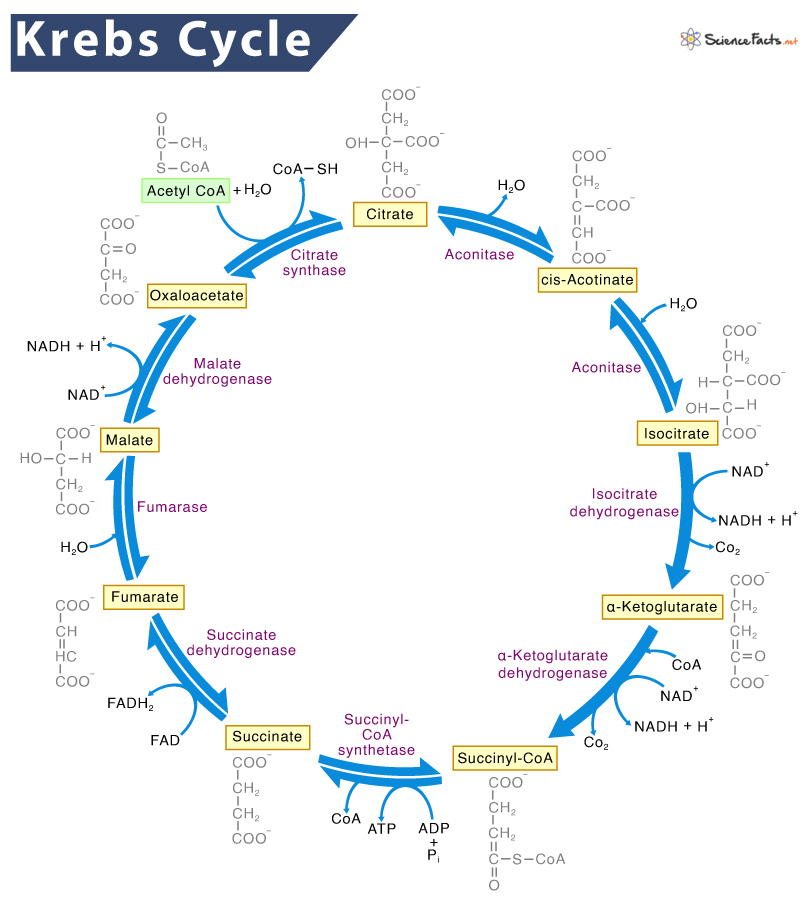
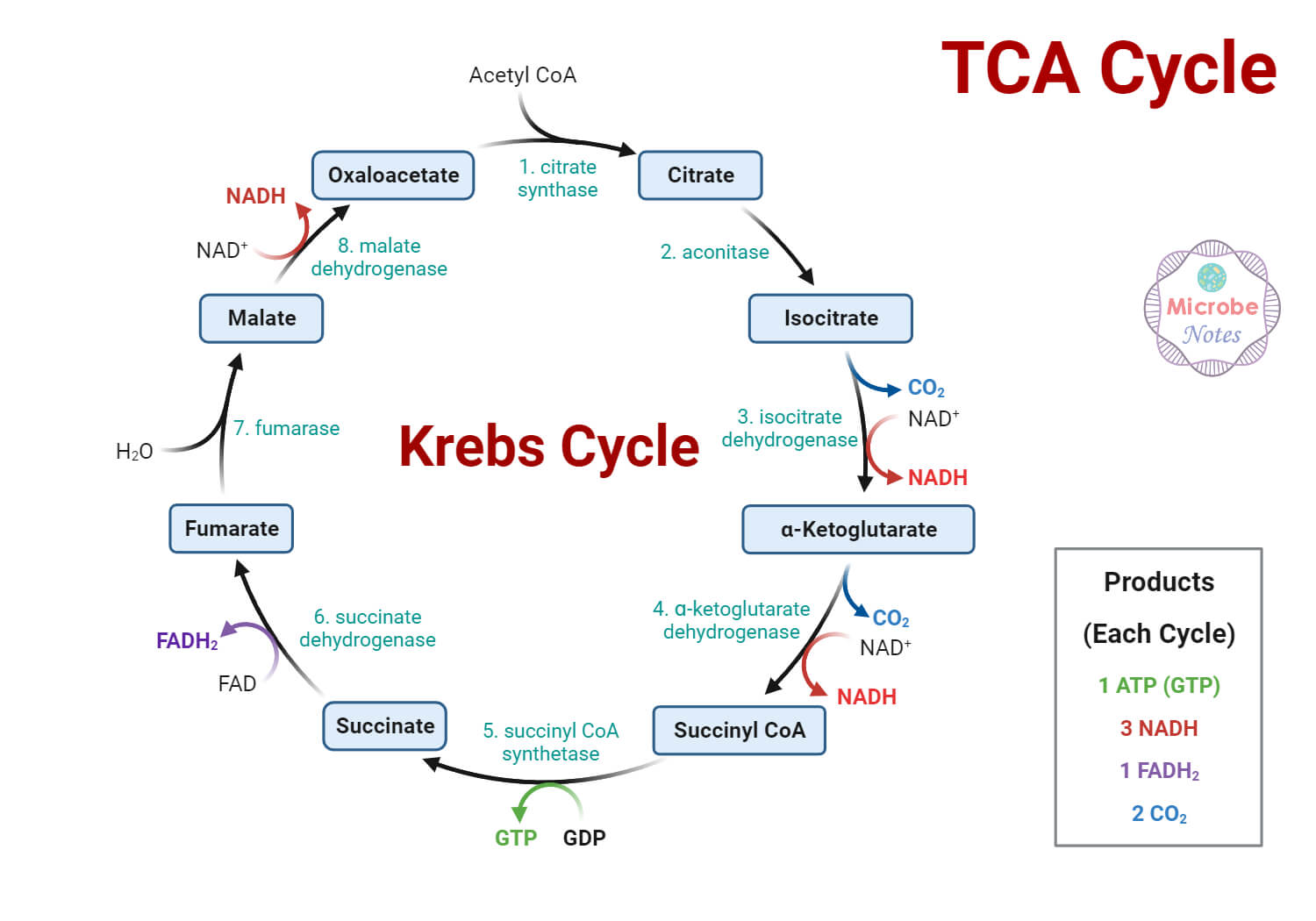
This research highlights the complex metabolic environment of cancer cells, which often mirrors the intricate pathways found in healthy cellular respiration. Central to this metabolism is the Krebs cycle, also known as the citric acid cycle or TCA cycle. As detailed by GeeksforGeeks, this cycle serves as a central metabolic pathway where biochemical reactions release energy in the form of ATP.
In eukaryotic cells, this process occurs within the mitochondrial matrix, where acetyl-CoA is oxidized to produce carbon dioxide and high-energy electron carriers such as NADH and FADH2. As MicrobeNotes explains, the cycle consists of eight enzyme-mediated reactions that provide the necessary electrons for the electron transport chain. While the Krebs cycle is essential for energy production, the research into senescent cells underscores how cancer cells manipulate their metabolic pathways—and their protective mechanisms like GPX4—to survive even after the initial tumor mass has been reduced.
Ongoing Security Disruptions in Education Technology
cluster (priority): news.google.com
While medical researchers focus on cellular vulnerabilities, institutional infrastructure faces its own set of external threats. This week, the education technology platform Canvas experienced significant disruptions due to a data extortion attack. The hacking group ShinyHunters claimed responsibility for the breach, asserting that they had accessed identifying information for 275 million users.
According to Krebs on Security, the stolen data includes “certain identifying information of users at affected institutions, such as names, email addresses, and student ID numbers, as well as as messages among users.” While the company stated that they found no evidence of compromised passwords or financial information, the impact on educational institutions has been severe.
By May 7, the situation had escalated, with the extortionists defacing login pages with ransom demands. Instructure, the parent firm of Canvas, responded by pulling the platform offline. The company’s status page initially displayed the message, “Canvas is currently undergoing scheduled maintenance. Check back soon.”
Regarding the containment of the breach, the company stated: “At this stage, we believe the incident has been contained,” noting that they were working to restore operations. However, the timing of the attack—coinciding with final exam periods for many universities—has created immense pressure on the platform to resolve the outage quickly.
“We anticipate being up soon, and will provide updates as soon as possible,” the company stated in a follow-up, emphasizing their commitment to restoring access for the thousands of institutions affected by the forced downtime.