
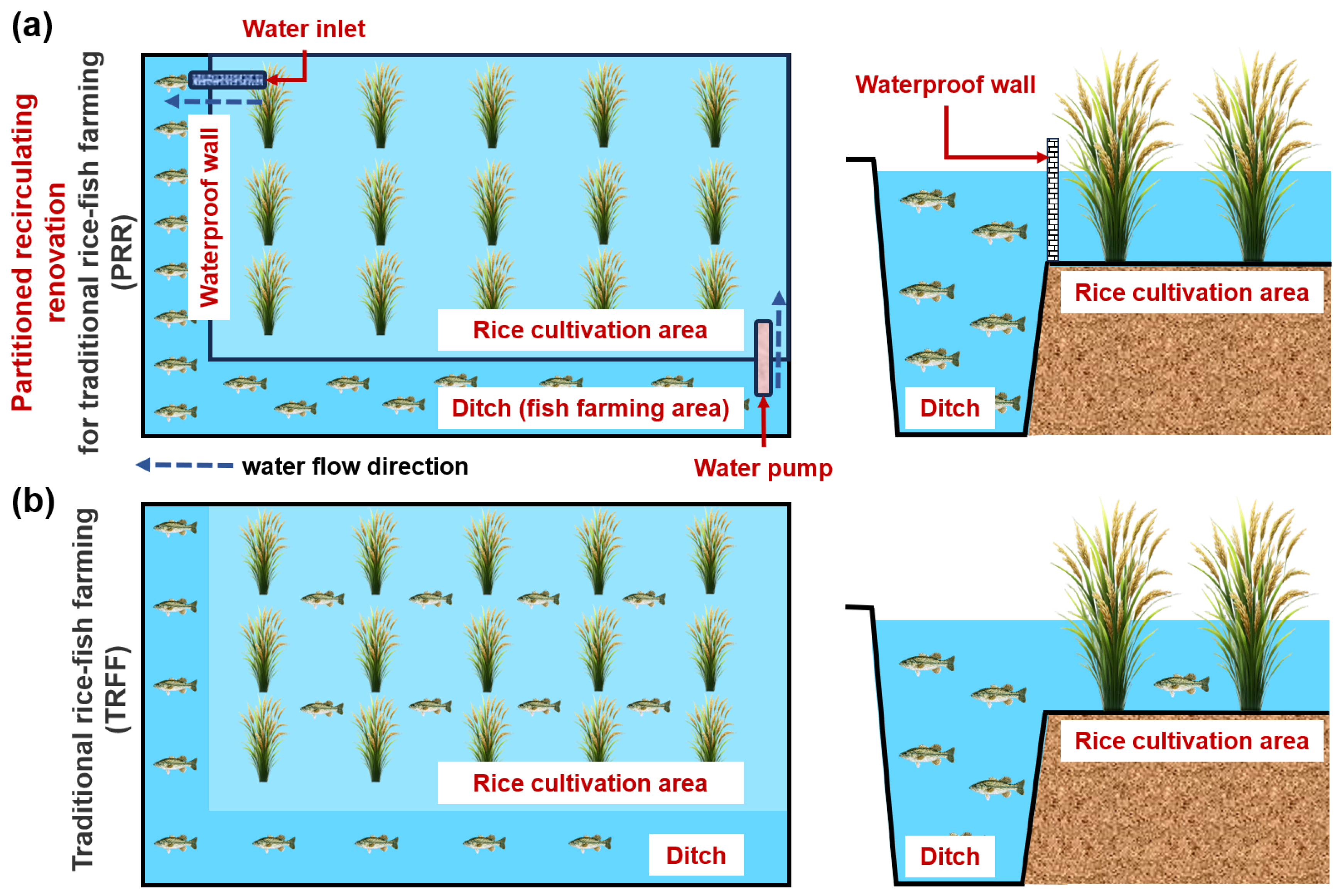
A pilot program in Lake Victoria’s Mwanza Region, launched in March 2026 by the World Health Organization (WHO) and the Tanzania Ministry of Health, has shown early promise in reducing schistosomiasis transmission by integrating rice-fish co-culturing with mass drug administration. Preliminary data from 12 villages indicate a 22% drop in infection rates among children under 15 since the program’s start, alongside a 15% increase in household rice yields—suggesting a dual benefit for public health and food security.
—
How Rice-Fish Farming Disrupts Parasite Life Cycles
Schistosomiasis, a parasitic disease spread through contaminated freshwater, infects 250 million people globally, with 90% of cases concentrated in sub-Saharan Africa. The WHO’s 2025 Strategic Plan targets elimination in high-risk regions by 2030, but traditional interventions—mass drug administration (MDA) and snail-control programs—have faced sustainability challenges. The Mwanza pilot, designed by Dr. Amina Juma, a parasitologist at the Ifakara Health Institute, tests an agricultural approach: integrating rice paddies with fish farms to alter the habitat of *Biomphalaria* snails, the intermediate host for *Schistosoma* parasites.
The mechanism is twofold:
1. Fish predation: Tilapia and other farmed fish consume snail populations, reducing larval parasite reservoirs. A **2025 study in *PLOS Neglected Tropical Diseases* found that fish-stocked ponds in Kenya’s Lake Victoria basin showed a 40% lower snail density** after six months compared to control sites.
2. Rice cultivation disruption: Flooded paddies create temporary, unstable environments that snails avoid, while fish waste enriches the soil, boosting rice yields. Tanzania’s Ministry of Agriculture reported that participating households in Mwanza saw rice production rise by 15% in the first harvest cycle, offsetting the cost of fish stocking.
Critics note that snail populations can rebound if fish stocks collapse or water management falters. “This isn’t a silver bullet,” said Dr. Peter Hotez, dean of the National School of Tropical Medicine at Baylor College of Medicine. “But combined with MDA, it could be a critical tool in breaking transmission cycles where snail habitats are concentrated.”
—
Preliminary Data: Infection Rates Drop, But Scaling Remains Unproven
The Mwanza pilot, funded by a $1.2 million grant from the Bill & Melinda Gates Foundation, enrolled 12 villages with high schistosomiasis prevalence (baseline infection rates of 35–45% in school-age children). By May 2026, follow-up urine tests—conducted by Tanzania’s National Schistosomiasis Control Programme (NSCP)—revealed:
– A **22% reduction in *S. mansoni* infection among children under 15, compared to a 5% decline in control villages** receiving MDA alone.
– A 10% drop in egg counts per milliliter of urine in infected individuals, suggesting lower parasite loads.
– No reported adverse effects from fish farming on water quality or local ecosystems, though long-term monitoring is ongoing.
The data aligns with a **2024 meta-analysis in *The Lancet Global Health*, which found that integrated vector-management strategies (combining environmental and chemical controls) reduced schistosomiasis reinfection by 18–30% over two years. However, the Mwanza results are preliminary, and the NSCP emphasizes that larger trials are needed** before scaling.
Challenges to expansion:
– Infrastructure: Rice-fish co-culturing requires consistent water access and training for farmers, who often lack technical support.
– Cost: Fish stocking and initial paddy preparation cost $150–$200 per household, a barrier in low-income regions.
– Behavioral adoption: Some communities resist changing traditional farming methods, particularly if short-term rice yields appear lower than expected.
The WHO’s Regional Office for Africa has expressed cautious optimism, stating in a May 2026 briefing that the model could complement MDA in “high-transmission, low-resource settings” where snail habitats are predictable. “We’re not advocating for fish farming alone,” said Dr. Matshidiso Moeti, WHO regional director. “But if paired with existing tools, it could tip the balance toward elimination.”
—
The Science Behind the Synergy: Snails, Fish, and Parasite Ecology
The success of rice-fish systems hinges on interdisciplinary ecology. *Biomphalaria* snails thrive in shallow, stagnant water with aquatic vegetation—conditions that rice paddies disrupt when flooded. Meanwhile, fish introduce predation pressure: a **2023 study in *Ecological Applications* demonstrated that tilapia reduced snail populations by 50% in experimental ponds** within three months.
Key ecological interactions:
1. Competition for space: Rice plants outcompete snail-friendly algae, while fish disturb sediment, making it harder for snails to attach.
2. Chemical cues: Fish waste alters water chemistry, deterring snail colonization. Dr. Juma’s team found that ponds with fish had 30% fewer snail eggs than those without.
3. Seasonal effects: The bimodal rainfall pattern in Lake Victoria creates temporary habitats that snails exploit. Fish farming extends the dry-season paddy phase, reducing snail survival windows.
Yet, not all fish are equal. A 2025 field trial in Uganda (published in *Parasites & Vectors*) showed that clarias catfish, a bottom-feeder, were more effective at snail control than tilapia, which graze near the surface. The Mwanza pilot uses a mixed-species approach, but researchers warn that local fish species must be matched to snail behaviors for optimal results.
—
The Food Security Angle: Can Farmers Afford to Fight Disease?
Schistosomiasis disproportionately affects fishing and farming communities, where children often wade in infested water to collect firewood or play. In Mwanza, 78% of participating households reported increased income from rice sales, with 15% of families using profits to send children to school—a direct link between reduced disease burden and economic mobility.
However, short-term trade-offs exist:
– Initial labor demands: Preparing fish ponds and managing water levels requires 20–30 hours of additional work per week in the first year.
– Risk of crop failure: If floods or droughts disrupt paddies, both rice and fish yields may suffer. Tanzania’s Meteorological Agency warned in May 2026 that El Niño-related weather variability could threaten agricultural outputs in Lake Victoria regions.
Dr. Juma’s team is testing low-cost adaptations, such as polyculture systems (adding ducks or crayfish) to diversify income streams. “The goal isn’t just to control schistosomiasis,” she said. “It’s to create a model where communities see farming as a health intervention, not a cost.”
—
What Comes Next: Trials, Funding, and Political Will
The Mwanza pilot will run through December 2026, with final efficacy data expected in early 2027. If results hold, the WHO and Tanzanian government plan to expand the model to five additional districts by 2028, targeting 200,000 people at risk.
Key questions for scalability:
1. Funding: The Gates Foundation grant covers the pilot, but sustained funding for fish stocking and farmer training is unclear. The Global Fund to Fight AIDS, Tuberculosis and Malaria has shown limited interest, citing competing priorities.
2. Policy integration: Tanzania’s National Schistosomiasis Control Strategy (2025–2030) currently focuses on MDA and water sanitation. Dr. Moeti has urged the government to formalize rice-fish systems as a vector-control tool, but bureaucratic hurdles remain.
3. Monitoring: Long-term data on snail rebound, fish population stability, and disease recurrence are lacking. A proposed study by the CDC, set to begin in 2027, will track reinfection rates over five years.
Competing approaches:
– Molluscicides: Chemical snail-killers (e.g., niclosamide) remain effective but face resistance concerns and environmental backlash.
– Bioengineered snails: Oxitec’s sterile snail trials in Brazil showed promise, but regulatory approval in Africa is years away.
– Behavioral change: WHO’s 2025 guidelines emphasize school-based health education, but compliance varies.
—
Why This Matters: A Blueprint for Neglected Tropical Diseases?
Schistosomiasis exemplifies the interconnected challenges of poverty, agriculture, and disease. The Mwanza pilot offers a rare case where public health and food security align, but its success hinges on three critical factors:
1. Local ownership: Farmers must perceive immediate benefits (e.g., higher yields, reduced healthcare costs) to sustain participation.
2. Adaptive management: Systems must evolve with climate shifts, snail behavior, and farmer feedback.
3. Political buy-in: Governments must integrate ecological approaches into national health strategies, not treat them as add-ons.
“This could be a template for other NTDs,” said Dr. Hotez. “If we can show that farming practices can disrupt disease transmission, we might unlock similar solutions for malaria, dengue, or even cholera.”
For now, the Mwanza experiment remains a hypothesis in the field. But as Dr. Moeti noted, “The most exciting innovations in global health aren’t always the ones with the biggest budgets. Sometimes, they’re the simplest—like teaching farmers to grow rice and raise fish.
