
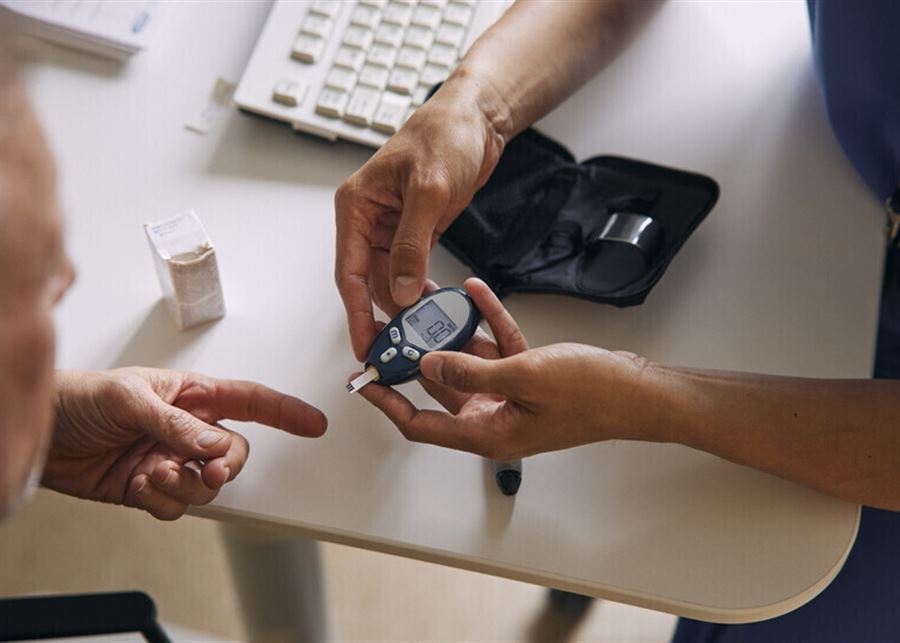
Researchers at the University of Missouri are developing a new method to treat Type 1 diabetes by shielding transplanted pancreatic cells from the immune system. This experimental approach aims to bypass the need for lifelong immunosuppressive drugs, which typically leave patients vulnerable to infections by suppressing the body’s entire defense system.
Targeting Immune Rejection Without Systemic Suppression
Type 1 diabetes remains a chronic autoimmune challenge where the body’s immune system mistakenly identifies insulin-producing pancreatic cells as threats. By destroying these cells, the disease forces patients to rely on external insulin delivery and rigorous daily monitoring. While transplantation of healthy pancreatic cells offers a potential path to restoring natural insulin production, the body’s inherent defense mechanisms frequently reject the new tissue.
Historically, this rejection has been managed through the administration of immunosuppressive medications. While effective at preventing the destruction of transplanted cells, these drugs carry significant risks. Because they diminish the body’s overall immune response, patients become susceptible to a wide range of illnesses and inflammatory conditions. As reported by Akhbar Al Yawm, the research team at the University of Missouri School of Medicine shifted their focus from systemic suppression toward a strategy of rendering the transplanted cells “invisible” to the immune system.
The Mechanism of the Protective Shield
The proposed solution involves modifying pancreatic islet cells—small clusters of endocrine cells responsible for hormone regulation—with a specialized protective layer. This shield is composed of two distinct immune-regulating molecules. By incorporating these components directly onto the surface of the transplant, researchers aim to preserve the function of the cells without affecting the patient’s wider immune health.
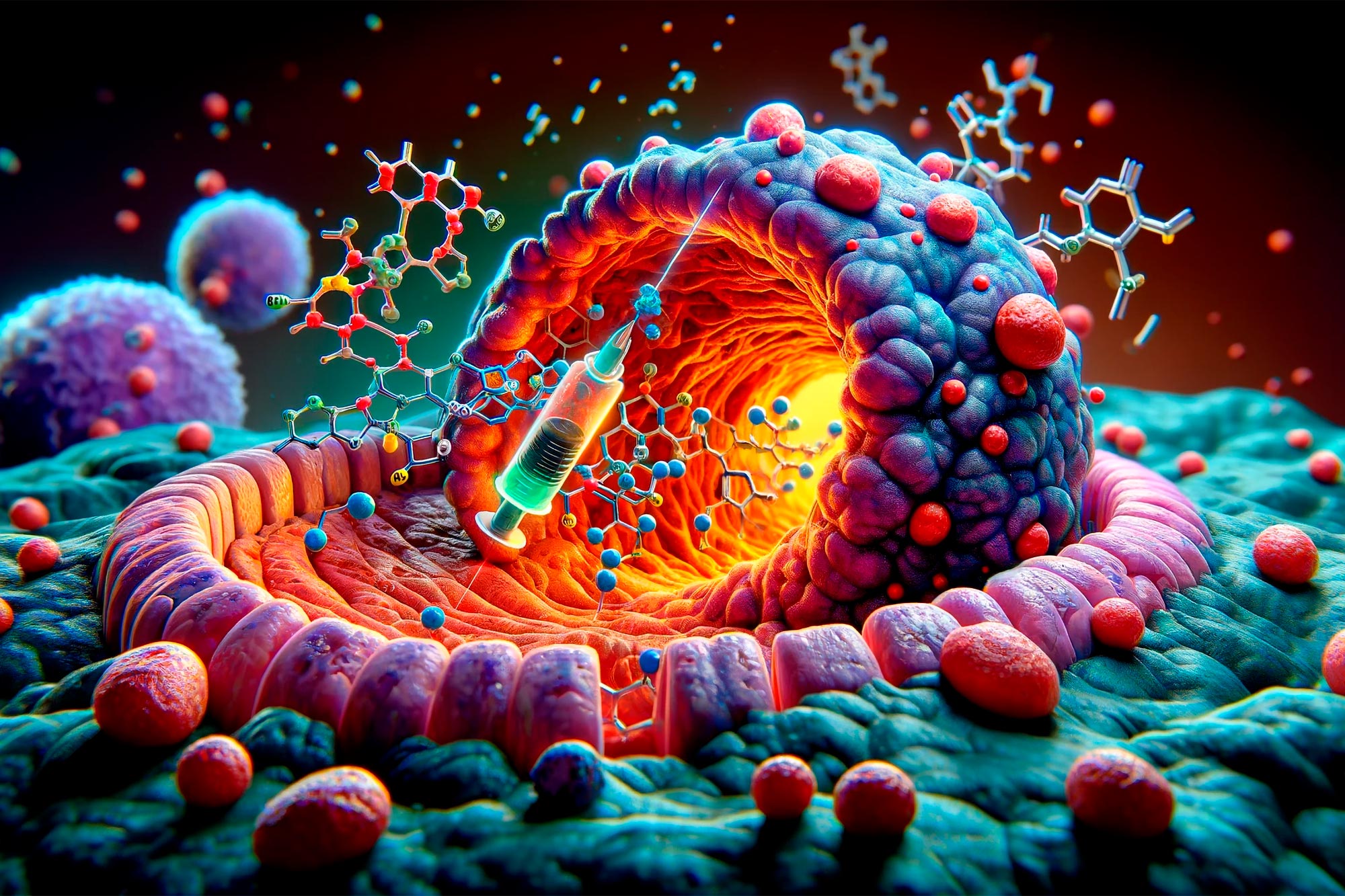
“We wanted to avoid the side effects of immunosuppressive drugs that affect the whole body. Instead, we focused on improving the delivery method of the transplanted cells themselves.” Dr. Haval Shirwan, one of the study’s authors, via Akhbar Al Yawm
Initial findings suggest that cells modified with this biological shield maintained viability and functioned normally for significantly longer durations than their non-modified counterparts. The research highlights the potential to eliminate the reliance on drugs that otherwise undermine the patient’s ability to fight off external pathogens.
Operational Challenges in Clinical Implementation
Translating this laboratory success into clinical practice requires addressing the complexities of cell modification and long-term stability. The research team, which includes Dr. Esma Yolcu, is currently evaluating how the two-molecule shield interacts with the host environment. The primary goal remains the creation of a durable, autonomous graft that does not trigger a hostile response from the recipient.
The research into these molecular modifications focuses on mitigating the inflammatory response that occurs when donor tissue is introduced to a host body. By integrating the protective molecules onto the cell surface, the goal is to prevent the signaling cascades that recruit immune cells to the site of the graft. This approach differs from traditional pharmacological interventions by localizing the therapeutic effect specifically to the transplanted tissue, thereby avoiding the systemic depletion of immune cells that characterizes conventional post-transplant regimens.
Future iterations of this research are expected to address the scalability of the cell-coating process. The ability to maintain the structural integrity and metabolic function of the islet cells during the modification process is a primary variable in ongoing experimental models. The team is assessing the metabolic output of the shielded cells to confirm that the protective layer does not hinder the essential release of insulin in response to glucose fluctuations.
While the scientific community watches these developments in cellular engineering, patients should be aware that this technology remains in the experimental phase. Those managing Type 1 diabetes should continue to follow established clinical guidelines. For any adjustments to current treatment plans or inquiries regarding new therapeutic options, patients must consult their healthcare provider to ensure safety and alignment with their specific medical history.
Navigating Digital Health and Administrative Resources
As medical research evolves, the digital tools used to manage patient accounts and administrative access remain equally critical. For instance, users of financial or health-portal services often encounter standard security protocols, such as password recovery systems. If a user loses access to an account, platforms like Wells Fargo typically require a specific verification process involving temporary credentials.
Maintaining the security of digital accounts is a prerequisite for accessing the modern healthcare landscape, where patient records, insurance documentation, and communication with clinical teams increasingly rely on encrypted portals. The protocols for identity verification, such as multi-factor authentication or the use of secure temporary access codes, serve as the digital equivalent of the biological barriers being developed in the laboratory. Just as the protective shield around islet cells serves to preserve the integrity of the transplant, digital security measures are designed to preserve the integrity of personal health and financial data.
Whether managing a complex medical condition or securing digital access, the importance of verified procedures and professional guidance cannot be overstated. As the researchers at the University of Missouri continue their work, the medical field moves closer to a future where systemic drug reliance might be replaced by targeted, cell-specific interventions.
