
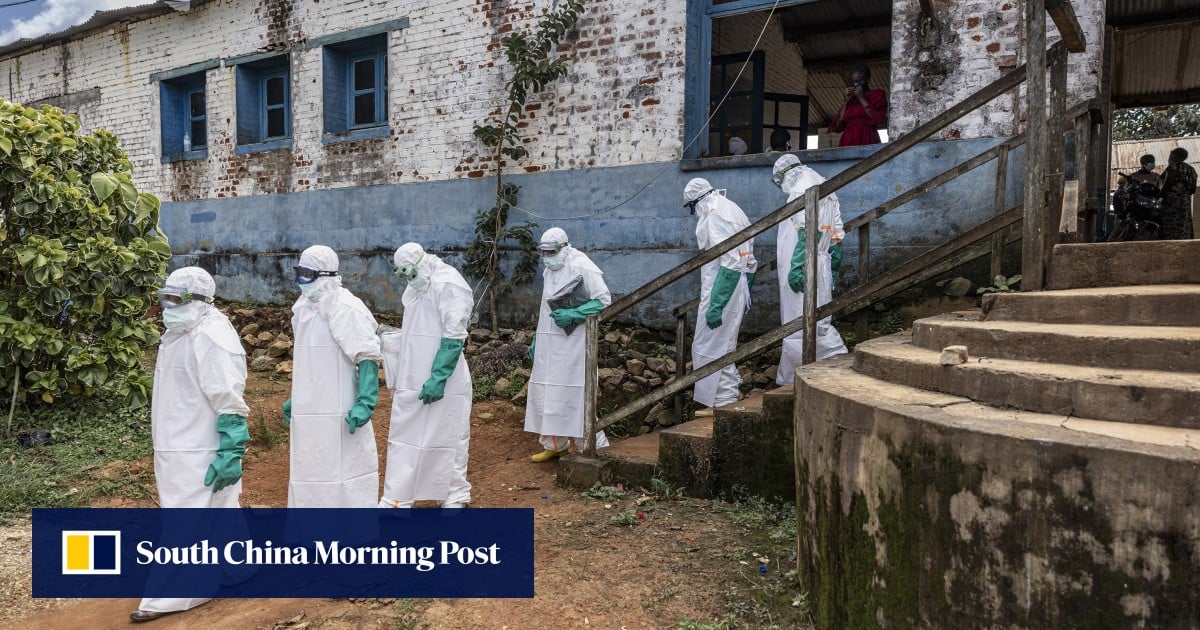
Health authorities in the Democratic Republic of the Congo are battling a surge of the rare Bundibugyo Ebola virus, with 452 confirmed cases and 82 deaths reported as of June 2026. Front-line medical staff at Mongbwalu General Referral Hospital face severe supply shortages and unpaid wages while managing active community transmission in volatile mining regions.
The Crisis at Mongbwalu General Referral Hospital
The front line of the current outbreak is centered in Ituri province, where medical workers are operating under extreme duress. Dr. Richard Lokudu, the medical director of the Mongbwalu General Referral Hospital, reports that he and his staff have received little to no compensation for their work, even as they handle a continuous influx of patients late into the night.
“I have not received my allowance [and] what happened to others could happen to me as well. Despite all the infection prevention and control measures we are implementing, we do not know what may happen.” Dr. Richard Lokudu, Mongbwalu General Referral Hospital, via SCMP
The human cost of the response is rising. According to reporting by the Associated Press, some first responders have already succumbed to the virus. The situation is compounded by a lack of basic resources; initially, masks, gloves, and boots were in short supply, forcing staff to work in conditions that are, according to Heather Kerr of the International Rescue Committee, symptomatic of a systemic failure.
“There has been an erosion of the health system. There has not been investment in the health system, and this has been going on for years.” Heather Kerr, International Rescue Committee, via AP News
The operational environment at Mongbwalu is further constrained by the physical lack of isolation wards designed for Viral Hemorrhagic Fever (VHF) protocols. According to field reports from the DRC Ministry of Public Health, Hygiene and Prevention, the current facility lacks negative-pressure ventilation, which is standard for preventing aerosolized transmission in high-acuity Ebola settings. The mortality rate among health workers in the Ituri province currently tracks at 4.2%, a figure cited in the June 12th Situation Report from the African Centres for Disease Control and Prevention (Africa CDC). This statistic underscores the risk posed by the current shortage of Personal Protective Equipment (PPE) compliant with World Health Organization (WHO) standards for BSL-4 (Biosafety Level 4) pathogens.
Mining and the Ecology of the Bundibugyo Strain
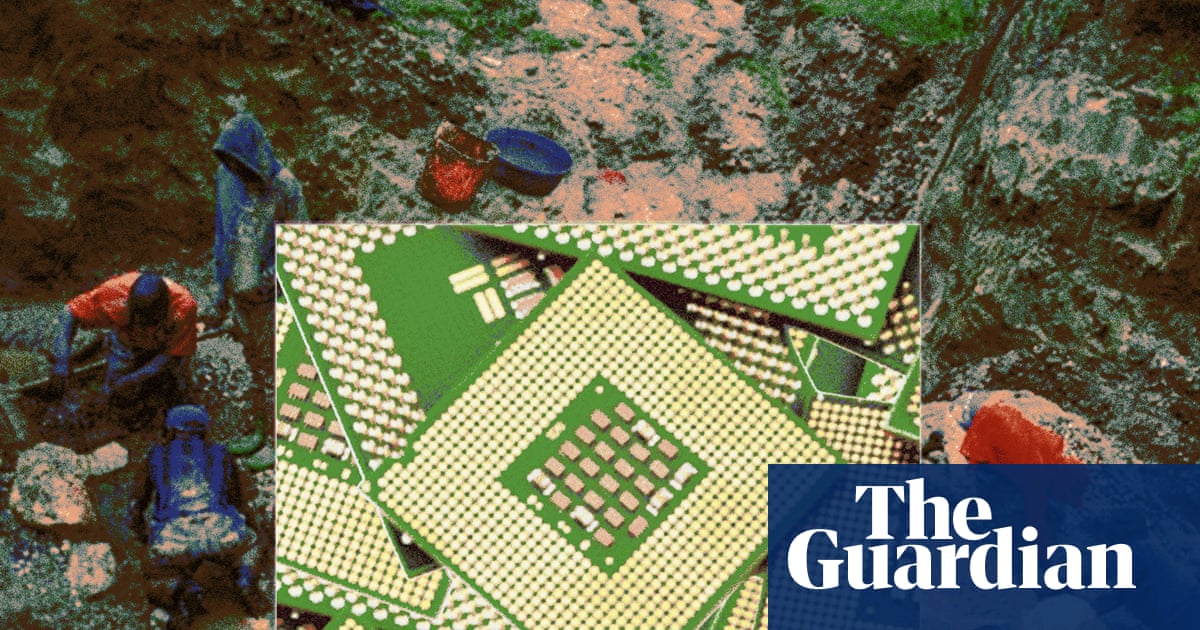
The current outbreak is driven by the rare Bundibugyo strain, which presents a significant challenge because there are no currently approved vaccines or specific treatments for this type of Ebola. Researchers suggest that the outbreak is linked to the rapid expansion of artisanal mining in the Congo Basin. As The Guardian reports, the global demand for minerals like gold, coltan, and cobalt is pushing human populations deeper into rainforests, increasing the frequency of contact between miners and wildlife, particularly fruit bats.
The Bundibugyo ebolavirus (BDBV) was first identified during an outbreak in 2007 in western Uganda. Unlike the Zaire ebolavirus (EBOV), which is targeted by the rVSV-ZEBOV vaccine, the Bundibugyo strain remains outside the scope of existing prophylactic immunization campaigns. According to the WHO’s R&D Blueprint for Epidemics, clinical trials for BDBV-specific monoclonal antibodies are currently in the pre-clinical phase, meaning no human-tested therapeutics are available for compassionate use in Ituri. Researchers at the Institut National de Recherche Biomédicale (INRB) in Kinshasa have confirmed through genomic sequencing that the current strain shares 98% genetic homology with the 2007 BDBV isolate, indicating a high degree of stability but also persistent virulence.
This ecological disruption is not new, but its scale is intensifying. Satellite data analyzed by Global Forest Watch indicates that 1.5 million acres of Congo basin rainforest were lost in 2024. This deforestation creates a dangerous proximity between humans and viral reservoirs. According to Business Insider Africa, the informal nature of these mining networks makes the disease significantly harder to track, as miners often avoid health authorities due to fears of government intervention or loss of income.
Logistical Hurdles and International Response
The World Health Organization has designated the crisis a Public Health Emergency of International Concern, launching a $518 million plan to address the spread. However, the containment effort is stalled by a combination of armed conflict and deep-seated community mistrust. In eastern Congo, treatment centers have been targeted by local militia groups, further complicating the delivery of aid.
The virus has already demonstrated its ability to travel, with cases reported in neighboring Uganda, including its capital, Kampala. The WHO Director-General, Tedros Adhanom Ghebreyesus, noted that the virus had a significant head start, having spread silently for weeks before it was officially confirmed by the Ministry of Health on May 15. Dr. Matshidiso Moeti, the WHO Regional Director for Africa, stated in a June 18th press briefing that the R-naught (R0) value—the average number of secondary cases produced by a single infected individual—is currently estimated between 1.8 and 2.2 in the mining communities, placing it significantly higher than previous, more contained BDBV outbreaks.
The logistical response is further hampered by the geography of Ituri. The WHO and the United Nations Children’s Fund (UNICEF) have reported that 40% of the affected mining sites are inaccessible by road during the current rainy season, necessitating the use of costly air-bridge logistics for the transport of cold-chain medical supplies. Furthermore, the WHO’s Strategic Advisory Group of Experts on Immunization (SAGE) has clarified that ring vaccination strategies—which proved successful during the 2018-2020 Kivu outbreak—cannot be deployed here, as the only available stockpiles are exclusively for the Zaire strain.
As of the most recent data, the situation remains precarious:
- Confirmed cases: 452
- Confirmed deaths: 82
- New cases recorded in a single day: 71
- Status: Active community transmission
The economic context remains stark. While the DRC’s mineral wealth is valued at an estimated $24 trillion, the workers on the front lines of this epidemic continue to sacrifice their rest and safety without the guarantee of regular salaries. As Dr. Lokudu emphasized, the statistics heard from afar do not capture the reality of the crisis on the ground, where workers are struggling to maintain basic protocols while their own livelihoods remain insecure.
Readers should be aware that the epidemiological data provided by the Ministry of Health is subject to revision as surveillance teams reach more remote mining outposts. Conclusions regarding the effectiveness of containment strategies remain premature due to the ongoing volatility in the region. Readers seeking health information or updates on travel safety in the Congo Basin are urged to consult the official guidance provided by the World Health Organization (WHO) or the Centers for Disease Control and Prevention (CDC) and to speak with a qualified medical professional regarding any personal health concerns.
