

PT Etana Biotechnologies Indonesia announced the development of a locally produced Human Papillomavirus (HPV) vaccine aimed at reducing cervical cancer mortality, marking a significant step toward national vaccine self-sufficiency. The initiative, led by Etana’s Vaccine and Anti-Infectious Business Unit Director Indra Lamora, aligns with efforts to expand immunization programs and address gaps in public health infrastructure.
A Step Toward National Vaccine Self-Sufficiency
Etana’s HPV vaccine development underscores the company’s broader mission to bolster Indonesia’s biotechnology sector while tackling a leading cause of female mortality. “Melalui pengembangan vaksin HPV, produksi lokal PCV-13, serta kehadiran vaksin meningitis, kami terus mendorong peningkatan kesadaran masyarakat akan pentingnya imunisasi sekaligus mendukung kemandirian vaksin nasional,” Lamora stated, emphasizing the dual goals of public health and industrial growth. This effort follows the company’s prior success in manufacturing pneumococcal (PCV-13) and meningitis vaccines, which have been integrated into national immunization programs.

Challenges in Cervical Cancer Prevention
The initiative comes amid persistent challenges in cervical cancer prevention. According to VIVA.co.id, Indonesia ranks third globally in cervical cancer cases, with approximately 50% of patients diagnosed at advanced stages due to limited screening access. Etana’s vaccine aims to address this gap by offering a locally produced solution that meets halal certification standards, a critical factor for widespread acceptance.
Economic and Market Implications
The HPV vaccine’s potential to prevent 70% of cervical cancer cases—primarily linked to HPV types 16 and 18—has drawn attention from health experts. VIVA.co.id highlighted that the vaccine’s efficacy is highest when administered before sexual activity begins, though it remains beneficial for older populations. Etana’s rollout strategy includes targeted campaigns for adolescents, with dosing schedules tailored to age groups.
Future Roadmap and Expansion
Public health officials stress the vaccine’s role in reducing the burden on Indonesia’s healthcare system. “Imunisasi merupakan salah satu upaya kesehatan paling efektif dalam mencegah penyakit menular,” noted ANTARA News, citing Etana’s collaboration with government agencies and research institutions to ensure equitable distribution. However, challenges persist, including low screening rates (7% nationally) and cultural stigma, which the company aims to mitigate through community engagement.
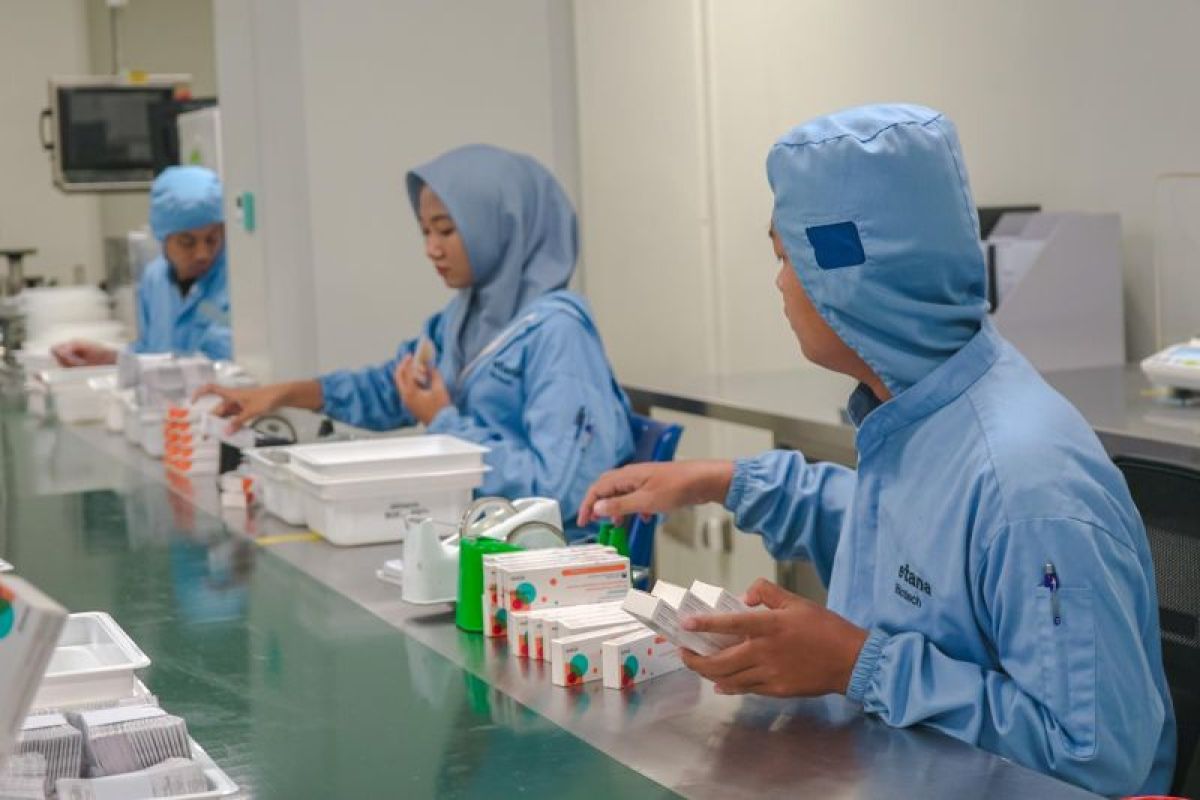
Etana’s focus on domestic production aligns with national efforts to reduce reliance on imported vaccines. BERNAS.id reported that such initiatives could cut import costs by 30% over five years while fostering local manufacturing expertise. This shift is part of a broader strategy to strengthen Indonesia’s biotechnology ecosystem, as outlined in the company’s partnerships with institutions like the University of Gadjah Mada (UGM) and the Indonesian Biotechnology Society (IBS).
The economic benefits extend beyond cost savings. By prioritizing halal-certified products, Etana taps into a market segment that values religious and cultural alignment. “Kami ingin berkontribusi nyata dalam meningkatkan cakupan imunisasi dan kualitas hidup masyarakat,” Lamora added, underscoring the vaccine’s role in improving public health outcomes.
Despite progress, hurdles remain. VIVA.co.id noted that only 7% of Indonesia’s population undergoes regular cervical cancer screening, highlighting the need for education and infrastructure investment. Etana’s success will depend on its ability to scale distribution, particularly in rural areas, and address vaccine hesitancy.
The company’s roadmap includes expanding its vaccine portfolio to include meningitis and tuberculosis solutions, further diversifying its impact. With the HPV vaccine now in development, Etana positions itself as a key player in Indonesia’s healthcare transformation.
“Melalui pengembangan vaksin HPV, produksi lokal PCV-13, serta kehadiran vaksin meningitis yang kini telah resmi kami luncurkan, kami ingin berkontribusi nyata dalam meningkatkan cakupan imunisasi dan kualitas hidup masyarakat,” Lamora reiterated, signaling the company’s long-term vision.
As the vaccine progresses toward market release, its success will hinge on collaboration between public and private sectors, sustained funding, and community trust. For now, Etana’s efforts represent a pivotal step in Indonesia’s journey toward health equity and industrial self-reliance.
<a href="https://radiostar.harianjogja.com/2026/
