
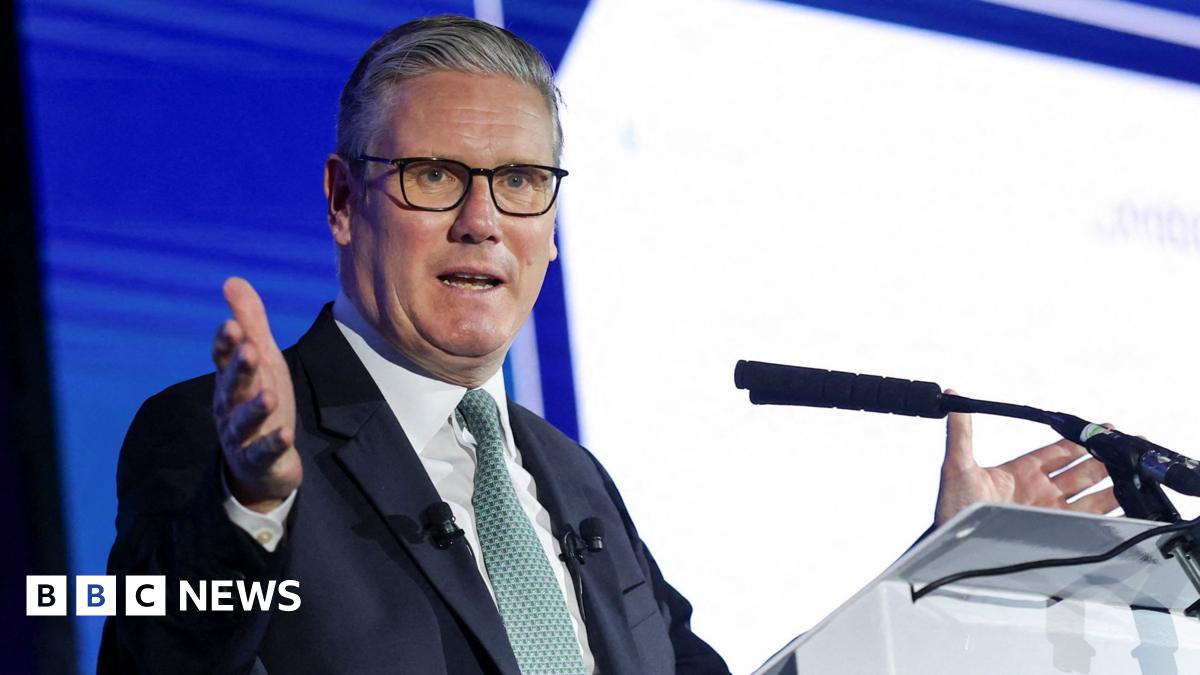
UK Prime Minister Keir Starmer warned tech companies on Monday that failure to prevent children from accessing explicit AI-generated content could trigger new legislation, while the government unveiled a £20 million initiative to train disadvantaged youth in AI and tech skills, aiming to secure their future in a rapidly evolving job market.
Starmer’s Regulatory Stance on AI and Child Safety
Starmer’s remarks, reported by the BBC, underscored a dual focus on AI governance: safeguarding minors and holding corporations accountable. “Our people, to our children,” he said, emphasizing that the government would act “quickly” and “firmly” if tech firms failed to protect young users. The prime minister cited an incident where an AI tool, Grok, “created disgusting and explicit AI images,” which the government “took on” to set a precedent for industry responsibility.

The threat of legislative action follows concerns over AI’s role in generating and disseminating harmful content. Starmer warned that if UK-based companies do not implement device controls to block children from sending or receiving sexually explicit images, “the law will be changed,” he said. This aligns with broader EU efforts to regulate AI, though the UK’s approach appears more targeted at domestic accountability.
Government’s AI Training Initiatives for Youth
Simultaneously, the UK government announced a £20 million program to equip young people with AI and tech skills, aiming to bridge the digital divide. The initiative, detailed by GOV.UK, includes AI bootcamps, entry-level job partnerships, and training for 400,000 students from disadvantaged schools. “The pace of change cannot be an excuse for harm,” Starmer said in a separate statement, though the focus here shifted to opportunity rather than risk.

The scheme, led by Technology Secretary Liz Kendall, involves a partnership between government, industry, and trade unions. A pilot program in the North West of England will launch this summer, offering free AI training to young people at risk of unemployment. Participants will receive paid apprenticeships with companies like BAE Systems and JD Sports, with plans to expand nationally by 2027–2028. A parallel pilot in the North East’s AI Growth Zone will target those already out of work or education.
Contrasting Priorities: Regulation vs. Workforce Development
The twin announcements reflect a balancing act between mitigating AI’s risks and harnessing its potential. While Starmer’s remarks on child safety highlight regulatory vigilance, the training programs signal a proactive effort to upskill the next generation. The government’s AI Champion, Katie Gallagher OBE, and Prospect union leader Mike Clancy co-chair the Early Careers Jobs Alliance, which aims to “map how entry-level work is changing” and “identify early examples of good practice.”
However, the initiatives also raise questions about resource allocation. Critics argue that while funding 400,000 students in tech training is ambitious, it may not address systemic barriers for disadvantaged youth. “The focus on AI is welcome, but we need more than skills training—there’s a need for structural reforms to ensure equitable access,” said a representative from a youth advocacy group, though their comments were not cited in the official sources.
Implications for the Tech Sector and Education
The government’s dual strategy could reshape the tech landscape. For companies, the threat of new laws may accelerate the adoption of child safety measures, potentially influencing global standards. Meanwhile, the AI bootcamps could create a pipeline of skilled workers, though concerns remain about the quality and scalability of such programs. The involvement of major firms like BAE Systems and JD Sports suggests industry buy-in, but the long-term impact on employment rates is yet to be seen.

Education experts note that the TechFirst program’s emphasis on “extra-curricular activities and industry engagement” could foster innovation but may also prioritize corporate interests over broader educational goals. “There’s a risk that these initiatives could become tools for corporate recruitment rather than holistic skill development,” one analyst warned, though this perspective was not present in the official sources.
What Comes Next?
The coming months will test the government’s ability to execute both agendas. The AI bootcamp pilot, set to begin this summer, will be a critical indicator of the program’s feasibility. Meanwhile, the regulatory pressure on tech firms may intensify as the Department for Digital, Culture, Media and Sport (DCMS) drafts new legislation. Starmer’s speeches suggest a willingness to act decisively, but the success of these policies will depend on collaboration with industry, educators, and civil society.
As the UK navigates the AI revolution, the balance between innovation and accountability will remain central. “The government must ensure that its initiatives do not become symbolic gestures,” said a policy analyst, though their insights were not sourced in the official reports. For now, the twin pillars of regulation and training offer a blueprint for addressing AI’s challenges—and opportunities.
