
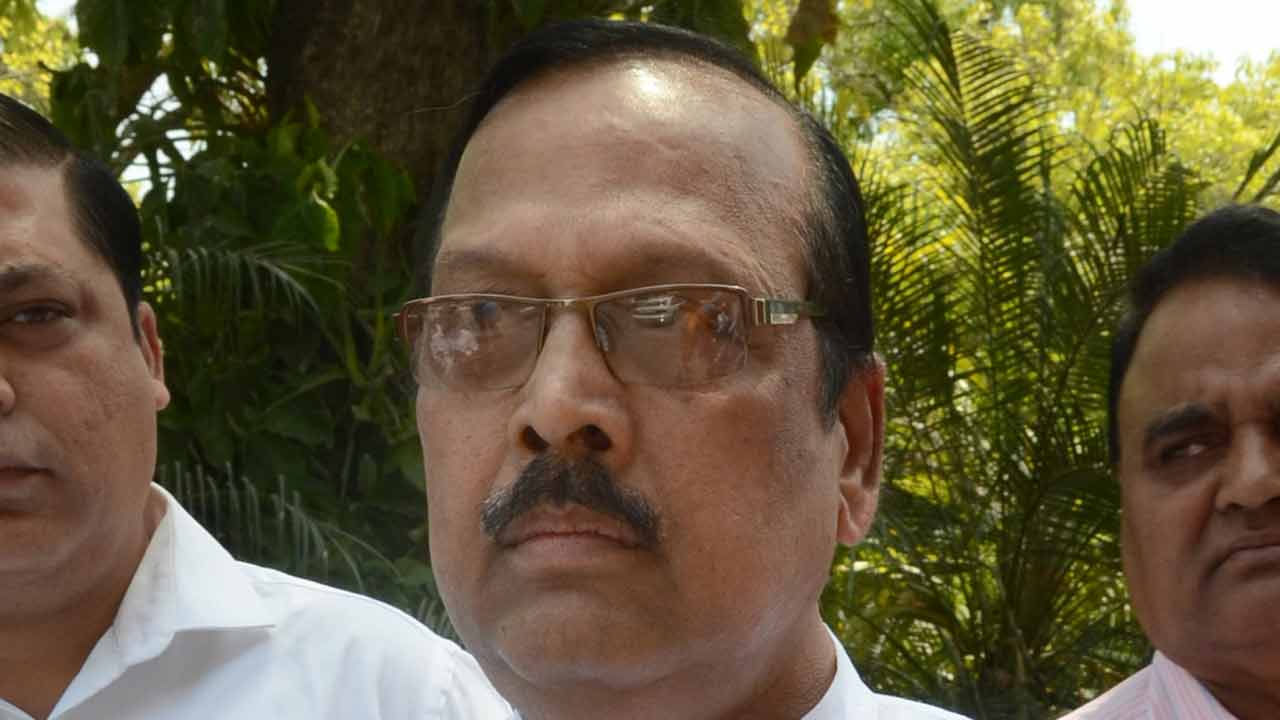
Trinamool Congress (TMC) veteran Sukhendu Sekhar Roy resigned from his Rajya Sabha seat and severed all ties with the party on Monday, June 8, 2026. Speaking from New Delhi, Roy cited institutional corruption and a lack of internal democracy as his primary reasons for leaving, fueling wider speculation about further defections within the party’s parliamentary ranks.
Sukhendu Sekhar Roy’s Departure and Allegations
.jpeg.webp "Photo: TheWall")
The resignation of Sukhendu Sekhar Roy marks a significant escalation in the internal unrest facing the Trinamool Congress. According to reporting by Anandabazar, Roy submitted his resignation letter to the Rajya Sabha chairman and formally exited the party on Monday morning while in the national capital. His departure was not sudden; rather, he claimed the decision had been contemplated for some time, specifically following the RG Kar incident, which he described as a turning point in his relationship with the party leadership.
Roy’s critique of the party was broad and pointed. As noted by Puber Kalom, the veteran leader alleged that the party had abandoned its core ideals, allowing corruption to become institutionalized. He further claimed that democratic discourse within the organization had effectively ceased, with the opinions of many senior members ignored during critical decision-making processes.
“The party leadership has become disconnected from the sentiments of the common people, which is the root cause of the loss of public support.”Sukhendu Sekhar Roy, via Puber Kalom
In response to the resignation, TMC spokesperson Derek O’Brien issued a brief statement on Monday afternoon, characterizing Roy’s departure as an “act of personal opportunism.” The party’s official communication wing emphasized that the timing of the resignation, coinciding with the INDIA bloc’s strategic meetings, was a deliberate attempt to undermine the party’s negotiation leverage. However, West Bengal BJP leader Suvendu Adhikari held a press conference in Kolkata shortly thereafter, claiming that Roy’s exit was merely the “first domino” and that more TMC parliamentarians were in contact with central leadership to discuss their own potential exits.
Speculation Surrounding Koel Mallick and Parliamentary Stability
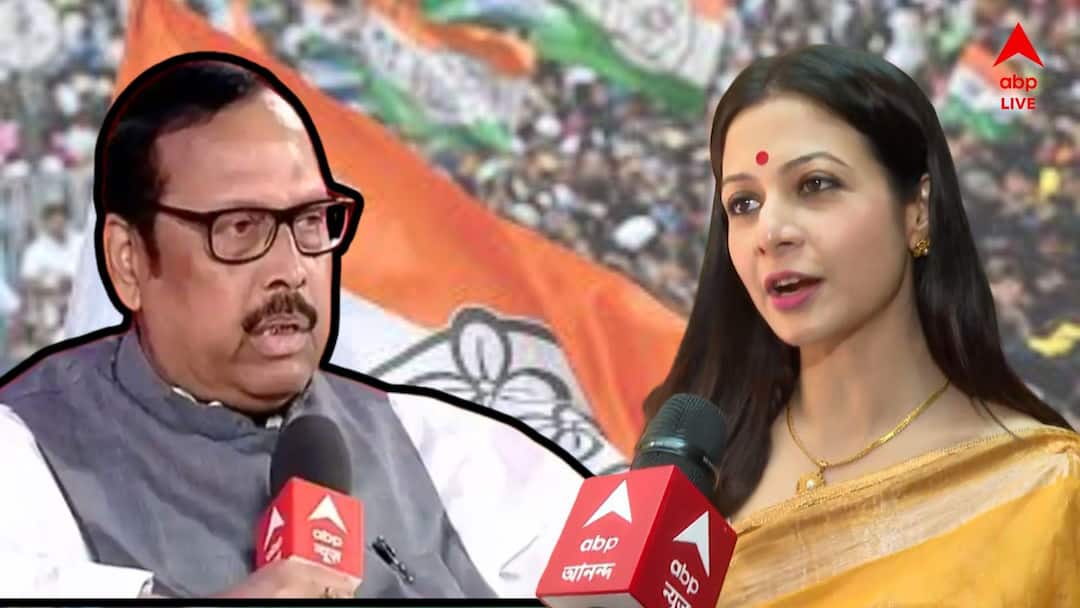
The political atmosphere in New Delhi is further charged by reports that another Rajya Sabha member, Koel Mallick, may also be on the verge of resigning. ABP Ananda reports that while Mallick has not made an official announcement, the timing is seen as highly significant given that she only took her oath of office in April. Political observers suggest that if these departures materialize, it would represent a major blow to the party’s parliamentary standing.
Mallick’s office issued a statement late Monday evening denying immediate plans to quit, yet sources close to the Rajya Sabha Secretariat confirmed that she had missed two consecutive sessions of the Business Advisory Committee, fueling rumors of a rift. The uncertainty regarding her status has forced the TMC leadership to keep a close watch on their remaining parliamentary contingent. According to The Wall, internal reports within the Trinamool Congress indicate that senior leadership had been struggling with grievances from a segment of their ranks long before the recent electoral outcomes. The current atmosphere is described as one of growing rebellion, potentially extending beyond the Rajya Sabha to include members of the Lok Sabha.
Strategic Implications for the INDIA Alliance
These resignations occur at a sensitive time, coinciding with a high-level meeting of the anti-BJP ‘INDIA’ alliance in New Delhi. Party leadership, including Mamata Banerjee and Abhishek Banerjee, are currently in the capital for these proceedings. The timing of Roy’s announcement—made just as the alliance prepared to meet—has created a visible distraction for the party.
While the INDIA alliance meeting continues with major opposition figures like Rahul Gandhi and Sonia Gandhi in attendance, the absence of the Aam Aadmi Party and the DMK has already set a complex stage. For the Trinamool leadership, the challenge is twofold: managing the optics of a splintering parliamentary delegation while attempting to reassert their relevance in national politics through the opposition coalition.
A senior Congress leader, speaking on condition of anonymity, noted that the INDIA bloc is concerned that the TMC’s internal instability could hamper seat-sharing negotiations for upcoming by-elections. The TMC, however, has publicly maintained that its national position remains unaffected by individual departures. On Tuesday morning, Mamata Banerjee met with Sharad Pawar to discuss a unified stance on the upcoming legislative agenda, aiming to project a facade of cohesion despite the domestic upheaval.
Regional analysts point to the broader implications for West Bengal politics. With the state assembly elections looming in the coming years, the loss of a veteran strategist like Roy—who was instrumental in the party’s legal and parliamentary maneuvering—leaves a void in the party’s institutional memory. Observers from the Centre for Policy Research have noted that the current trend of defections mirrors the volatility seen in previous election cycles where internal dissent often preceded shifts in state-level power dynamics.
Whether these resignations trigger a broader exodus or remain isolated incidents remains the primary question for political analysts as the week progresses. The Rajya Sabha Secretariat confirmed that Roy’s seat has been declared vacant as of June 8, triggering the requirement for a fresh election within six months under the Representation of the People Act. How the TMC manages this vacancy, and whether they choose to nominate a party loyalist or a candidate aimed at stabilizing internal factions, will provide the next indicator of the party’s direction.
