
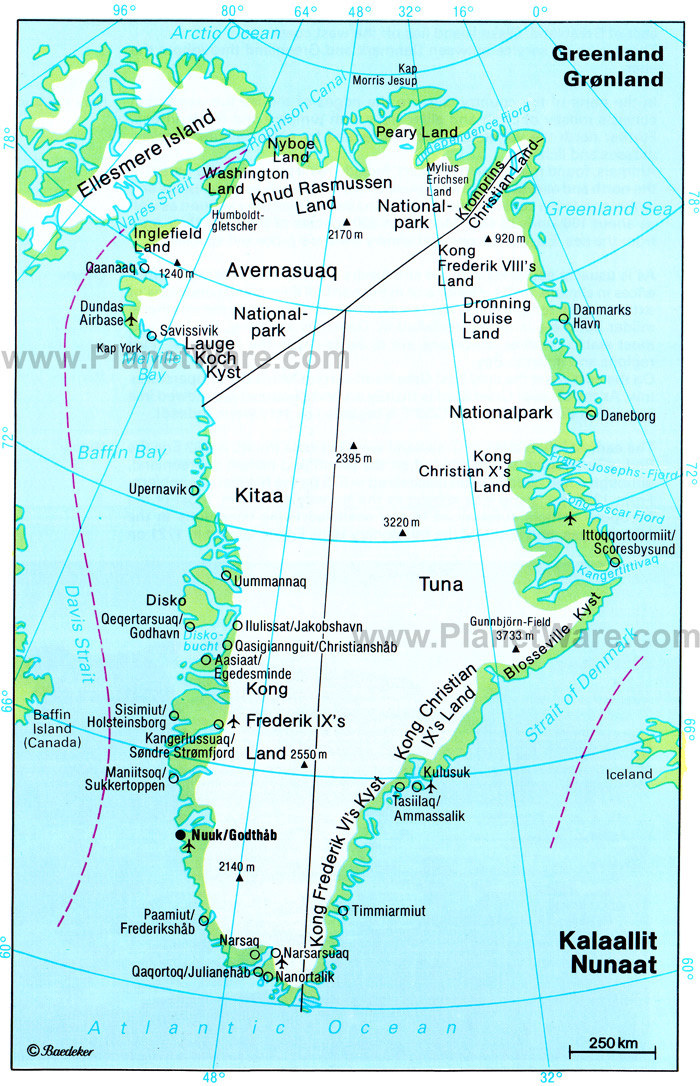
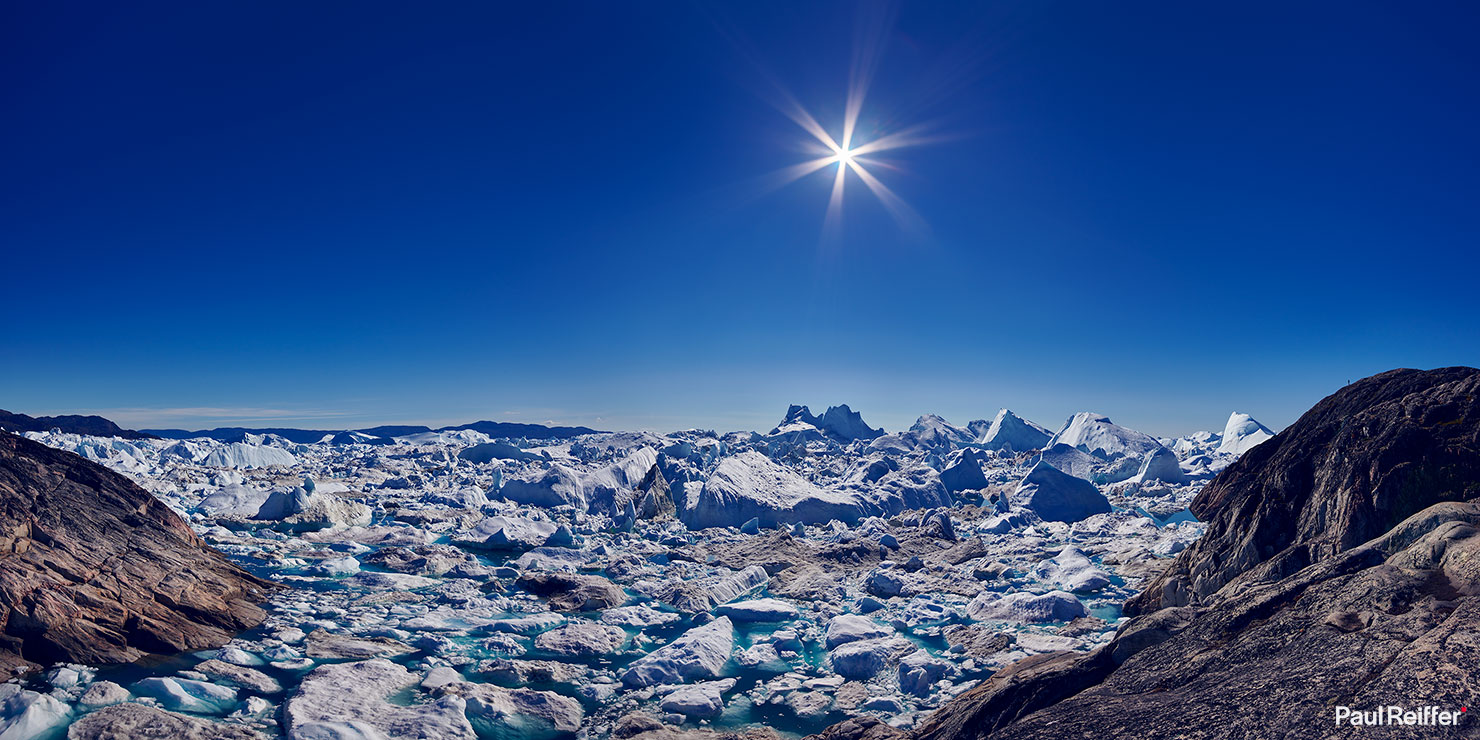
Greenland’s glaciers are experiencing significant ice loss, with the Jakobshavn Glacier moving at speeds of up to 30 meters per day, according to Encyclopedia Britannica. The island’s massive ice sheet, which covers more than 1.8 million square kilometers, continues to shed large chunks of ice into the sea as part of a continuous process of glacial movement.
Glacial Movement and Ice Sheet Dynamics
The Greenland Ice Sheet is the second largest in the world, trailing only Antarctica in total size. According to Encyclopedia Britannica, the sheet averages 1,500 meters in thickness and reaches a maximum of 3,000 meters. The ice does not remain stationary; it compresses into layers and moves toward the coast. This movement is driven by gravity and the immense pressure exerted by the accumulation of snow over millennia, which transforms into dense glacial ice.
The Jakobshavn Glacier serves as a primary example of this activity. It is categorized as one of the world’s fastest-moving glaciers. The process involves the ice sheet fronting directly onto the sea, where large sections break off and slide into the ocean as icebergs—a process scientifically known as calving. WorldAtlas notes that there are nearly 40 glaciers on the island, including the Peterman, which recently lost a 100-square-mile chunk of ice that measured 600 feet in thickness. These calving events are essential components of the ice sheet’s mass balance, which is determined by the equilibrium between snow accumulation in the interior and ice loss at the margins.
Physical Geography and Coastal Features
The physical composition of Greenland is defined by its ice-covered interior and rugged, mountainous coastline. Britannica reports that the rock floor beneath the ice sheet is often at or below sea level, despite the massive weight of the ice above it. This phenomenon is known as isostatic depression, where the sheer mass of the ice has pushed the Earth’s crust downward. If the ice were to disappear entirely, the underlying land would slowly rebound over thousands of years.
The island extends roughly 2,670 kilometers from north to south. Its total land area is vast, yet over 80 percent remains permanently covered by the ice sheet. The coastline is marked by deep, complex fjord systems that reach far inland, carved by the movement of ancient glaciers. These features, combined with the mountainous terrain of the east and west coasts, create a landscape that is largely barren. Gunnbjørn Mountain, located in the Watkins Range along the eastern coast, stands as the island’s highest point at 3,700 meters, as confirmed by WorldAtlas. The presence of such high peaks along the periphery creates a natural barrier that helps contain the inland ice.
Economic and Administrative Structure
Greenland operates as an autonomous territory within the Kingdom of Denmark. While it is geographically part of North America, its political and cultural ties have been linked to Denmark since the 18th century. According to Wikipedia, the territory is divided into five municipalities: Avannaata, Kujalleq, Qeqertalik, Qeqqata, and Sermersooq. These administrative divisions manage local infrastructure, schooling, and social services, though the relationship with Copenhagen remains central to the island’s governance and international representation.
The economy remains heavily dependent on Danish financial support. Between 2019 and 2023, aid from Denmark averaged 5.4 billion kr. annually, which represents more than 20% of the territory’s gross domestic product. This block grant is a critical component of the island’s fiscal stability. The capital city, Nuuk, serves as the primary administrative and economic hub, housing over one-third of the total population, which is estimated at 56,831 for 2025. Outside of the capital, the economy relies on a mixture of traditional activities, such as fishing and sealing, and emerging sectors that are increasingly influenced by the changing Arctic climate.
Environmental Observations
The climate in Greenland is classified as Arctic, though the Gulf Stream provides a slight moderating influence in the southwestern regions. Weather conditions are characterized by rapid shifts, ranging from clear sunshine to intense blizzards. These rapid changes are typical of high-latitude environments where maritime and polar air masses collide.
Beyond the glaciers, the island features natural phenomena such as hot springs. WorldAtlas reports that these springs are common in the far south on Uunartoq Island and in the western region on Disko Island. These geothermal features are a stark contrast to the surrounding permafrost and glacial ice. While some areas are warm enough for swimming, other parts of the landscape contain small, temporary lakes formed by glacier melt, which typically freeze during the winter months. These meltwater lakes are subject to seasonal cycles; they fill during the warmer summer months when surface temperatures rise above freezing and dissipate or solidify as the long Arctic winter returns, underscoring the delicate thermal balance of the Greenlandic ecosystem.
Find more reporting in our Tech section.
