
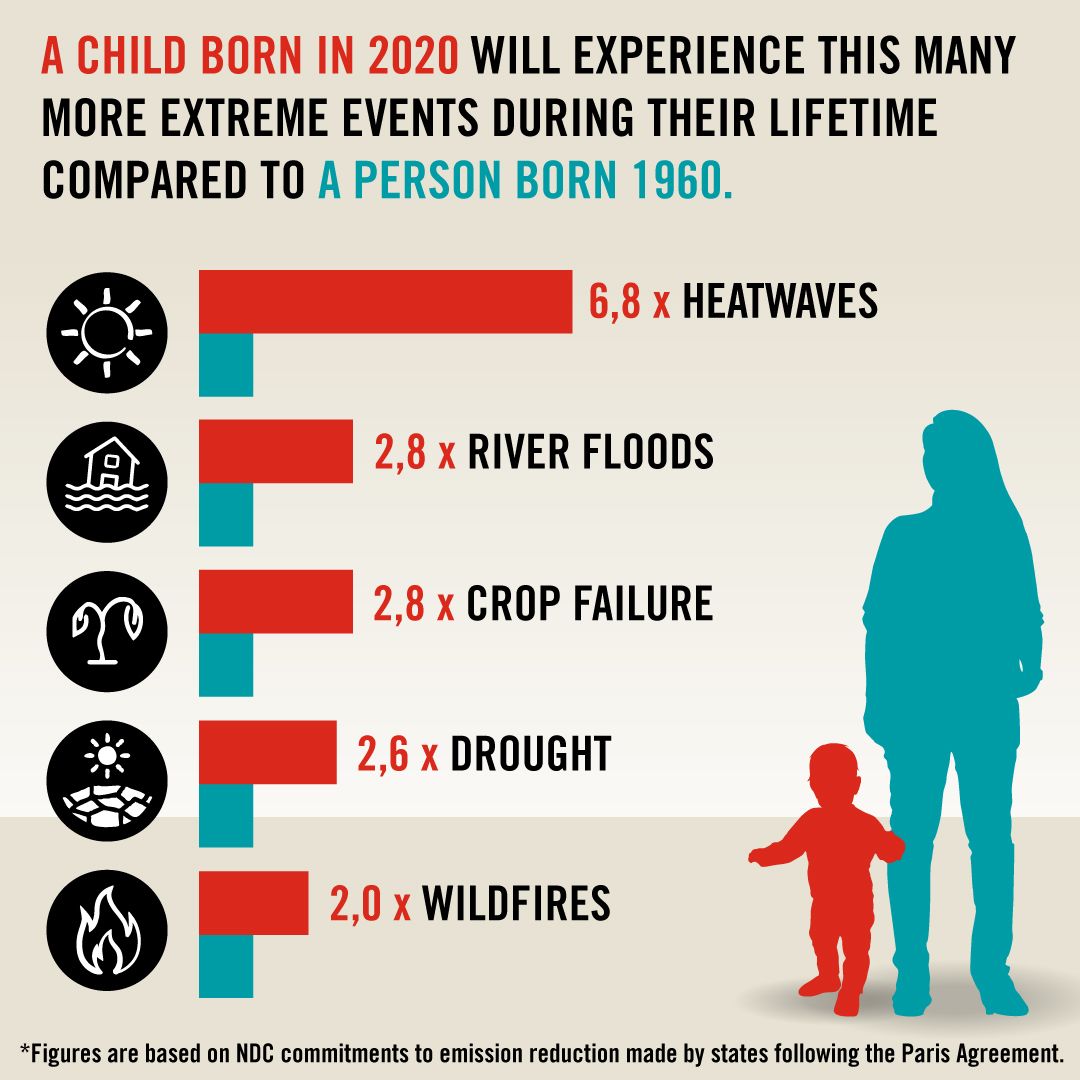
The United Nations reported on June 15, 2026, that 50% of children globally face three simultaneous climate risks, according to a UN Environment Programme (UNEP) analysis.
UN Report Highlights Climate Risks for Half the World’s Children
A June 15, 2026, report by the United Nations Environment Programme (UNEP) found that 50% of children under 15 years old are exposed to at least three climate-related threats simultaneously, including extreme weather, water scarcity, and food insecurity. The study, based on data from 140 countries, identified regions in South Asia, Sub-Saharan Africa, and Latin America as particularly vulnerable.
The report defines “simultaneous risks” as overlapping environmental hazards that compound health and developmental challenges for children. For example, in Bangladesh, flooding displaces families while contaminating water supplies, increasing the risk of waterborne diseases. In Kenya, prolonged droughts reduce crop yields, exacerbating malnutrition and forcing children to leave school for labor.

- Extreme weather events (e.g., hurricanes, heatwaves).
- Water scarcity linked to droughts and overuse.
- Food insecurity due to crop failures and price spikes.
“These risks are not isolated; they intersect to create a cascade of harm,” said Dr. Amina Jallow, a climate scientist at UNEP. “Children in low-income regions are disproportionately affected because they lack infrastructure to mitigate these threats.”
- In India, 68% of children in rural areas face all three risks, according to a 2025 government survey.
- In Brazil, deforestation in the Amazon has intensified rainfall variability, impacting 42% of children in the North region.
Global Response and Funding Gaps
The UN has called for urgent investment in climate adaptation programs targeting children. A June 2026 statement from the UN Children’s Fund (UNICEF) emphasized that “current funding for child-focused climate resilience is only 3% of total global climate finance.”
The report also highlighted disparities in preparedness. High-income nations like Norway and Germany have implemented school-based climate education programs, while low-income countries lack resources for early warning systems or disaster response.
Expert Reactions and Criticisms
Climate advocates welcomed the report but criticized its reliance on self-reported data from governments. “The figures are a starting point, but they underrepresent the true scale of the crisis,” said Rajiv Patel, director of the Global Climate Equity Initiative. “Many developing nations lack the capacity to track these risks comprehensively.”

The UNEP acknowledged data limitations but stated that the findings align with satellite monitoring and field studies. A spokesperson noted, “We are working with local partners to improve data collection, but the urgency of the issue demands immediate action.”
What Comes Next?
The report will inform the UN’s Climate Resilience Strategy, set to be finalized in 2027. Advocacy groups are pushing for binding targets to protect children from climate impacts, while some governments have pledged to increase climate financing.
However, the report’s authors caution that without significant policy shifts, the number of children facing simultaneous climate risks could rise to 60% by 2030. “This is not just an environmental issue—it’s a child rights issue,” said Dr. Jallow. “We cannot afford to wait.”
Find more reporting in our Tech section.
