
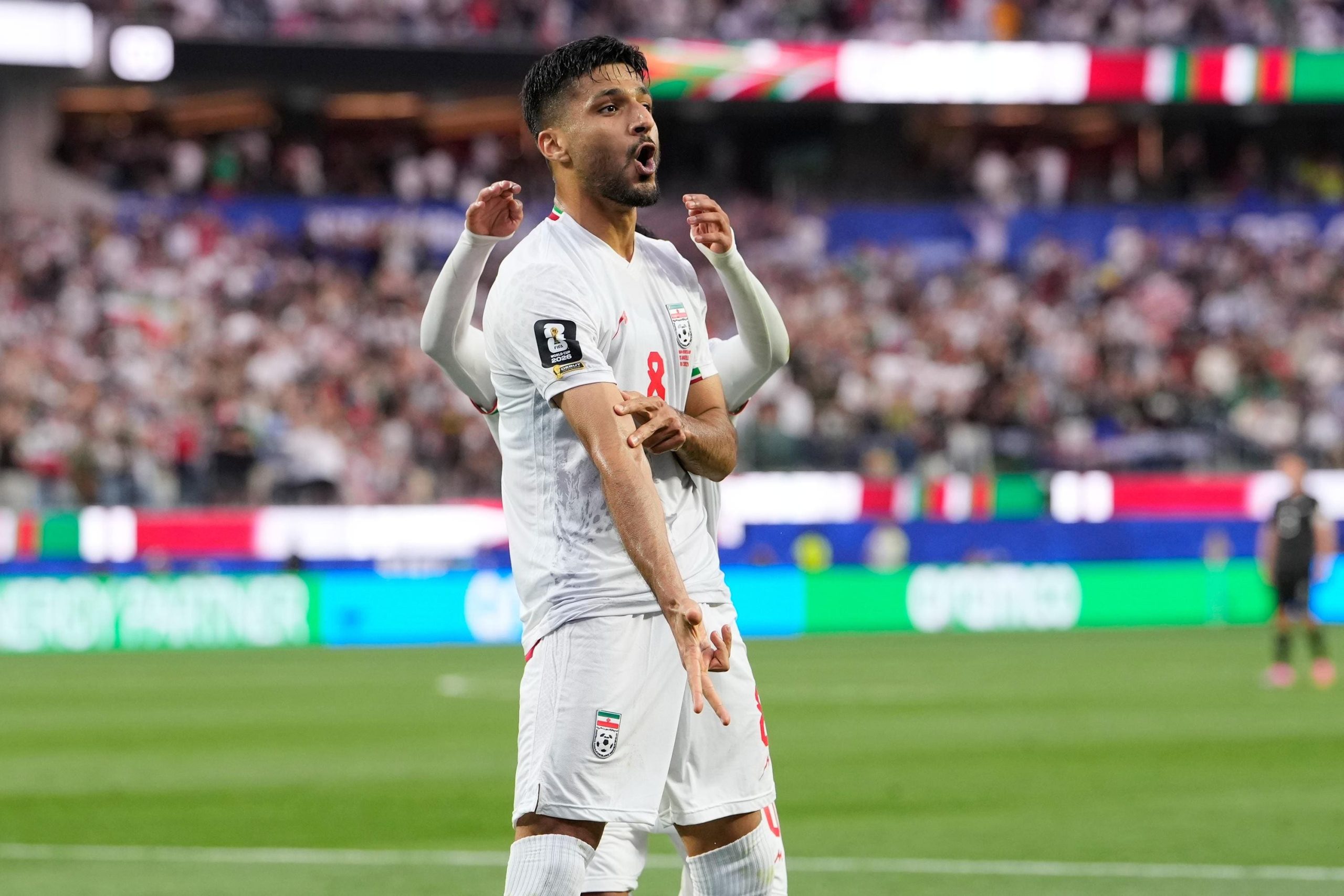
The Iranian national soccer team was ordered to return to its training base in Mexico immediately following a 2-2 draw against New Zealand on June 15, 2026, at Los Angeles Stadium. The directive prevented the team from staying overnight in California for recovery, prompting criticism from players and staff regarding their treatment by tournament organizers.
Coach Amir Ghalenoei Claims Team Is Most Oppressed at World Cup
Iran head coach Amir Ghalenoei expressed frustration after the match, stating that his squad had intended to remain in California to facilitate recovery but was forced to fly back to Tijuana, Mexico, right after the game. Ghalenoei described the logistical handling of his team as a “disaster,” noting that the players were denied the time they needed to recover between matches, according to The Guardian.
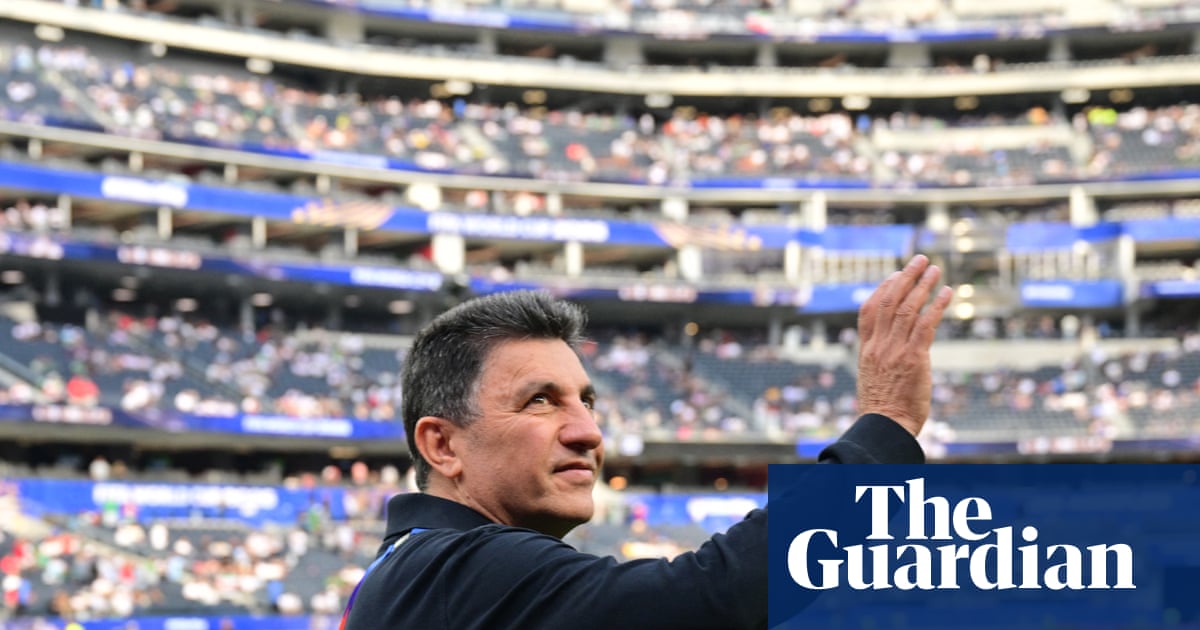
The coach further alleged that the team has faced repeated hurdles, including being denied permission to arrive in the U.S. two nights before the match. “I think our team is the most oppressed one in the whole World Cup,” Ghalenoei said. “Our federation isn’t here, our media isn’t here, our management isn’t here.”
Captain Mehdi Taremi echoed these sentiments, confirming that FIFA president Gianni Infantino visited the team in the dressing room after the game. During the visit, Infantino addressed the squad, telling them, “I know what you go through, I understand, but you are stronger than everything.” Despite the encouragement, the team remains logistically isolated, having been forced to move its training base from Tucson, Arizona, to Tijuana due to immigration concerns that resulted in several support staff members being denied U.S. visas, as reported by Forbes.
The logistical strain is compounded by the condensed nature of the tournament schedule. For athletes, the hours immediately following a high-intensity match are critical for physiological recovery, including cryotherapy, massage, and nutritional replenishment. Being forced to travel across an international border significantly disrupts these established sports science protocols, potentially impacting player readiness for the subsequent group-stage fixtures. In the context of a World Cup, where squads often have limited windows to prepare for opponents of varying tactical styles, such travel mandates represent a departure from the typical accommodations afforded to participating nations.
For more on this story, see Iran’s World Cup visa crisis exposes U.S.-Tehran tensions ahead of LA opener.
Political Tensions and Flags in the Stands
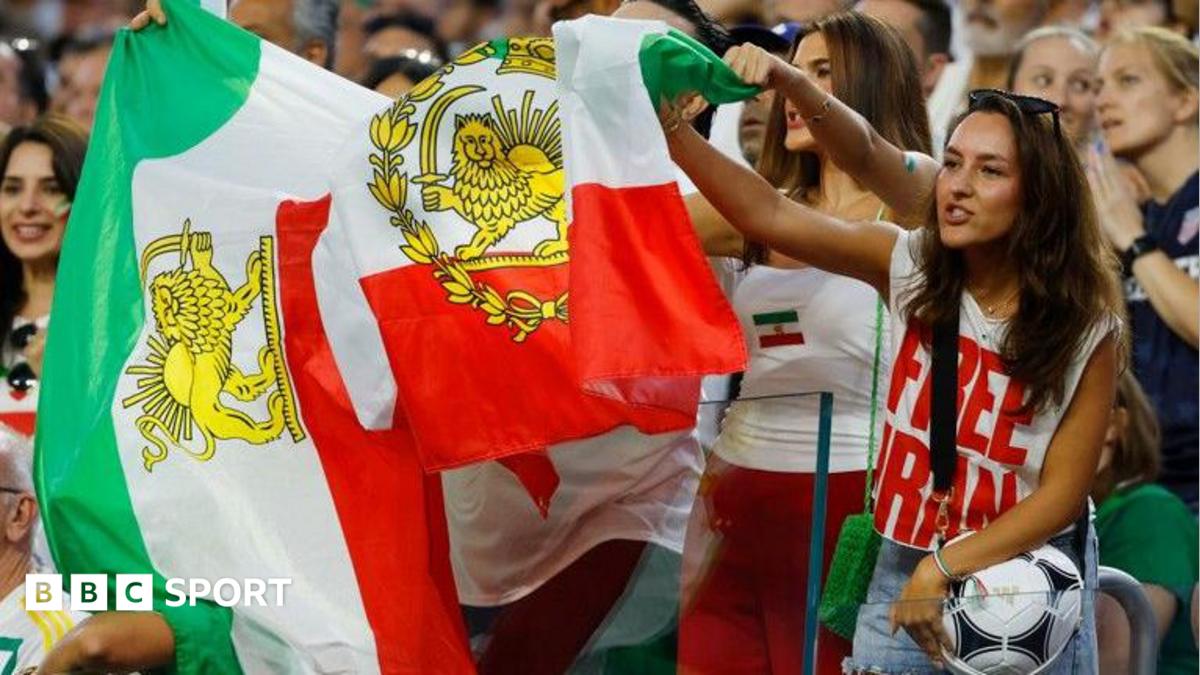
The match itself became a flashpoint for the ongoing political divide within the Iranian diaspora. While thousands of fans cheered for “Team Melli,” the crowd was split between supporters of the Islamic Republic’s official flag and those waving the pre-revolutionary Lion and Sun standard. This visual divide reflected the intense sentiment outside the stadium, where protesters gathered to denounce the regime, according to the BBC.
The visibility of the Lion and Sun flag followed a legal battle in Los Angeles County Superior Court. Just hours before kickoff, Judge Curtis A. Kin denied an emergency application that sought to prevent FIFA from enforcing its ban on the pre-revolutionary symbol. FIFA had categorized the flag as a banned item under its stadium code of conduct, a decision the judge upheld by noting that a stadium is private property rather than a public forum, as detailed by The New York Times.
The legal dispute highlights the intersection of international sporting governance and local jurisdictional authority. FIFA, as the governing body for the tournament, maintains strict regulations regarding the display of political symbols, banners, and flags to minimize the potential for disruption. However, these rules often clash with the expressive rights of diaspora communities, who view major sporting events as a global platform to voice grievances regarding their home nations. The court’s decision underscores the precedent that, while FIFA operates within the laws of the host nation, its internal stadium policies are generally enforceable as a condition of entry for spectators.
Protesters and Fan Reactions
Outside the venue, the atmosphere remained charged. Protester Kourosh Kiumarsi held a makeshift noose as a symbol against executions in Iran, telling Al Jazeera that he viewed the squad as a “regime team.” Other demonstrators waved Israeli flags and called for further action against the Iranian government.

This follows our earlier report, Iran at FIFA World Cup 2026.
Despite the protests, many fans inside the arena focused on the game. Some attendees, like Iranian-American Samaneh, described the situation as “complicated,” noting that she attended to support the team while remaining staunchly opposed to the government. Others, such as Mostafa, argued that the sport should remain a space for unity. “Soccer is about friendship, cultural connections and putting politics aside,” he said.
The Iranian team now faces two more group-stage matches in the United States, with logistical uncertainties persisting. The draw against New Zealand leaves Iran in a precarious position within their group, where every point is vital for securing a spot in the knockout stages. The team’s depth, already challenged by the absence of key support staff, will be tested as they navigate the remainder of the schedule. While FIFA has emphasized its role in organizing a massive event, the team’s management continues to highlight the lack of support staff and the strain of being forced to operate from a base across the international border, creating a challenging environment for a squad trying to balance professional performance with the intense political scrutiny surrounding their presence in the United States.
Find more reporting in our Sport section.
