

FC Lausanne-Sport appointed Ludovic Magnin as head coach in 2022 after utilizing a data-driven recruitment process that integrated artificial intelligence to analyze candidate profiles. The Swiss Super League club leveraged algorithmic scouting to identify a manager whose tactical tendencies aligned with the team’s specific performance metrics and long-term development goals.
Integrating AI into the Coaching Search
The decision to incorporate artificial intelligence into the recruitment of a head coach represents a shift in how Swiss football clubs approach personnel management. Lausanne-Sport, under the ownership of the British group INEOS, sought to move beyond traditional scouting networks by employing quantitative analysis to narrow a list of potential candidates.
According to club officials, the data models focused on identifying coaches who demonstrated high efficiency in transition play and the ability to develop young players within a structured system. By processing vast amounts of match data from various European leagues, the software provided a shortlist of managers whose previous tactical outputs matched the club’s desired style of play.
This method aimed to mitigate the subjectivity often associated with coaching appointments. Rather than relying solely on reputation or historical success, the club’s management used the technology to highlight coaches who maximized their squads’ underlying metrics, such as expected goals (xG) and high-press frequency. In the context of the Swiss Super League, where resource disparities between clubs can be significant, maximizing the efficiency of a roster through specific tactical systems is often viewed as a way to punch above a club’s financial weight.
The use of data in football management has grown exponentially over the last decade. While player recruitment was the first frontier for advanced analytics—often referred to as the “Moneyball” effect—the application of these same principles to the technical staff is a newer development. Clubs now routinely track “coach impact” metrics, which attempt to isolate a manager’s influence on a team’s performance beyond the natural variance of player quality.
The Selection of Ludovic Magnin
Ludovic Magnin was identified through this data-led process following his tenure at SCR Altach in the Austrian Bundesliga. The club’s board of directors reviewed the AI-generated reports alongside qualitative assessments of his leadership style and communication skills.
The appointment was confirmed on February 23, 2022. Magnin took over the squad with the objective of stabilizing the team’s performance in the Swiss Super League. His transition to the role was framed by the club as a strategic alignment between the coach’s tactical history and the analytical profile generated by their recruitment software. Magnin, a former Swiss international player, brought a wealth of top-flight experience, which the club believed would complement the analytical data provided by the software.
The use of data is a tool to assist our decision-making, not to replace the human element of football. We looked for a profile that could handle the pressure of the league while adhering to our specific tactical requirements.
An official spokesperson for FC Lausanne-Sport
Magnin’s arrival occurred during a critical period for Lausanne-Sport as they sought to maintain their standing in the top tier of Swiss football. The coaching change was part of a broader organizational effort to professionalize the club’s operations, a hallmark of the INEOS ownership model, which emphasizes the application of marginal gains—a philosophy that posits that small, incremental improvements in every aspect of a process lead to significant collective success.
Comparing Data-Driven Approaches in Swiss Football
The move by Lausanne-Sport highlights a broader trend in European football where clubs increasingly treat coaching recruitment with the same analytical rigor as player transfers. While traditional methods rely on the “coaching tree” or agent recommendations, the Lausanne-Sport model emphasizes objective performance indicators.
Other clubs in the Swiss Super League have historically relied on more conventional recruitment paths, such as hiring coaches with established track records within the domestic league. The contrast here lies in the club’s willingness to prioritize data-derived compatibility over domestic familiarity. In the Swiss market, where the coaching pool can be relatively small, relying on data allows clubs to look toward neighboring leagues like the Austrian Bundesliga or the German 2. Bundesliga to find tactical profiles that match their specific needs.
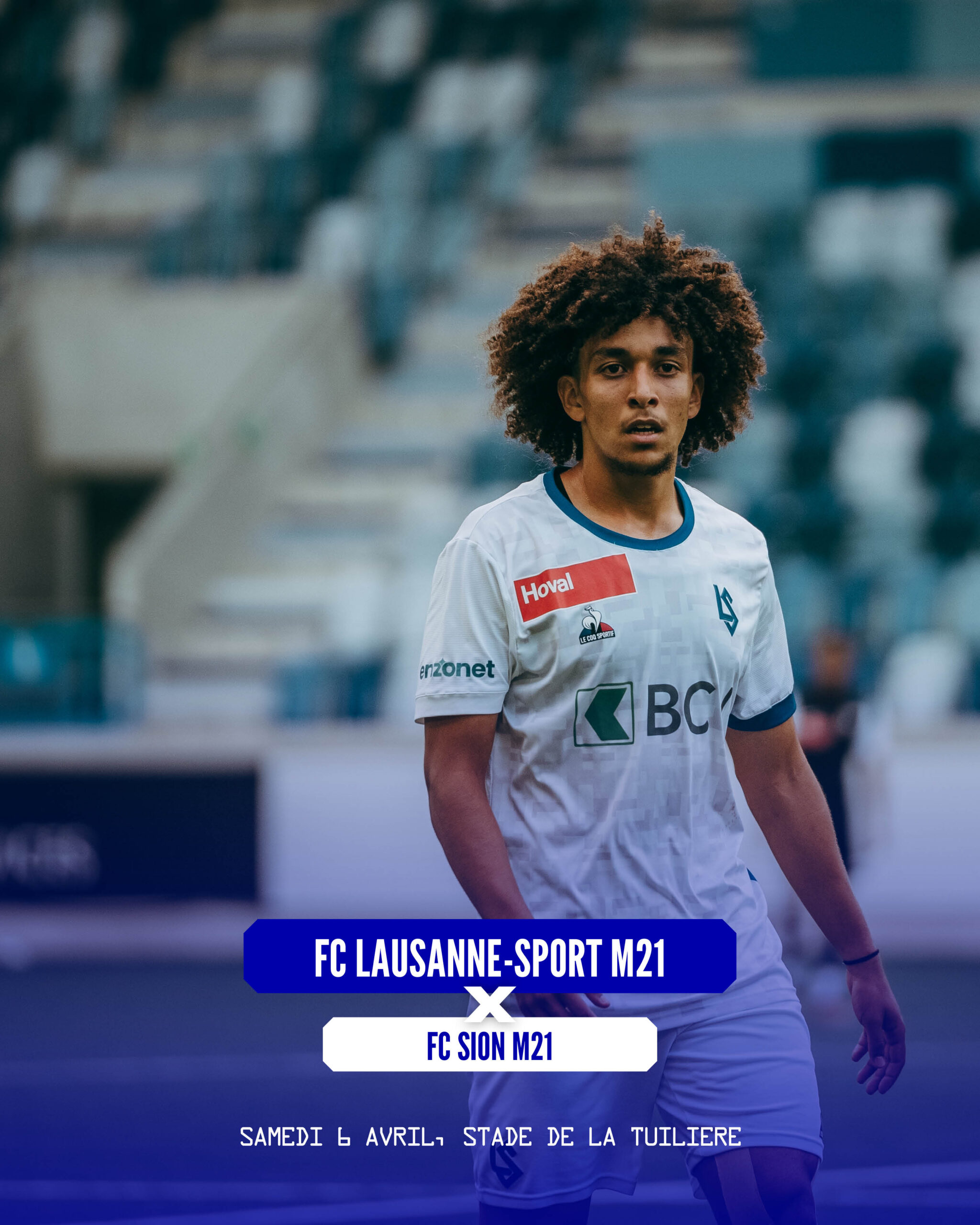
This approach aligns with the wider INEOS strategy in sports, which frequently integrates performance science and data analytics across its various assets, including its involvement in cycling and Formula 1. The club’s reliance on this technology suggests that for organizations with corporate backing, the “managerial search” is evolving into a technical exercise of matching data signatures. By utilizing algorithms to filter thousands of potential candidates, Lausanne-Sport aimed to reduce the inherent bias that can lead to “safe” but ultimately ineffective hiring decisions.
Future Implications for Managerial Appointments
As of June 2026, the success of this model remains a topic of analysis for football executives. The integration of artificial intelligence in hiring remains in its infancy, with most clubs using it as a supportive layer rather than a primary decision-maker. The volatility of the sport—where a single injury to a star player or an unexpected red card can derail a season—means that no amount of data can fully insulate a club from the challenges of a long league campaign.
For Lausanne-Sport, the challenge remains balancing the output of these algorithms with the unpredictable nature of player morale and team culture. While the technology can accurately map a coach’s historical tactical preferences, it cannot predict how those methods will manifest within a specific locker room environment. The club continues to monitor how these AI-led insights correlate with long-term results, ensuring that the technology serves as a supplement to, rather than a substitute for, executive judgment. As data models become more sophisticated, the focus is likely to shift toward predictive analytics—attempting to model not just what a coach has done in the past, but how they might adapt their style to the unique constraints and opportunities of a new squad.
Find more reporting in our Sport section.
