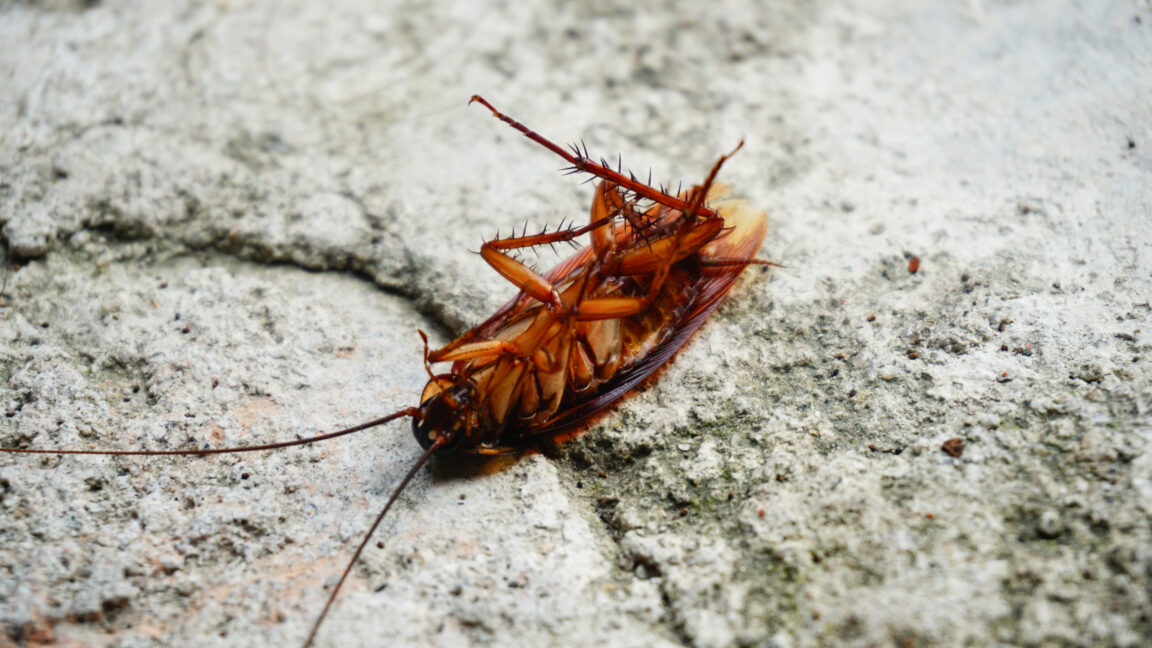
Researchers have discovered that cockroaches carry thousands of DNA fragments from the bacteria Blattabacterium cuenoti, a phenomenon dating back millions of years. This extensive horizontal gene transfer, identified in a 2026 study, suggests these insects have integrated foreign genetic material into their genomes, potentially aiding their survival and evolutionary adaptation.
Evidence of Ancient Bacterial DNA in Cockroach Genomes
A team led by researchers from the University of Sydney has identified tens of thousands of DNA fragments within the genomes of 18 cockroach and termite species. The study, published in 2026, reveals that these insects have incorporated genetic material from the bacteria Blattabacterium cuenoti, a microbe known to reside within cockroaches to assist with nitrogen recycling. While horizontal gene transfer (HGT)—the movement of genetic material between species—is common in microorganisms, this discovery highlights its prevalence in complex multicellular animals.
According to ScienceAlert, the researchers found 40,485 bits of bacterial DNA in total, with individual insects carrying between 93 and 4,900 fragments. This finding significantly exceeds previous records of HGT in eukaryotes, where researchers had previously identified fewer than 300 instances. The sheer scale of this integration suggests that the relationship between the cockroach and its endosymbiont is far more intimate at a molecular level than previously understood, moving beyond simple nutrient exchange into the realm of permanent genomic architecture.
Mechanisms of Horizontal Gene Transfer
Horizontal gene transfer typically occurs when cells from different species maintain close physical contact, allowing the host to absorb loose pieces of DNA. In the case of cockroaches, the process is facilitated by the presence of endosymbiotic bacteria. Ars Technica notes that because bacteria lack a nuclear membrane, foreign DNA can easily intermingle with their genomes. In multicellular hosts, this incorporation is often aided by DNA damage repair enzymes, which may inadvertently insert foreign sequences while attempting to fix broken strands. This process often occurs within the germline, ensuring that the genetic additions are passed down to subsequent generations.
The researchers highlighted the complexity of these insertions in their published findings:
“We identified numerous chimeric inserts comprising up to nine short segments from different locations in the B. cuenoti genome,” the researchers stated. (via ScienceAlert)
This “chimeric” nature suggests that the cockroach genome is not merely absorbing single genes, but potentially stitching together complex bacterial sequences. Such structural complexity is rarely documented in eukaryotes, providing a new window into how genomes evolve through the acquisition of non-native biological components.
Evolutionary Implications and Functional Roles
Some of these bacterial inserts have persisted within the cockroach lineage for at least 28.7 million years. While the exact biological utility of these fragments remains under investigation, scientists suggest they could provide the host with increased robustness or molecular versatility. The long-term retention of these sequences is a key indicator of evolutionary selection; if the DNA were purely harmful, natural selection would typically purge it from the population over such vast geological timescales.
Cockroach genomes are packed with DNA transferred by their endosymbiont bacterial partners
The researchers remain cautious regarding the specific impact of these transfers, noting three primary possibilities for their persistence:
The inserts may have assumed functional roles in genes or intergenic regions.
The fragments may be effectively neutral.
The DNA could be slightly deleterious, but not harmful enough to be purged by evolutionary pressure.
“The persistence of numerous inserts over millions of years indicates that they may have assumed functional roles in both genes and intergenic regions, are effectively neutral, or are only slightly deleterious,” the study authors wrote.
Photo: Ars Technica
The broader significance of this work lies in how it challenges the traditional view of the “tree of life” as a series of isolated branches. Instead, it suggests a “web” of genetic exchange where complex animals consistently draw upon the genetic toolkits of their microbial partners. Future research is expected to focus on cockroaches and other species harboring obligate endosymbiotic prokaryotes to determine if these genetic additions provide tangible survival advantages, such as enhanced toxin neutralization or physiological resilience, which might explain the cockroach’s legendary reputation for surviving in diverse and harsh environments.
Sophie Williams is the Tech Editor at Headlinez.News, covering innovation, artificial intelligence, cybersecurity, and emerging technology trends. Before joining the publication, she worked as a technology correspondent and product analyst for multiple tech-focused media outlets. With a background in computer science and digital media, Sophie bridges technical depth with accessible reporting, bringing readers closer to the technologies transforming everyday life.
Expertise: Artificial intelligence, consumer tech, cybersecurity, startups, digital transformation.
Location: San Francisco, California, USA