
The 2026 FIFA World Cup is already delivering drama, chaos, and historic moments—just 11 days into the tournament. Germany’s 7-1 demolition of Curazao set a new scoring record, while Tunisia’s 5-1 loss to Sweden triggered the first managerial sacking of the competition. Meanwhile, Spain’s 0-0 draw against Cabo Verde left the reigning European champions without a single goal scored, and France’s Ousmane Dembélé—despite winning the Ballon d’Or—has struggled to replicate his club form on the world stage.
Germany’s 7-1 Record-Breaking Start: How the Mannschaft Became the Scoring Machine
Germany’s opening statement in the 2026 World Cup wasn’t just a victory—it was a statement of dominance. The 7-1 thrashing of Curazao at NRG Stadium in Houston didn’t just hand Julian Nagelsmann’s side their first win; it shattered records and set a new benchmark for offensive firepower in World Cup history.
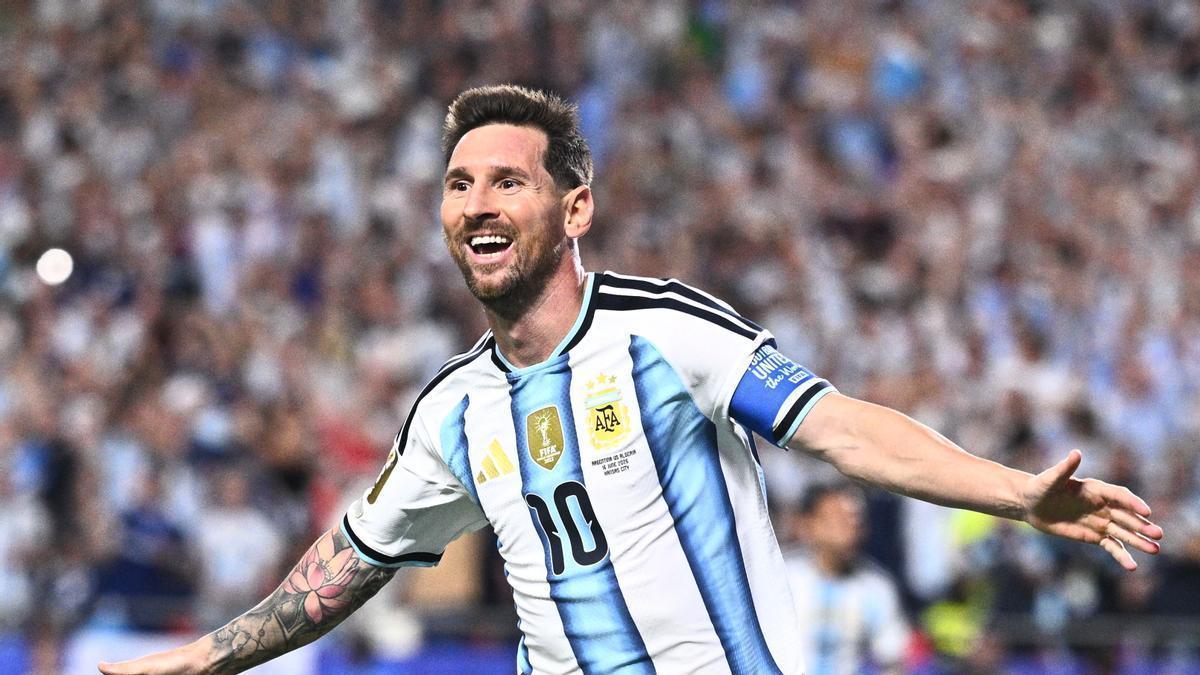
Felix Nmecha’s early strike at the six-minute mark set the tone, but it was Livano Comenencia’s 21st-minute goal that gave Curazao a fleeting moment of glory—their first-ever World Cup tally. For a nation making its debut on the world stage, that goal alone will be etched in history. But Germany’s response was merciless. By the final whistle, they’d become the highest-scoring team in World Cup history, surpassing Brazil’s previous record of 239 goals across all tournaments. With 239 tallied in just their first game, the Mannschaft now holds the all-time record—and they’re only getting started.
Curazao’s debut, though historic, was a masterclass in how quickly the World Cup can expose even the most optimistic underdogs. The Caribbean nation’s 7-1 loss wasn’t just a defeat—it was a reminder that in the World Cup, no team, no matter how small, is immune to the sheer power of the tournament’s giants.
Tunisia’s Collapse: The First Managerial Sacking of the 2026 World Cup
What started as a promising campaign for Tunisia ended in humiliation—and a managerial upheaval. Sweden’s 5-1 demolition in Monterrey wasn’t just a loss; it was the catalyst for the first coaching change of the tournament. Sabri Lamouchi, who took over in January, lasted just five games before being sacked after the defeat.

Hervé Renard, a veteran African coach with World Cup experience, was named as his replacement—a move that underscored the urgency of Tunisia’s crisis. The 5-1 defeat wasn’t just about goals; it was about identity. Yasin Ayari, a Swedish-born Tunisian, scored twice, while Alexander Isak and Viktor Gyökeres added to the rout. Omar Rekik’s late consolation barely scratched the surface of the damage.
Tunisia’s collapse mirrors a broader trend in the 2026 tournament: even teams with recent success can unravel quickly. Their elimination now seems likely, but the real story is the speed at which the World Cup’s pressure cooker forces change—even at the managerial level.
Spain’s Goal-Drought: How the Reigning European Champions Became the Tournament’s Biggest Flop
Spain’s opening game against Cabo Verde wasn’t just a draw—it was a statement of how quickly even the most decorated teams can falter. The reigning European champions failed to score a single goal in their 0-0 stalemate, a stark contrast to their dominance in recent years.
The result wasn’t just about the score—it was about the narrative. Spain, once the epitome of possession football, found themselves outmaneuvered by a team making its World Cup debut. The lack of creativity from players like Pedri and Rodri left their supporters questioning whether the golden generation has truly lost its edge.
For a team that entered the tournament as one of the favorites, the 0-0 draw was a wake-up call. If Spain can’t find a way to break down defenses, their early exit could become a reality—something that would mark a historic collapse for a nation that once defined an era of football.
France’s Dembélé Dilemma: The Ballon d’Or’s Struggle in the World Cup Spotlight
Ousmane Dembélé, the 2025 Ballon d’Or winner, was supposed to be France’s star. Instead, he’s become the tournament’s biggest question mark. His underwhelming performance in the 2-2 draw against Senegal—overshadowed by Kylian Mbappé’s double and Michael Olise’s MVP effort—has left fans and pundits questioning whether the World Cup is the stage for his brilliance.
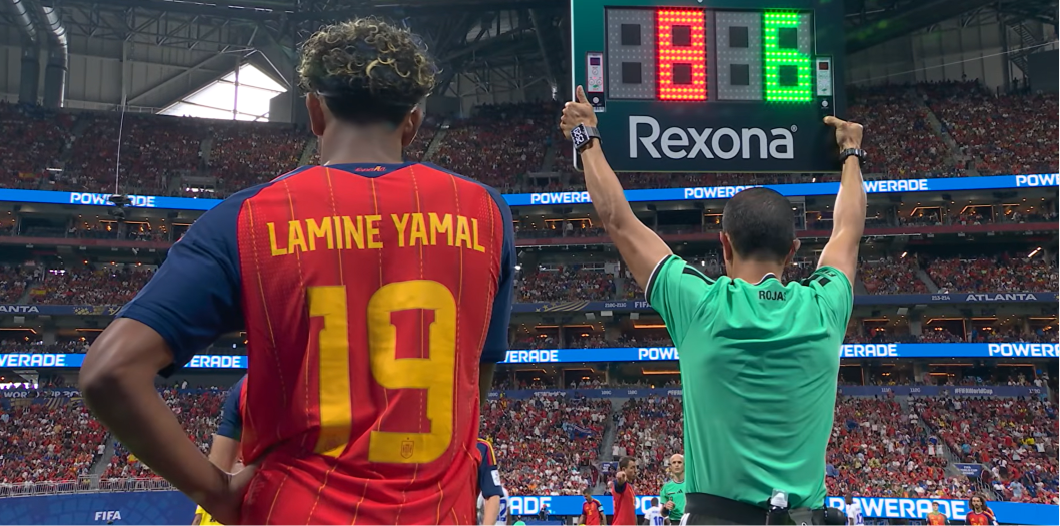
“Ousmane changed in the second half, but he alternates with Olise. They all understand each other, united on and off the pitch.”
Despite the struggles, Dembélé’s teammates remain loyal. Malo Gusto and William Akliouche both defended him, emphasizing his leadership and the team’s unity. But the reality is stark: in a tournament where Mbappé and Olise are stealing the spotlight, Dembélé’s Ballon d’Or status feels increasingly detached from his World Cup form.
For France, the challenge is clear: can they adapt without their star? Or will Dembélé’s inconsistency force Didier Deschamps to rethink his tactics before the knockout stages?
What Comes Next: The World Cup’s Wildest Week Ahead
The first week of the 2026 World Cup has already delivered shockwings, upsets, and historic moments. But the real drama is just beginning. With Argentina and France set to clash in a rematch of the 2022 final, Lionel Messi’s legacy hangs in the balance. Meanwhile, Norway’s Erling Haaland makes his World Cup debut, and the race for the top spots in each group intensifies.
One thing is certain: this World Cup isn’t just about the games—it’s about the stories. And so far, 2026 is delivering them in spades.
- June 20, 2026: Argentina vs. France (rematch of the 2022 final)
- June 21, 2026: Norway’s Erling Haaland makes his World Cup debut
- June 22, 2026: Group stage concludes; knockout round begins
The 2026 World Cup is already rewriting the script—and it’s only just begun.
Find more reporting in our Sport section.
