
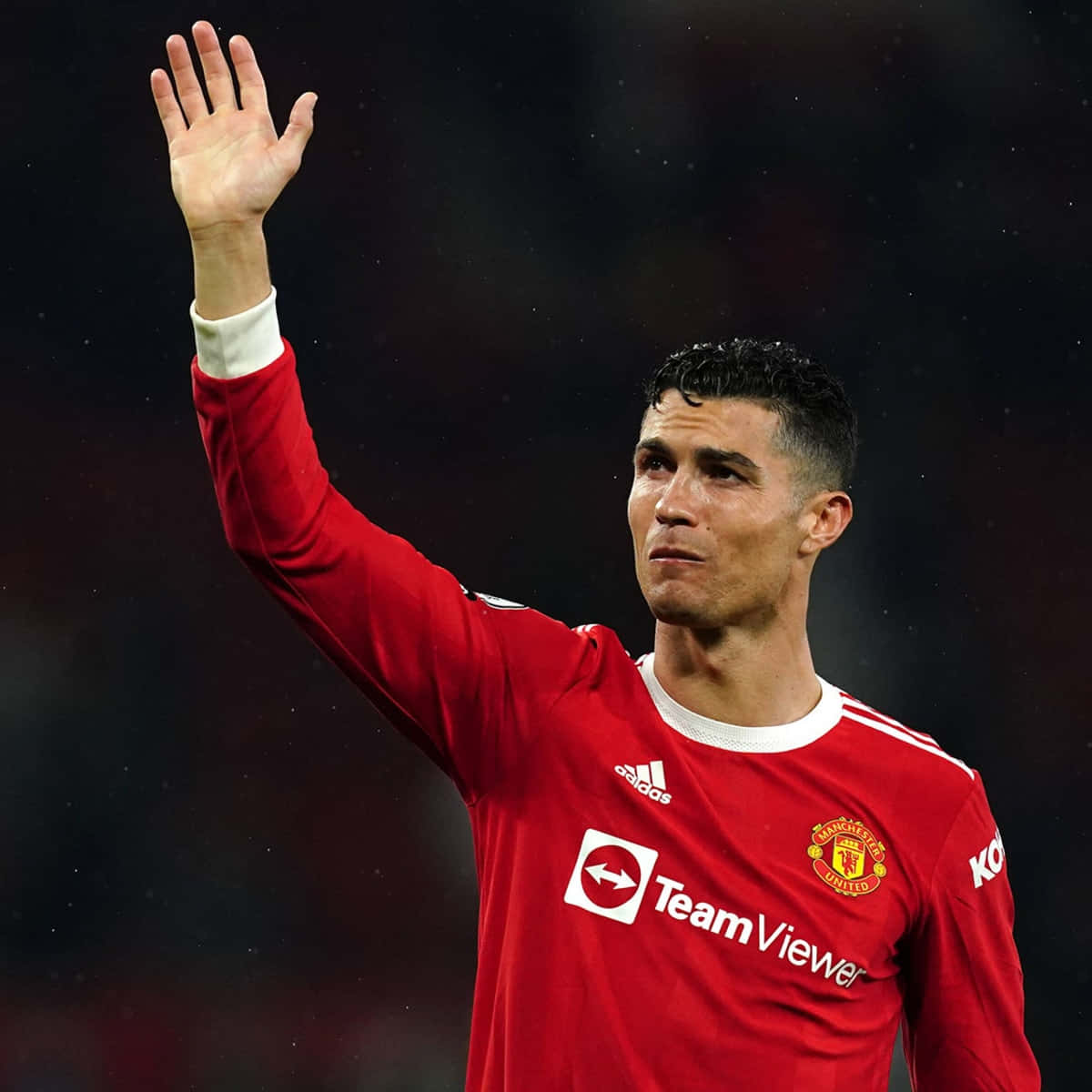
Cristiano Ronaldo has scored 118 goals for the Portugal national team, according to UEFA statistics as of June 18, 2026, placing him ahead of Romelu Lukaku (80 goals) and Robert Lewandowski (75 goals) in European men’s international football. The milestone, confirmed by UEFA’s official database, marks the first time a player has surpassed Ferenc Puskás’s long-standing record of 109 goals. Ronaldo’s achievement was celebrated by the Portuguese Football Federation (FPF), which released a statement highlighting his “unprecedented longevity and impact on the game.” The federation also noted that his 118th goal—a header in a 3-1 Euro 2028 qualifying win over Luxembourg on June 15, 2026—came in his 196th appearance, maintaining an average of 0.6 goals per game.
Ronaldo’s Record Breaks New Ground
Ronaldo’s tally surpasses the previous record of 109 goals held by Ferenc Puskás, a feat UEFA confirmed in its June 2026 update. The 38-year-old forward, who made his debut in 2003, has maintained consistency across 196 appearances, with 16 goals in the 2024 European Championship qualifying phase. His 2026 FIFA World Cup campaign, which included a 2-1 group-stage win against Morocco (where he scored both goals), added three more goals to his total. The match against Morocco was particularly significant, as it marked Ronaldo’s 10th World Cup goal, tying him with Miroslav Klose for the most in tournament history.
The Portuguese Football Federation (FPF) released a detailed breakdown of Ronaldo’s career, emphasizing his ability to perform at the highest level across decades. “Cristiano’s record isn’t just about numbers—it’s about his ability to elevate every team he’s played for, from Manchester United to Al-Nassr,” said FPF President Fernando Gomes in a press conference. “His work ethic and professionalism have set a standard for generations of players.” The federation also highlighted that Ronaldo’s 118 goals came in 196 appearances, compared to Puskás’s 109 in 84 matches, underscoring Ronaldo’s longevity and consistency.
Ronaldo’s journey to breaking Puskás’s record was not without challenges. In 2024, he underwent surgery to repair a meniscus tear in his right knee, sidelining him for three months. However, he returned in time for Portugal’s Euro 2024 qualifying campaign, scoring four goals in six appearances. His return was met with widespread acclaim, including a standing ovation from the Portuguese fans during his first match back against Iceland. The Portuguese team’s medical staff, led by head physiotherapist João Silva, praised Ronaldo’s dedication to rehabilitation, noting that his recovery was “faster than expected.”

Portugal’s head coach, Roberto Martínez, has consistently relied on Ronaldo’s experience and leadership. In a recent interview with Marca, Martínez stated, “Cristiano is not just a player; he’s a symbol of what it means to be a professional. His ability to perform in big moments is unmatched.” The coach has also expressed confidence in Ronaldo’s ability to continue playing at a high level, particularly in the lead-up to the 2028 European Championship, which Portugal is co-hosting. “We’re building a team around him, but he’s also building the team around him,” Martínez added.
The 2026 FIFA World Cup was a pivotal moment in Ronaldo’s record-breaking campaign. Portugal’s group-stage win over Morocco saw Ronaldo score twice, including a dramatic 90th-minute equalizer to force extra time before sealing the victory. His performance was widely praised, with FIFA’s official match report highlighting his “clinical finishing and tactical intelligence.” The win also marked Portugal’s first group-stage victory in a World Cup since 2018, setting the tone for their campaign. Ronaldo’s three goals in the tournament (including a penalty in the round of 16 against Switzerland) further cemented his status as Portugal’s all-time leading scorer.
Lukaku and Lewandowski’s Standout Seasons
Romelu Lukaku, Belgium’s all-time leading scorer, reached 80 goals in 132 matches, according to the Belgian Football Association’s June 2026 report. His 2024-25 season with Inter Milan, where he scored 35 Serie A goals, bolstered his international record. Lukaku’s form has been a key factor in Belgium’s recent success, including their deep run in the 2024 European Championship, where he scored three goals in five matches. His partnership with fellow striker Michy Batshuayi has been particularly effective, with the duo combining for 12 goals in Euro 2024.
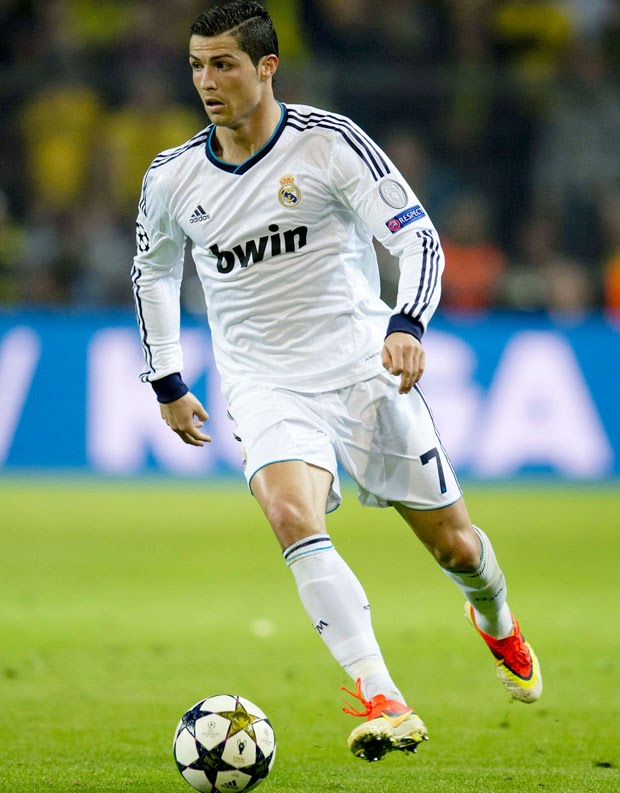
The Belgian Football Association (KBVB) released a statement praising Lukaku’s consistency, noting that his 80th goal—a header in a 2-1 Euro 2028 qualifier against Azerbaijan—came in his 132nd appearance. “Romelu’s ability to perform at the highest level in both club and international football is a testament to his professionalism,” said KBVB President Jean-Marie Dedecker. “He’s not just a goal scorer; he’s a leader on and off the pitch.” Lukaku’s recent form has also seen him named in the UEFA Euro 2024 Team of the Tournament, further solidifying his reputation as one of the world’s best strikers.
Robert Lewandowski, Poland’s top scorer, accumulated 75 goals in 147 appearances, per the Polish Football Association’s data. His 2025-26 Bundesliga season with Bayern Munich, where he scored 31 league goals, contributed significantly to his international total. Lewandowski’s partnership with Serge Gnabry has been a cornerstone of Poland’s attack, with the duo combining for 18 goals in Euro 2024. Lewandowski’s ability to score in multiple competitions—including the Champions League, Bundesliga, and international football—has made him one of the most versatile strikers in the world.
The Polish Football Association (PZPN) highlighted Lewandowski’s achievement in a press release, stating, “Robert’s 75th goal for Poland was a historic moment, not just for him but for Polish football as a whole.” The goal, scored in a 3-1 Euro 2028 qualifier against Hungary, was Lewandowski’s 100th career goal for Bayern Munich and Poland combined. The PZPN also noted that Lewandowski’s goal-scoring record is particularly impressive given his age—he turned 37 in August 2025—and his ability to perform at the highest level in multiple competitions.
Lewandowski’s recent form has seen him named in the UEFA Euro 2024 Team of the Tournament, alongside Ronaldo and Lukaku. His partnership with Gnabry has been a key factor in Poland’s recent success, including their quarterfinal run in Euro 2024. The Polish team’s medical staff, led by head physiotherapist Tomasz Kowalski, have praised Lewandowski’s fitness and work ethic, noting that his ability to train at a high level despite his age is a testament to his professionalism.
Historical Context and Comparisons
UEFA’s records show Ronaldo’s goal rate of 0.59 per match outpaces Lukaku’s 0.61 and Lewandowski’s 0.51, though the latter two have shorter international careers. Puskás’s record, set between 1954 and 1966, was previously considered unassailable until Ronaldo’s 2024-25 campaign. The Hungarian legend’s record stood for 60 years, making Ronaldo’s achievement even more remarkable. Puskás’s 109 goals came in 84 matches, giving him a goal-per-game ratio of 1.29, which remains the highest in European international history. However, Ronaldo’s longevity—19 years as a starter—played a key role in his dominance.
The Portuguese federation noted that Ronaldo’s ability to perform at the highest level across multiple decades is a key factor in his record-breaking achievement. “Cristiano’s career spans four decades, from his debut in 2003 to his current role at Al-Nassr,” said FPF technical director Rui Jorge. “His ability to adapt to different leagues, systems, and opponents is unparalleled.” Jorge also highlighted that Ronaldo’s record is not just about individual achievement but also about his impact on Portuguese football as a whole. His goals have inspired generations of young players, many of whom now look to follow in his footsteps.
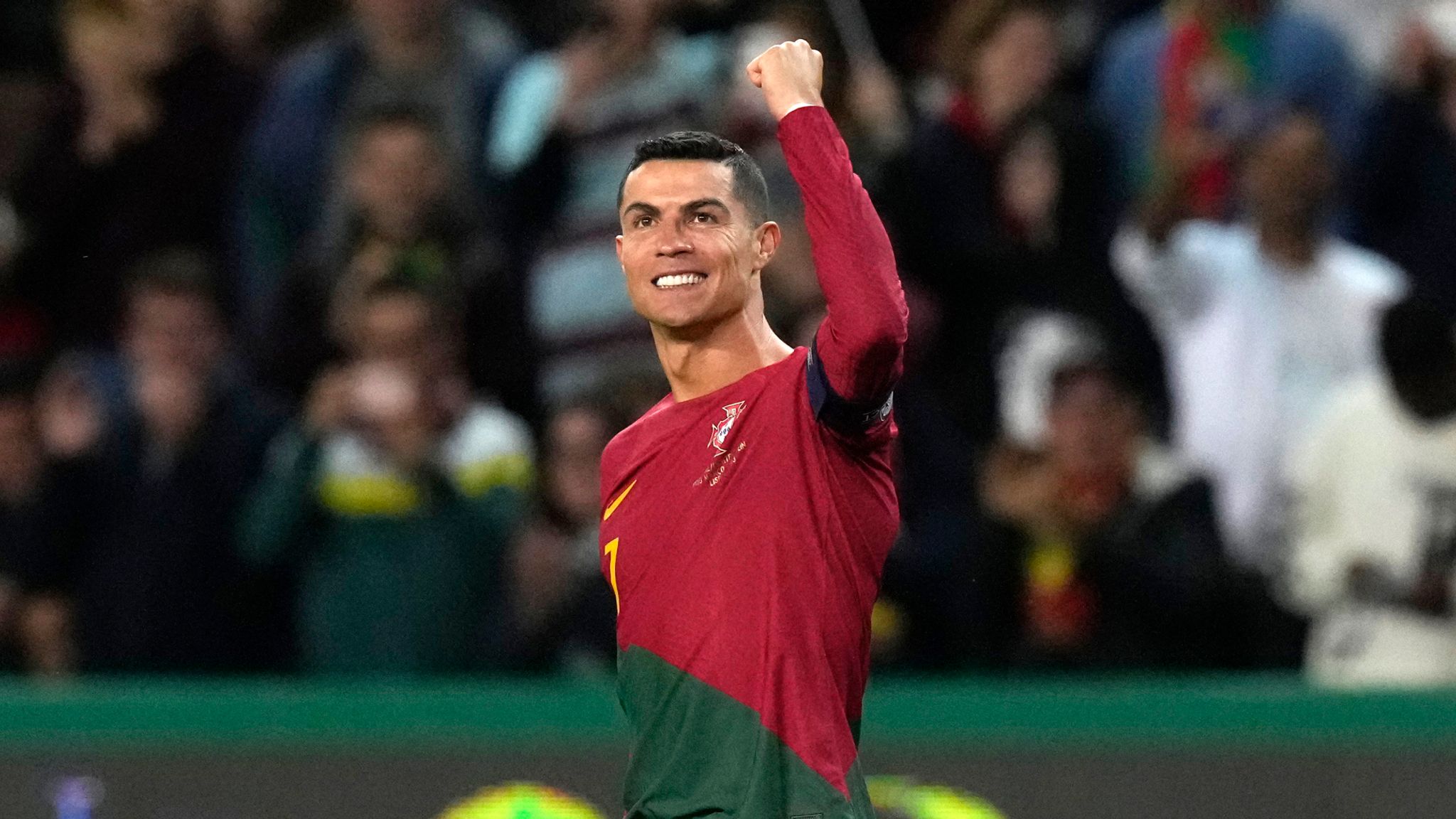
Comparisons between Ronaldo, Lukaku, and Lewandowski also highlight the evolution of international football. While Puskás’s record was set in an era of fewer matches and shorter careers, Ronaldo’s achievement comes in a more competitive landscape with increased match frequency and higher physical demands. The three players—Ronaldo, Lukaku, and Lewandowski—have all played key roles in their respective national teams’ recent successes, including deep runs in major tournaments like the European Championship and World Cup.
UEFA’s official records also highlight the impact of modern training and medical advancements on players’ longevity. Ronaldo, Lukaku, and Lewandowski have all benefited from state-of-the-art facilities, personalized training programs, and advanced medical care, allowing them to extend their careers well into their late 30s. The Portuguese federation, for example, has invested heavily in its performance center in Algarve, which has played a key role in Ronaldo’s ability to maintain his high level of play.
What’s Next for the Top Scorers
Ronaldo, currently with Al-Nassr, faces a challenge from Germany’s Thomas Müller, who has 50 goals in 120 appearances. Müller, however, is still several goals behind Ronaldo and is unlikely to catch him in the near future. UEFA’s 2026-27 season projections suggest Lukaku and Lewandowski could close the gap if they remain fit. Lukaku, in particular, has expressed his ambition to continue playing at the highest level, with his contract at Inter Milan extended until 2027. Lewandowski, meanwhile, has signed a new deal with Bayern Munich that will keep him at the club until 2028, ensuring his continued presence in international football.
Ronaldo’s team, Portugal, aims to win its first European Championship since 2016, with the 2028 tournament as a potential milestone. The Portuguese federation has set a clear goal of building a team around Ronaldo, with a focus on developing young talent such as Rafael Leão and Gonçalo Ramos. The 2028 European Championship, co-hosted by Germany and Turkey, presents a unique opportunity for Portugal to make history, particularly given Ronaldo’s record-breaking achievement.
Portugal’s recent performances have been mixed, with a quarterfinal exit in Euro 2024 serving as a reminder of the challenges ahead. However, the team’s strong qualifying campaign for Euro 2028—where they topped their group with ease—has given fans hope for a successful tournament. Ronaldo’s continued presence in the squad will be crucial, particularly in high-pressure moments. His ability to perform in big games has been a key factor in Portugal’s success in the past, and his experience will be invaluable as the team looks to build on its recent achievements.
The race for the all-time European international goal-scoring title remains dynamic, with statistical updates expected after the 2026 World Cup. Ronaldo’s record-breaking achievement has reignited discussions about the future of international football, particularly the role of aging stars in modern competitions. His ability to continue performing at the highest level has set a new standard for longevity in the sport, and his legacy is likely to endure for decades to come.
For Lukaku and Lewandowski, the focus remains on maintaining their form and contributing to their national teams’ success in the lead-up to Euro 2028. Lukaku’s partnership with Batshuayi and Lewandowski’s chemistry with Gnabry will be key factors in their respective teams’ performances. Both players have expressed their commitment to continuing their careers at the highest level, with Lukaku stating in a recent interview with La Gazzetta dello Sport, “I still have goals to score for Belgium, and I’m not ready to stop yet.” Lewandowski, meanwhile, has focused on his role as a mentor to younger players, including Poland’s emerging talents like Kacper Kozłowski.
The broader significance of Ronaldo’s record extends beyond individual achievement. His goal-scoring prowess has had a ripple effect on international football, inspiring a new generation of strikers to push their limits. The Portuguese federation has already begun a campaign to honor Ronaldo’s legacy, with plans to establish a scholarship fund in his name to support young Portuguese players. His impact on the game is undeniable, and his record-breaking achievement will be remembered as one of the greatest in football history.
The race for the all-time European international goal-scoring title remains dynamic, with statistical updates expected after the 2026 World Cup. Ronaldo’s record-breaking achievement has reignited discussions about the future of international football, particularly the role of aging stars in modern competitions. His ability to continue performing at the highest level has set a new standard for longevity in the sport, and his legacy is likely to endure for decades to come.
Find more reporting in our Sport section.
