
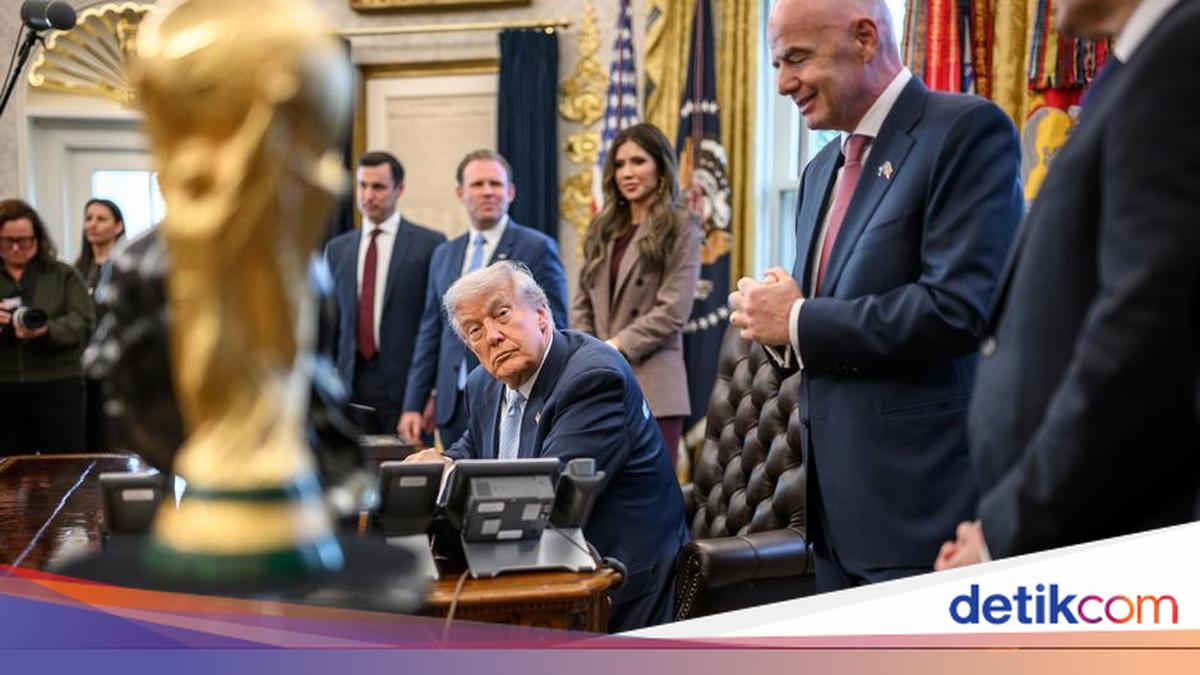
The 2026 FIFA World Cup, hosted by the United States, has faced significant scrutiny this week as visa denials and travel restrictions prevented key officials, players, and referees from entering the country. These border security hurdles have impacted national team staff, the head of the Palestinian Football Association, and top-tier officials.
Visa Barriers and the Case of Referee Omar Artan
The most prominent casualty of the U.S. immigration vetting process is Somali referee Omar Artan, whose dream of officiating at the World Cup ended following an 11-hour interrogation at Miami International Airport. According to reporting from Kompas.id, U.S. immigration officials declared Artan ineligible for entry, citing concerns over “pemeriksaan keamanan,” or security checks.
As CNBC Indonesia reports, authorities specifically questioned Artan regarding alleged “asosiasi dengan anggota organisasi teroris yang dicurigai.” Artan has denied these allegations, maintaining that his diplomatic passport and single-entry visa were valid. Despite being blocked from the tournament, FIFA has committed to paying his full honorarium. The 34-year-old, who was named the 2025 African Referee of the Year, has publicly stated his intent to pursue a return to the global stage by 2030. In the context of FIFA officiating protocols, elite referees are vetted through a rigorous international selection process that occurs years in advance; for a selected official to be barred at the border represents a rare logistical failure in the tournament’s pre-event coordination.
Operational Challenges for the Iran National Team
The Iran national team has encountered unique logistical obstacles, with head coach Amir Ghalenoei describing his squad as the “tim yang paling tertindas” (most oppressed team) in the tournament. According to Detik, the team was forced to vacate their hotel in Los Angeles immediately following a 2-2 draw against New Zealand, returning to a training camp in Tijuana, Mexico, without standard recovery time. This draw was a critical fixture in their group stage campaign; the lack of access to proper recovery facilities in the U.S. has raised concerns regarding competitive balance, as other teams in the tournament maintain long-term, secure base camps within U.S. borders.
For more on this story, see Iranian soccer team barred from recovery after U.S. World Cup draw.
This follows months of uncertainty regarding visa approvals for Iranian staff due to ongoing diplomatic tensions. Warta Ekonomi notes that the political friction has spilled into the stands, where protesters have clashed with supporters and displayed pre-1979 revolution flags, further complicating the tournament environment for the delegation. For any national team, the ability to maintain a consistent base of operations is vital for tactical preparation and player health; the forced displacement of the Iranian squad underscores the intersection of geopolitical volatility and the logistical demands of a tournament hosted across three nations.
Diplomatic Strains and Palestinian Football Leadership
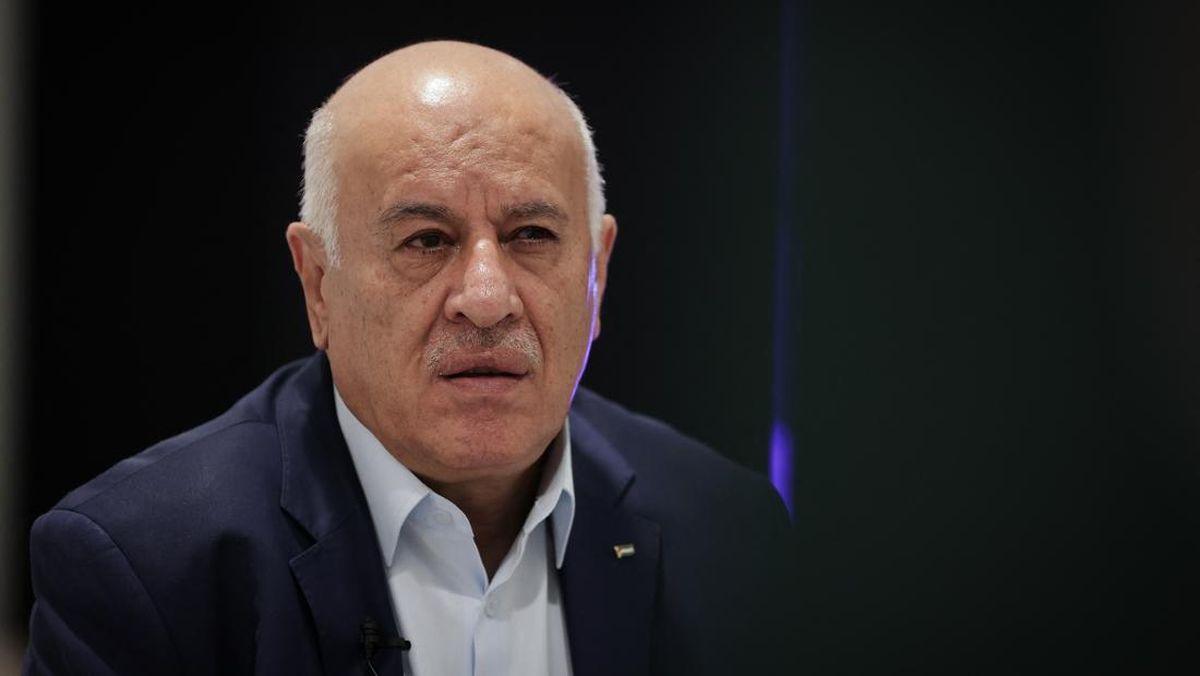
The impact of U.S. border policy extends to the leadership of international football federations. Jibril Rajoub, head of the Palestinian Football Association, was unable to enter the United States to attend the tournament, despite having previously attended the opening match in Mexico City. CNN Indonesia reports that the U.S. Department of State implemented new restrictions on Palestinian passport holders last year, which have effectively barred high-level officials from entry. Such restrictions are typically governed by national security protocols that supersede the standard entry requirements for international sports dignitaries.
This follows our earlier report, Saudi Arabia to Face Uruguay in 2026 FIFA World Cup Opening Match.
FIFA President Gianni Infantino has acknowledged the friction, though he maintains that the governing body’s influence over sovereign border policy is limited. “Kita perlu menghormati kita bukan raja dunia yang bisa memerintah pemerintah dan kepolisian,” Infantino stated, as cited by CNN Indonesia. This reflects a broader tension between FIFA’s promise that “penggemar dari seluruh dunia akan diterima” and the practical reality of host-nation immigration requirements. In the history of the World Cup, FIFA has historically sought “Host City Agreements” that include clauses meant to ensure entry for all tournament participants, yet these agreements remain subject to the overarching legal frameworks of the host sovereign state.
Financial and Regulatory Hurdle for Visitors
Beyond specific high-profile cases, the U.S. has tightened entry requirements for citizens from several nations. As of early 2026, visitors from countries including Cape Verde are required to post a refundable travel bond of up to US$ 15,000. This policy, coupled with reports of denied visas for ticket-holding supporters, has cooled enthusiasm for the tournament in certain regions. The travel bond is an unusual financial barrier for a sporting event, typically reserved for specific immigration categories rather than general tourism or sports attendance.
:quality(80)/https://cdn-dam.kompas.id/images/2026/06/09/380f7b7dddd7faae6cc98e8e3cd6412f-1000241388.jpg "Photo: Kompas.id")
Read also: FIFA World Cup Faces Logistical and Diplomatic Crisis in US Host.
“Saya menangis karena ibu saya tidak bisa datang karena persoalan visa. Karena besarnya uang yang harus kami bayarkan untuk visa, kami tidak berhasil menyelesaikan prosesnya tepat waktu. Saya ingin ibu saya berada di sini, tetapi saya tetap sangat bahagia.” — Vozinha, Cape Verde Goalkeeper, via Detik
While FIFA maintains that it does not intervene in the sovereign visa processes of host nations, the accumulating instances of denied entry for participants and officials suggest that the “seamless” experience promised by leadership remains an elusive goal for the 2026 edition. As the tournament progresses toward the knockout stages, the ability of national federations to navigate these regulatory landscapes will continue to influence team morale and the overall atmosphere of the competition.
Find more reporting in our Sport section.
