
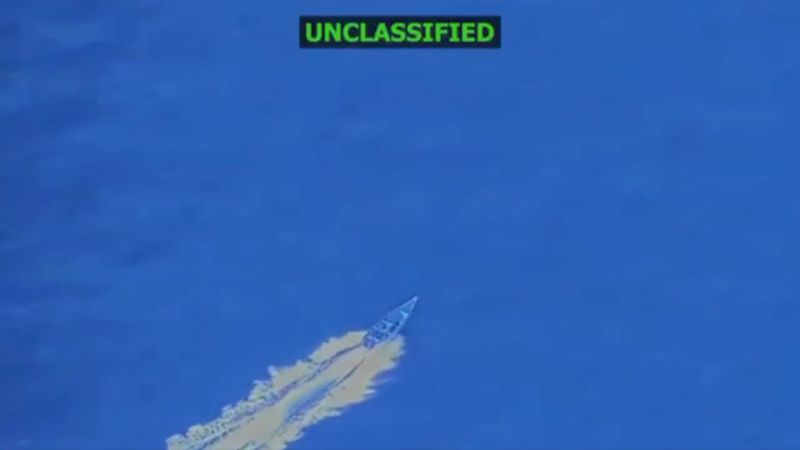
Trump Administration Disputes Congressional Claims Regarding Classified Briefings on Military Strikes
The Trump administration stated today it has provided seven classified briefings to Congress concerning recent U.S. military strikes targeting alleged drug boats, though lawmakers are questioning the completeness of the information shared.
According to a senior administration official, the briefings, which began in early September, included House and Senate leadership, the Armed Services Committees, the Intelligence Committees, and the Foreign Relations Committees. However, a Democratic Senate aide suggested the administration may be counting the same briefing multiple times, characterizing the claim of seven briefings as “highly misleading.” A GOP House Armed Services Committee aide confirmed their committee received three separate classified briefings – two for staff and one for members.
Concerns about the justification for the strikes were raised yesterday by Senator Mark Kelly, who stated the evidence presented during a Senate Intelligence Committee briefing did not “back up” the administration’s claims and that officials struggled to articulate the legal basis for the operations. “They were tying themselves in knots trying to explain this,” Kelly told ABC’s “This Week.” Representative Adam Smith, the top Democrat on the House Armed Services Committee, echoed these concerns, stating that the Pentagon and intelligence services have yet to provide answers to congressional inquiries. This lack of transparency comes as tensions rise regarding potential U.S. intervention in Venezuela.
Senator Lindsey Graham defended President Trump’s authority to authorize further military action, including potential land strikes, suggesting a broader operation against Venezuela and Colombia is under consideration. Graham stated the President intends to brief Congress on “future potential military operations” upon his return from Asia. The debate over the legality and scope of these actions highlights the ongoing struggle between executive power and congressional oversight in matters of foreign policy and military intervention, a dynamic that could significantly impact U.S. relations in the region.
Officials indicated that further briefings are planned, but a hearing before the House Armed Services Committee remains “complicated” by the current congressional schedule.
