
Australian Government Faces Mounting Pressure as Industry Bailouts Exceed $3 Billion
More than $3 billion in taxpayer funds has been allocated this year to support Australia’s metal making and smelting industries, raising concerns about a lack of overarching strategy as companies seek financial assistance to avoid closure.
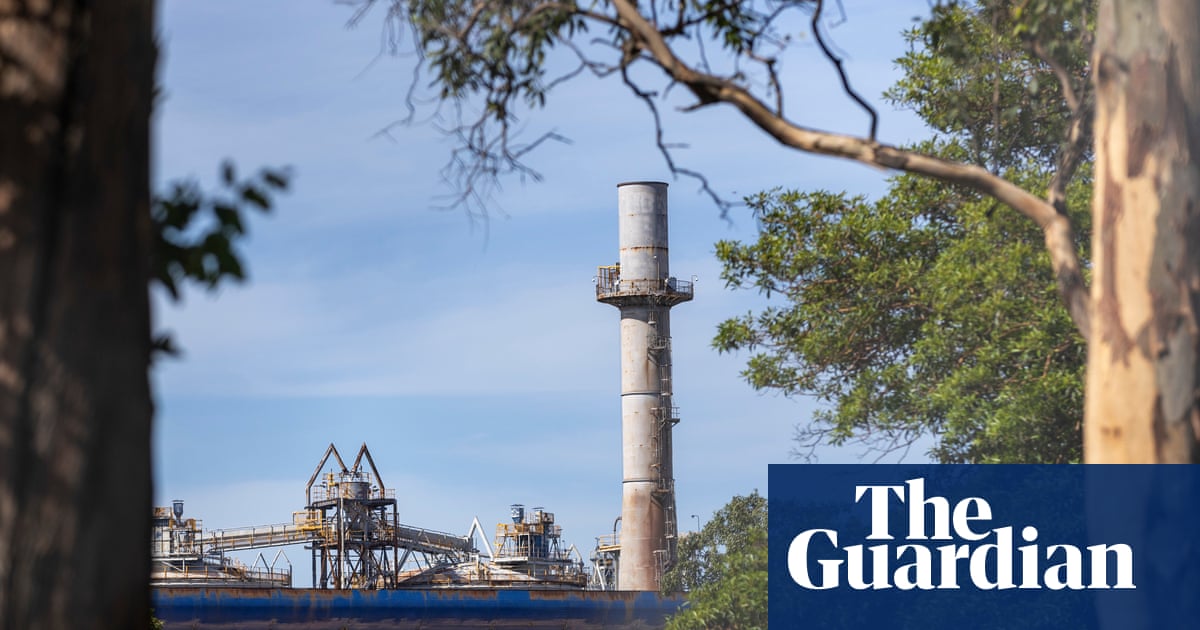
The trend began in February with a $2.4 billion rescue package for the Whyalla steelworks in South Australia, and has continued with requests from major manufacturers like Rio Tinto’s Tomago aluminium smelter in New South Wales and Glencore’s copper smelter. Tomago, which accounts for 10% of NSW’s electricity usage, is seeking a government handout after failing to secure a “commercially viable” energy contract beyond 2028, potentially leading to its closure before the end of the decade. This comes as Australia grapples with balancing industrial needs with its commitment to renewable energy targets.
Industry Minister Tim Ayres acknowledged “a very tough and volatile global trading environment in aluminium,” citing “over-subsidisation in some markets” and “tariff responses in others.” He stated the government is in “close discussions” with Tomago Aluminium to address long-term energy affordability. However, Alison Reeve, Head of the Grattan Institute’s energy and climate change program, warned against ad-hoc bailouts, stating, “We seem to be at risk of bailing out people as they turn up.” Reeve pointed to the success of Rio Tinto’s Boyne Smelters in Queensland, which secured power purchase agreements supporting new renewable energy projects, as a model for long-term viability. You can learn more about the Grattan Institute’s research on energy policy here.
The situation echoes past instances, such as the recurring bailouts of Queensland’s Mount Isa copper smelter over the past two decades, raising fears of a cycle of dependency on taxpayer funds. Glencore recently received $600 million to keep its copper smelter open for another three years, a decision defended by Ayres as “not a blank cheque.” These interventions are occurring as regional communities face potential economic hardship from the loss of major employers. The Australian government is now considering further support for Tomago, with officials indicating a decision is expected in the coming weeks.
